The carnival had to stay inside the lines. In a September 2021 letter, ACP Management vice president Scott Gerrity praised Paul Maurer Shows for something less spectacular than its rides: respecting the agreed boundaries of the parking lots it rented. The operator paid on time, supplied the promised attractions and dealt promptly with parking problems. For a property manager, this was material worth putting on company letterhead.
There is a whole business hiding in that parking lot. A temporary attraction can bring activity and rental income. It also occupies space that shoppers and store owners use. Gerrity described a relationship lasting more than ten years. His appreciation for an operator who handled problems quickly ended with a wonderfully practical verdict:
“which makes my job much easier.”
Scott Gerrity · Letter about Paul Maurer Shows, 2021
The phrase is a useful entry into ACP. Property management becomes easier to understand when you stop imagining a collection of buildings and start considering the people trying to use them at the same time.
A portfolio measured in interruptions
ACP Management is the Santa Ana business also known as American California Property Management Company, associated with Geovest Corporation. Its stated portfolio spans apartment communities, retail, industrial and resort properties. Its company description puts the retail component alone above one million square feet. That is a statement of managed area, not a valuation or an occupancy report.
That combination places ACP in the practical service layer of real estate. Apartment residents need a functioning home. Retail occupants need premises they can operate from. Ownership teams need someone to coordinate decisions affecting the property. A request can be perfectly sensible for one of those groups and awkward for another.
George Kallins is listed as ACP’s president and CEO. His professional biography describes an earlier career building a medical practice before moving into real estate. It is an unusual route into property management, although the work described here has a familiar management problem: people arrive with concerns that rarely fit neatly into one department.
The apartment is only the beginning
Consider Covina Palms, an ACP-managed community listed with 92 apartments. Its one- and two-bedroom homes range from 850 to 1,000 square feet. The amenities include laundry facilities, covered parking, a pool and a spa. Each attractive noun on that list creates a continuing obligation. A pool is also something that needs attention after the listing photograph has been taken.
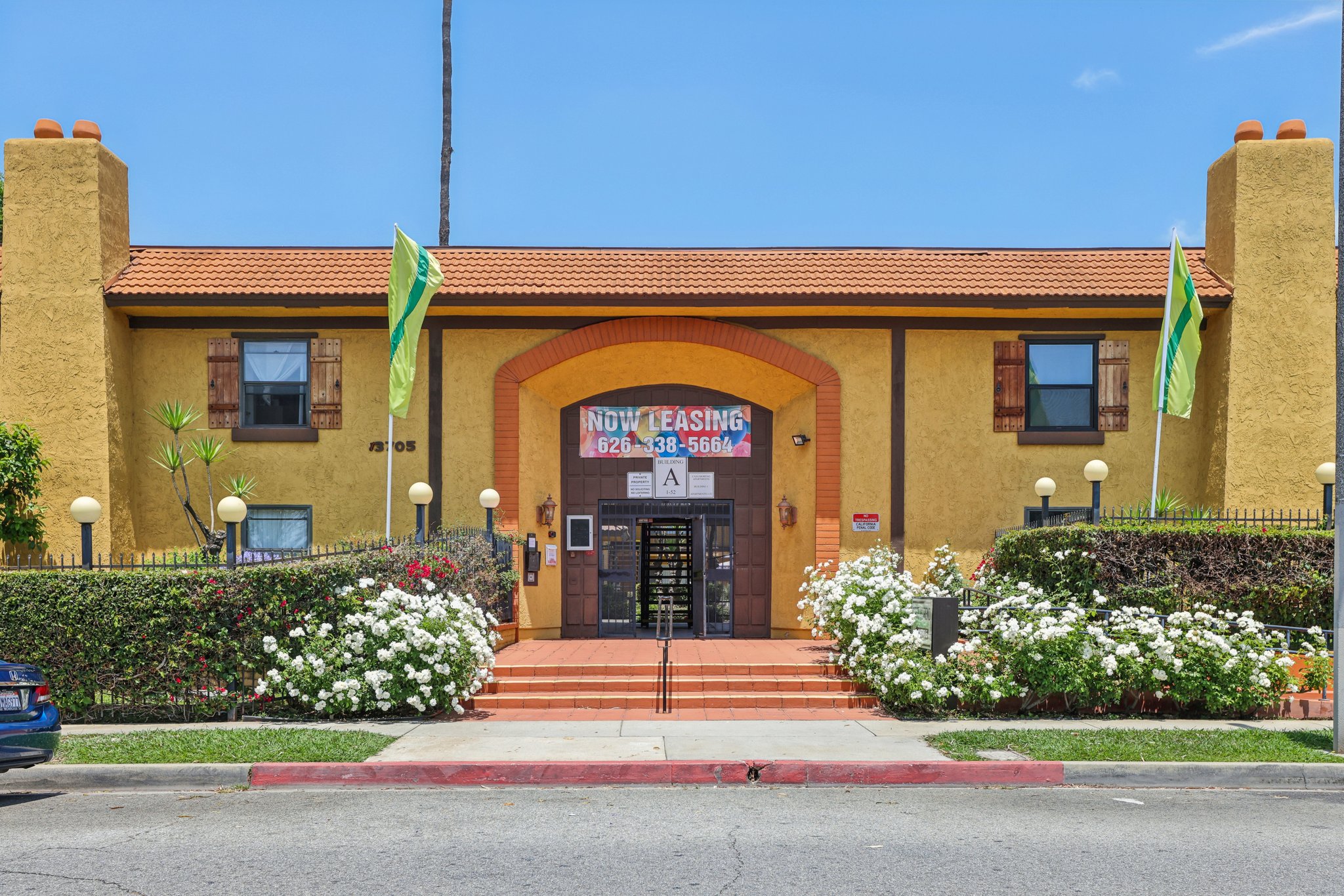
ACP’s advertised leasing-agent role in Anaheim makes the work explicit. It includes tours and applications, but also inspections, move-ins and move-outs, rental records, resident concerns and coordination with property managers. The posting asks for conflict-management skills. That requirement deserves as much attention as the ability to show an apartment: the relationship continues long after the prospective resident says yes.
For an existing tenant, ACP Rent Pay provides a concrete point of access. Residential users are directed to SecureCafe; commercial users have a separate CommercialCafe route. It is a small design choice that acknowledges a larger distinction. The resident paying for a home and the business paying for operating space share a landlord relationship, but their daily needs differ.
The email that moved the objection
In December 2022, correspondence concerning the Westcreek planning amendment captured ACP doing another part of its job. Ben Glabman relayed an ownership-team concern: a proposed change might block visibility. Some of the team wanted the space left open.
Travis McNeil of NexGen Properties responded that the zoning change would not affect site visibility. He also said Big 5 had already approved the site visibility for the planned Denver Mattress development. Glabman then said ACP had no objection and asked for a copy of the approval.
- 01ConcernOwnership worries about visibility.
- 02EvidenceThe developer explains the sightline and cites prior approval.
- 03DecisionACP withdraws its objection and requests the record.
The interesting part is the combination of flexibility and paperwork. ACP changed its position after an explanation, then wanted something it could retain. The lesson travels well beyond real estate: identify the actual objection, answer it with relevant evidence and preserve the basis for the decision.
Four copies before the sign goes up
At Fremont Square Shopping Center in Oxnard, the sign program makes the administrative work visible in a different way. The document names ACP as the contact for landlord approval. Before manufacture and installation, sign plans must be submitted in four copies, including one in color, and receive written approval. The city’s permit request then needs a landlord-signed drawing.
For a tenant, the sequence has an obvious practical implication: settle the approval before spending money on fabrication. A sign is both an individual business’s advertisement and part of a shared building. The document also addresses letter styles, colors and installation details. These are the points where a tenant’s design choices meet the requirements of the property.
ACP’s involvement in local decisions extends to Arizona. A March 2025 planning packet includes Gerrity’s support for an entertainment-use permit at a Chandler restaurant. Taken together, these records show management reaching outside the rent ledger into the permissions and neighboring uses that shape a commercial address.
The price of having someone answer
Property management is a service business with people attached. The Anaheim leasing advertisement offered $22 to $24 an hour and listed benefits including health coverage and a 401(k). That is an advertised wage for one role, not a management quote. It does, however, put a price on one small part of the work surrounding a lease.
A prospective customer can use these examples to make the conversation more specific. An owner can ask who handles approvals, tenant complaints and unusual requests. A renter can ask what is included in the monthly payment and where a maintenance issue goes. A shop operator can ask which changes need written permission before commissioning them.
Service should also be judged where it falls short. At the time of research, BBB showed a B- rating for ACP and cited a failure to respond to one complaint. That is a limited signal, rather than a verdict on every property. It makes response and escalation sensible subjects for a prospective customer to raise.
A useful building is a negotiated building
ACP’s distinctive feature in this record is the range of uses it helps coordinate. The alternatives depend on the assignment: an apartment specialist, a commercial manager or the owner’s own team. A useful comparison starts with the property and the people responsible for it. Breadth alone does not tell a resident how quickly a repair will happen.
The parking-lot arrangement offers an especially clear test. Temporary rental income is attractive only while access, boundaries and the surrounding businesses remain workable. Copying the idea means copying those conditions too. The ordinary details in Gerrity’s letter are the terms that made the relationship worth continuing.
A building can remain in exactly the same place while its demands change every day. Someone wants a sign. Someone questions a sightline. Someone wants to put carnival rides where the cars usually go. ACP’s public record is full of that sort of work: making room for a use, setting its limits and keeping track of what everyone agreed.