An inspector can reach a vehicle, examine it, photograph it, and still be unable to finish the job. The missing ingredient is a decent internet connection. In the account 9series gives of its work for Solvit, an asset inspection business, that ordinary inconvenience becomes the central engineering problem. Images wait. Reports stall. A perfectly good inspection gets stuck between a phone and a server.
- 9series builds custom software, AI systems, and the infrastructure connecting them.
- Its customer work includes inspections, market research, healthcare, and port operations.
- The lesson worth stealing: design around the conditions in which people actually work.
There is another complication. An insurer needs evidence that the photograph belongs to this vehicle, at this location, at this moment. A picture selected from a phone’s gallery is a different proposition. Solvit’s brief therefore involved both convenience and suspicion: make fieldwork easier while making its records harder to misrepresent.
01 / The photograph has to earn its keep
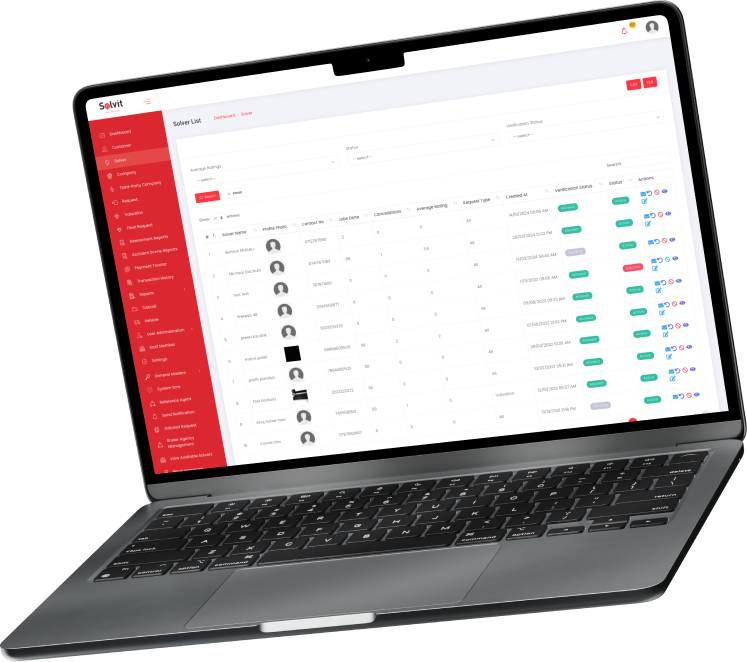
9series describes a location-based assignment system, offline storage, synchronization when connectivity returns, and improvements to image uploads. The application requires on-site capture and adds timestamps and GPS coordinates to watermarked images. The company reports 50% faster matching between inspection requests and available fieldworkers. That figure belongs to its case study.
The interesting detail is the queue. Work can continue while the network cannot. Later, the record catches up. For a buyer considering an engineering partner, this is a useful question to ask of any proposed system: what happens to a completed task when one dependency disappears?
02 / A software business with mud on its shoes
9series sells engineering services. A customer can commission an application, modernize an existing one, build data infrastructure, or bring an embedded team into its development operation. AI agents sit alongside product design, cloud engineering, testing, and integration. The deliverable is usually software built around a particular business.
Its market runs from startups to established enterprises. Named customer stories include Solvit, research technology company Intuify, and drone operations platform CrossChecks. Other published work concerns unnamed healthcare, financial-services, and maritime organizations. These are environments where an attractive interface is only the beginning: someone must maintain records, move data, and keep the operation running.
That places 9series among custom development firms and technology consultancies. Buyers can also hire internally or divide the work between specialists. Its pitch combines those disciplines within one engagement, supplemented by reusable AI frameworks. The distinction is useful when an organization’s problem crosses several systems; its value depends on how well the team understands the handoffs.
03 / The port cannot take the afternoon off
In a maritime project, the company describes replacing three business-critical applications built on a low-code platform. Existing limits on scalability, a tight schedule, and a large migration made the assignment more involved than giving old screens a fresh coat of paint.
The work combined architecture changes, data cleansing and validation, interface redesign, and a mixture of public and private language models. 9series reports 60% faster delivery and 35% fewer defects, alongside uninterrupted operations. Those are company-reported outcomes. The practical point is the sequence: understand the existing applications, establish the new architecture, move the data, then test with users.
- 01 Assess
- 02 Rebuild
- 03 Migrate
- 04 Validate
Intuify presents a different bottleneck. Its survey work required engaging mobile interfaces, multimedia, audience segmentation, and compatibility with existing platforms including Qualtrics. 9series describes prototyping, integration, respondent testing, and refinement. The pattern repeats: a new capability has to fit into an existing working life before it can improve one.
04 / What the buyer actually buys
The commercial arrangements are familiar: fixed price, time and materials, monthly retainers, dedicated teams, and offshore development centers. Clutch lists a $10,000-plus project minimum and an hourly range of $50 to $99. Those directory figures are a starting point for a conversation, not a quote for an AI deployment.
A historical client review supplies a more tangible number. The founder of MyLitBag, an iPad application for lawyers reviewing litigation documents, reported spending about $30,000. The brief began with an application that was not working and included development and AWS integration. The client’s advice was direct: explain the required functions and how the product should behave.
That advice deserves room in the budget. A team buying custom development also needs decisions about acceptance criteria, access to systems, maintenance, and responsibility after launch. A narrow, well-described workflow is easier to evaluate than an ambition to automate everything. Offline storage needs eventual synchronization; an AI knowledge tool needs usable documents and sensible permissions.
05 / The people behind the agents
Co-founders Rajnikant Joshi and Ashwin Vairu come from the company’s longer software development story. In a company-published interview, Joshi put the attraction plainly: “We are passionate about software and its ecosystem.” Today, 9series markets OmniHub for permission-aware knowledge discovery and Omni9 for AI-assisted transformation, alongside demonstrations of banking, document, and manufacturing workflows.
The most useful question comes before the model: where does the work get stuck?Our reading of the customer work
There is a warmer piece of company history. When its Ahmedabad office opened in April 2018, the directors invited their mothers to inaugurate it. Employees decorated the space, and families came to the event. A wall linked ownership of work with responsibilities to health, family, team, and environment.
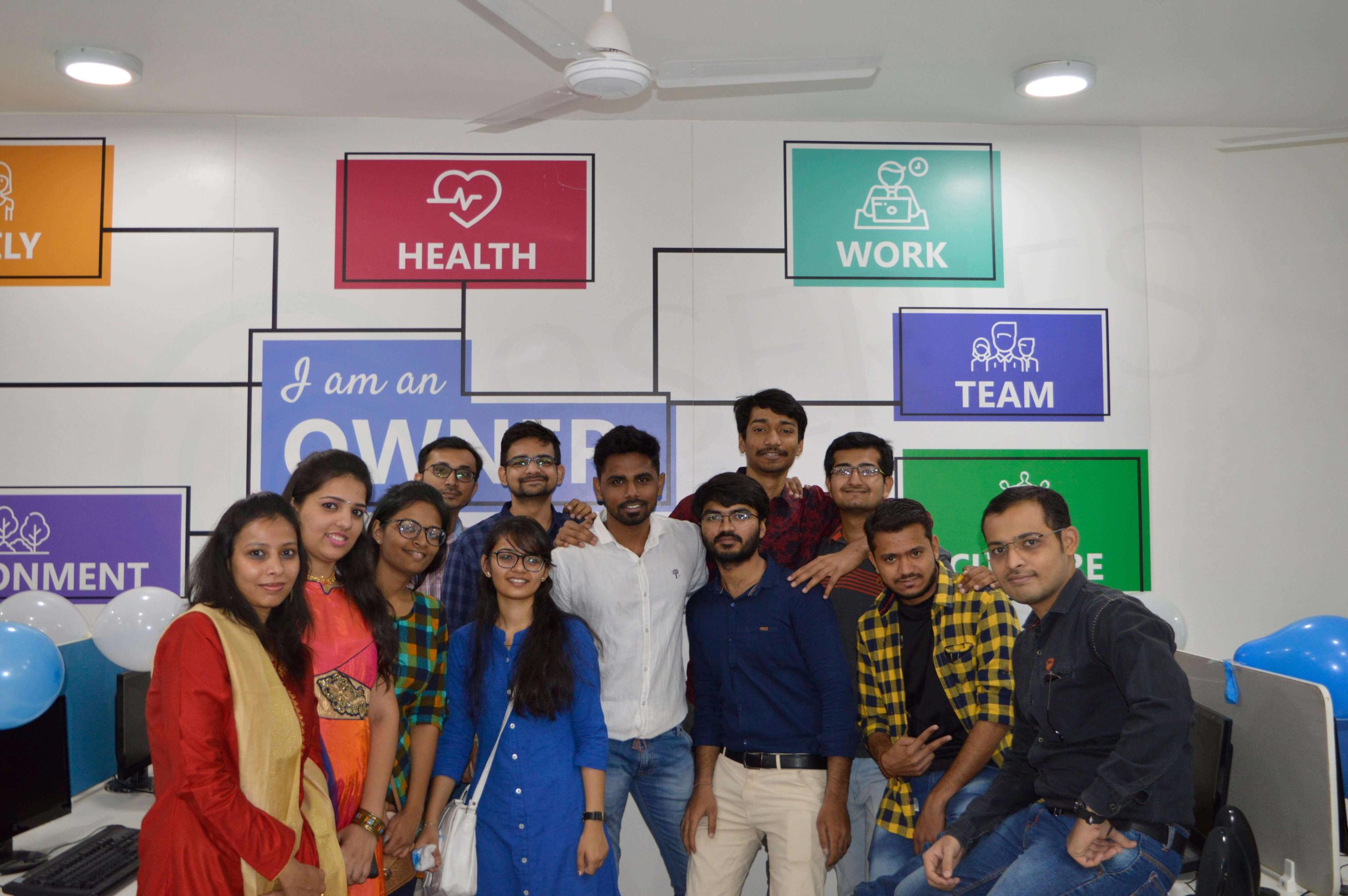
That modest ceremony offers a welcome counterweight to the language of autonomous systems. Behind each workflow are people deciding what counts as finished, trustworthy, and useful. For 9series, the field inspection is a persuasive place to begin: a real task, an unreliable connection, and software expected to get the job home.