The small moment Work Right NW sells is almost aggressively uncinematic. A warehouse employee mentions a tight shoulder. A clinician watches the reach, asks a few questions, suggests a different position and follows up. No ambulance. No dramatic brace. Ideally, no injury report. In a business culture trained to count events, the product is an event that never happens.
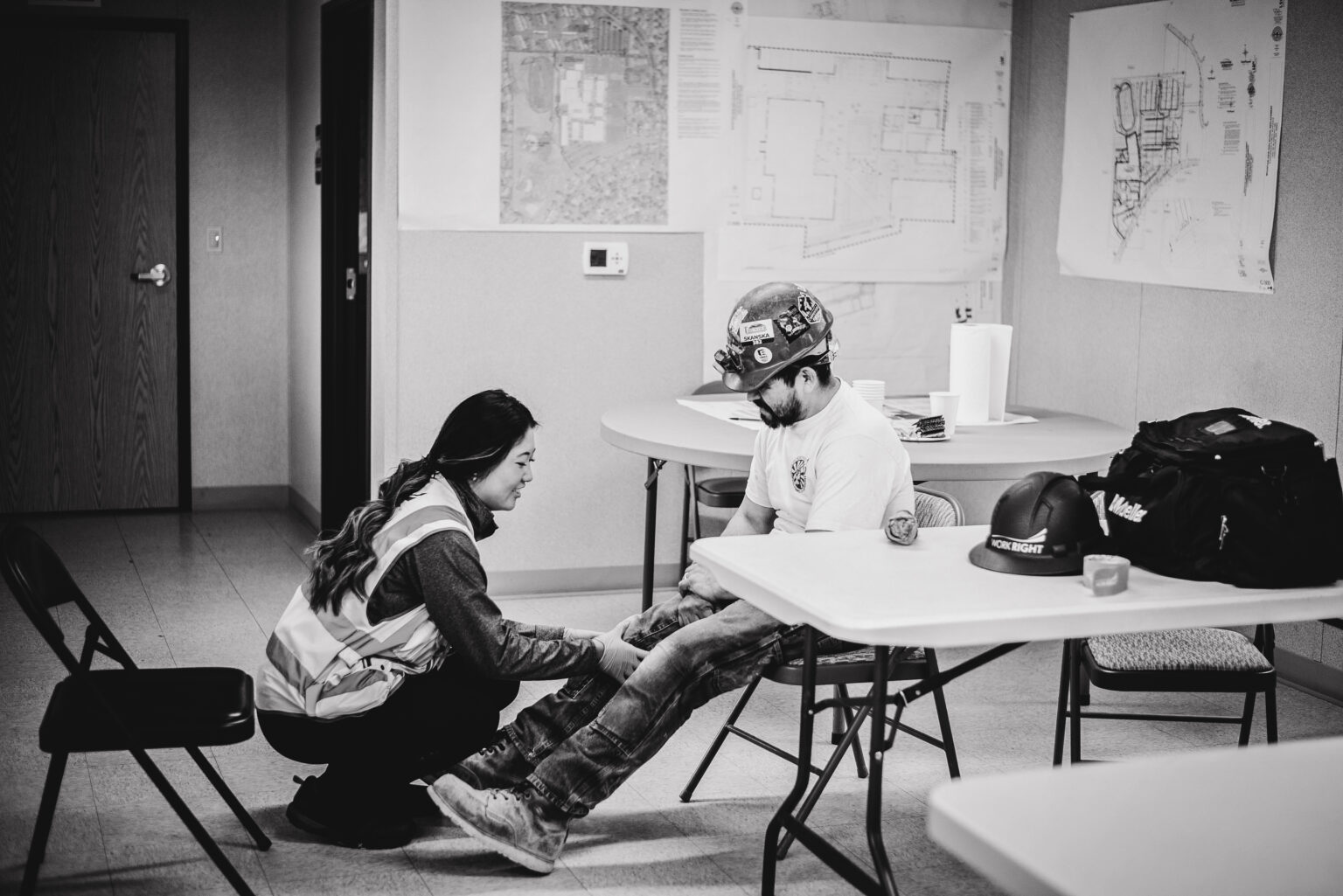
Work Right NW, founded in 2014 by Nic and Mindy Patee in Woodland, Washington, brings sports medicine into industrial workplaces. Its Injury Prevention Specialists include certified athletic trainers and physical therapists who work near production lines, construction sites, warehouses and other physically demanding operations. They conduct floor walks, coach movement, evaluate discomfort, provide permitted first aid, analyze tasks and teach workers how to prepare for and recover from a shift.
The company calls those workers “industrial athletes.” It is a smart bit of framing because it changes the implied standard of care. Nobody tells a professional shortstop to report only after his elbow has become a workers’ compensation case. Athletes warm up, study mechanics, manage load and speak to a trainer when something feels wrong. Work Right argues that the person lifting crates at 5 a.m. deserves the same sequence.
The first thing to fail was the order of operations
Traditional occupational healthcare is often reactive by design. A worker gets hurt, reports the incident, enters a claims process and then meets a clinician away from the task that caused the trouble. By then, the least expensive opportunities may be gone. The sore joint has become a diagnosis; the awkward lift has been repeated another thousand times; the local workaround has hardened into routine.
Work Right reverses that order. Observe the work first. Build enough trust that employees mention discomfort early. Use first aid and coaching within the proper clinical boundaries. Quantify the exposure. Then ask operations to change the job where the data warrants it. The distinction from a conventional wellness vendor is important: this is not mainly a meditation app or a fruit bowl. It is a service embedded in production, aimed at musculoskeletal risk and measured against operational outcomes.
“We shouldn't wait for people to break before we give them access to care.”Nic Patee, co-founder and CEO
What the customer is actually buying
The buyer is usually an employer with a lot of human movement and an expensive downside: manufacturing, construction, distribution, aerospace, food production, transportation, utilities or warehousing. Safety and operations leaders are not buying a consumer subscription. They are buying clinician coverage, training, assessment and a stream of evidence about where risk lives.
Watch the real job
Floor walks and task observation expose the gap between the manual and the movement.
Catch the whisper
Early discomfort can trigger coaching or first aid before it becomes a louder problem.
Reduce exposure
Posture, equipment, workflow and exercise recommendations target the source of risk.
Measure again
Interactions, risk scores and claims trends give managers something inspectable.
Its PREPARED program turns the idea into a shift-long checklist: pre-shift warm-up; review hazards; evaluate equipment; proper lifting posture; align shoulders, hips and toes; remain in the “Green Zone”; keep elbows in and thumbs up; debrief and recuperate. Employers can train internal leaders, run toolbox talks and use multilingual posters and weekly education. A separate 90-day program treats a new hire's first months like a rookie season, building habits and capacity before full-speed repetition makes bad technique expensive.
The business model is contract services, not magic software. Programs can combine embedded clinicians, training, ergonomic analysis, wearable assessments, content and on-demand support. Work Right does not publish a rate card, which makes sense for a service whose cost changes with headcount, shifts, site coverage and clinical hours. Company leaders have publicly argued for month-to-month vendor contracts, engagement-per-hour metrics and transparent analytics. That is a useful standard to steal: if the vendor cannot show where its people spend time and what changed, “injuries avoided” becomes a foggy number.
The scarce ingredient is clinical talent that can operate outside a familiar training room. Work Right recruits licensed athletic trainers and physical therapists, then gives each clinician a one-to-one mentor and a library of industrial ergonomics education. The job requires an unusual mix: clinical judgment, curiosity about machinery, comfort with shift crews and enough diplomacy to suggest that a production habit should change. The company calls the team the Green Team and organizes its culture around service, humility and shared responsibility. That culture is operational, not decorative. An isolated clinician represents the brand alone at a customer site, sometimes states away from headquarters. If that person cannot win trust from both a skeptical worker and a metrics-minded safety director, the integrated platform is merely a collection of tools.
The wearable is the receipt
Work Right's technology is most persuasive when it behaves as evidence, not theater. Its assessments use sensors and computer vision to quantify movement demands, categorize risk and compare scores before and after a control. In one Washington Department of Labor & Industries-supported project, Work Right joined Chilton Logging and dorsaVi to study 17 volunteer loggers during ordinary workdays over 15 months. The setting mattered. Logging does not arrange itself like an ergonomic laboratory.
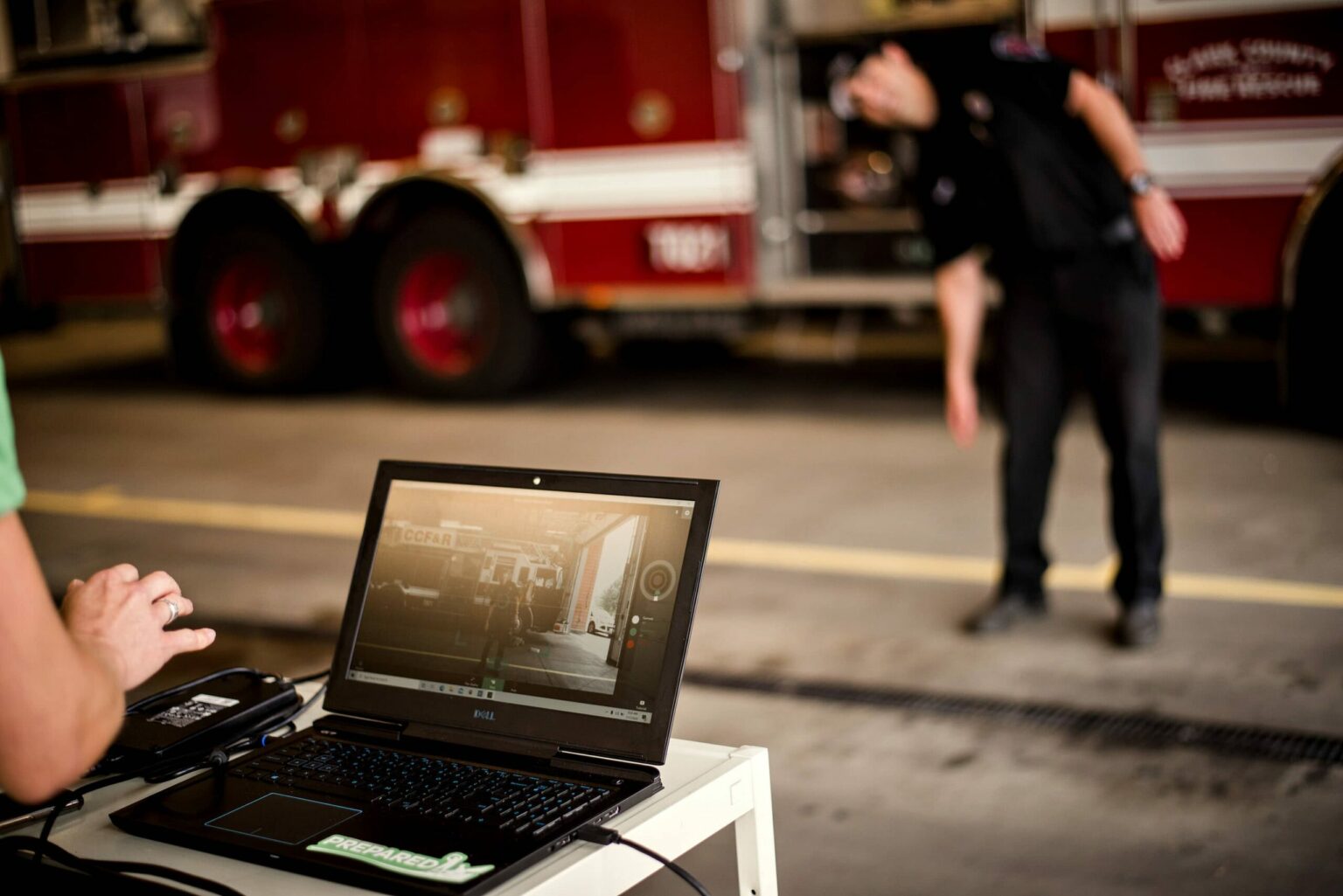
That combination separates Work Right from two narrower alternatives. A clinic can treat the body but may never see the lift. A wearable platform can score the lift but may not earn a worker's confidence or guide the next conversation. Work Right's pitch is the integrated loop: skilled human, real task, objective signal and follow-up. Competitors span onsite-health providers, internal ergonomics teams and sensor companies. The company sits between occupational health, industrial safety, workforce training and performance analytics.
Customers changed the partnership plan
In 2023, Work Right and Medcor announced an exclusive partnership joining Work Right's injury-prevention specialists with Medcor's onsite clinics and telehealth triage. The origin is more instructive than a polished synergy slide. The companies said mutual clients already valued both services and wanted a connected experience. Customer behavior, not a grand strategy exercise, changed their minds.
The result offers a continuum: prevention on the floor, treatment at the onsite clinic and triage when needed. Data and follow-up can travel with the worker instead of disappearing at the border between vendors. Work Right also partners with Superfeet on foot-support resources and discounts. Public records and customer documents connect its work to organizations including Tesla, Oregon Tool, Flynn Roofing and Chilton Logging, though the scope varies by site and project.
Oregon Tool's 2024 ESG report offers a particularly copyable detail. With Work Right's support, the company trained 51 PREPARED Champions to lead a daily stretching and movement routine. That is how a service becomes a system: the outside expert does not hoard the ritual. It teaches internal people to repeat it when the consultant is elsewhere.
What to copy - and when not to bother
A plant manager can steal the operating principles without pretending to become a physical therapist. Put observation where work occurs. Create a low-friction channel for early discomfort. Track proactive contacts, not only injuries. Reassess a task after changing it. Give shift leaders a short, memorable routine. Most important, separate treatment incentives from prevention metrics and ask whether the program spends its hours on the floor or waiting in an office.
Good conditions
High physical exposure, repeatable tasks, credible baseline data, trusted clinicians, visible leadership and managers willing to alter equipment or workflow.
Poor conditions
Low-risk desk work, a punitive reporting culture, no floor access, vanity dashboards, transient coverage or recommendations that operations routinely ignores.
This model will not work merely because an athletic trainer is present. If workers believe every conversation will be used against them, they will stay quiet. If the clinician is trapped in a wellness room, the program becomes reactive with greener branding. If management refuses to change a rack height, tool or takt time, coaching asks the body to compensate forever. And if the site cannot establish a credible baseline, a claimed reduction may be impossible to distinguish from ordinary variation.
There is also a category limit. Onsite prevention is easiest to justify where musculoskeletal exposure is frequent, headcount is concentrated and the cost of disruption is high. A distributed team of low-risk knowledge workers may be better served by conventional ergonomics and healthcare benefits. Work Right's sweet spot is the place where bodies are part of the production system and small problems repeat at scale.
The company's deeper insight is pleasantly unglamorous. Industrial safety does not always need another warning after failure. Sometimes it needs a competent person nearby before failure, watching the actual job and asking the worker how Tuesday's shoulder feels. The absence of drama is the payoff.