In late 2011, Becky Robinson had what sounded like a sensible plan. She would be a solo consultant. She had learned social media by doing it - first through a leadership blog, then while building an online presence for a university, and later as the social media marketing director for a leadership consultant. Her first assignment there was to promote his newest book. There was a niche. There were clients. There was only one problem: the clients did not merely want ideas.
Within weeks, Robinson realized they needed someone to carry those ideas through. A launch strategy could specify the podcast pitches, review campaign, graphics, emails, event, website, and Amazon details. It could not send a single follow-up. So in early 2012 she began recruiting virtual subcontractors. The supposedly solo practice became Weaving Influence, a distributed team built around a modest but durable insight: in book marketing, the distance between advice and execution is the whole business.
“My clients needed more than my creative ideas and energy - they needed execution of the strategies I recommended.”Becky Robinson, founder and CEO

A launch is a temporary company
The customer is usually a nonfiction author whose book is also a professional instrument: an executive explaining a management idea, a consultant naming a method, a coach turning years of experience into a portable argument. The book needs readers, naturally. It may also need to open doors to speeches, clients, workshops, media appearances, and a larger email list. A traditional publisher may handle production and distribution while expecting the author to bring an audience. A freelance publicist may chase coverage. An ad specialist may tune bids. Weaving Influence attempts to connect the pieces.
- Position the book and define the audience
- Mobilize a network for orders and reviews
- Create media, events, email, and social proof
- Keep the author visible after launch week
Its menu reflects that orchestration. There is strategic consulting, publicity, social and email marketing, author websites, Amazon advertising, launch teams, review campaigns, webinars, virtual parties, book-award submissions, and publishing support. A staff list that includes strategists, designers, editors, web specialists, publicity staff, an audio-video editor, and an office assistant responsible for shipping and fulfillment says more than an agency slogan could. Digital influence still involves getting physical books into physical hands.
The numbers belong to one campaign, not a miracle
For The Psychological Safety Playbook, authors Karolin Helbig and Minette Norman worked with the agency on a launch team, collateral, public relations, online events, and continued audience-building. The published case study reports a 250-person launch team, more than 100 global reviews in the first month, more than 30 media wins during three months of pitching, and over 13,000 copies sold in the first year. Those figures should not be mistaken for a universal promise. They are useful because they show how several ordinary mechanisms can reinforce one another.
The Mark Miller campaign offers a second pattern. For Culture Rules, the company combined pre-launch planning, organic and paid reach, a virtual launch party, and the network accumulated across an eleven-book relationship. Its case study records 5,594 pre-order and bulk sales, at least 88 reviews in the first 30 days, and placement on multiple bestseller lists. The interesting number is not merely the sales total. It is eleven. Repeat work allowed the team to learn the author's audience instead of rebuilding the relationship every launch.
Those three figures come from another long relationship, with leadership blogger Bob Tiede: an email list that grew from 2,300 to nearly 13,000, more than 30,000 LinkedIn followers, and about 16,000 monthly blog visitors. It is the opposite of a launch-day firework. The company's vocabulary for this is four commitments - value, consistency, generosity, and longevity. There is nothing algorithmically magical about them. That is precisely the appeal.


The visible price and the hidden cost
The company publishes one unusually helpful number: $3,000 for a strategic consultation of up to five hours, including a custom strategy, launch timeline, toolkit, and individualized promotional ideas. Training and smaller products sit below it, including a $1,500 Amazon advertising training and a $499.99 accelerator course. Full launch packages are customized, which makes sense: editing an Amazon profile is not the same job as running publicity, a webinar, a launch team, and months of content.
The public strategy price.
Up to five hours, a custom roadmap, planning tools, and promotion ideas. Execution is a separate, larger decision.
The hidden cost is participation. Authors still need to show up, ask their network for help, supply ideas, approve material, appear on podcasts, write useful posts, and continue after the applause fades. Paid ads cannot rescue weak positioning. A launch team cannot be conjured from relationships an author never tended. And a business-book playbook designed for experts with a message is not automatically the right instrument for a mass-market novelist seeking a sudden consumer hit.
What a reader can copy
Start earlier than launch month. Give a network something useful before asking for a review. Concentrate sales and outreach without treating one ranking as the finish line. Build an owned home base - website and email - then use social platforms to lead people there. Most of all, assign names and deadlines to execution. A strategy with no operator is a document, not a campaign.
The agency becomes a press
In November 2025, Weaving Influence moved upstream. Its new hybrid imprint, Weaving Influence Press, combines editing, proofreading, cover and interior design, typesetting, production preparation, and the marketing work the agency already knew. Authors keep more ownership and control than in a conventional publishing arrangement while paying for a selective professional service. The positioning is blunt: production and audience-building should not meet for the first time when finished books arrive.
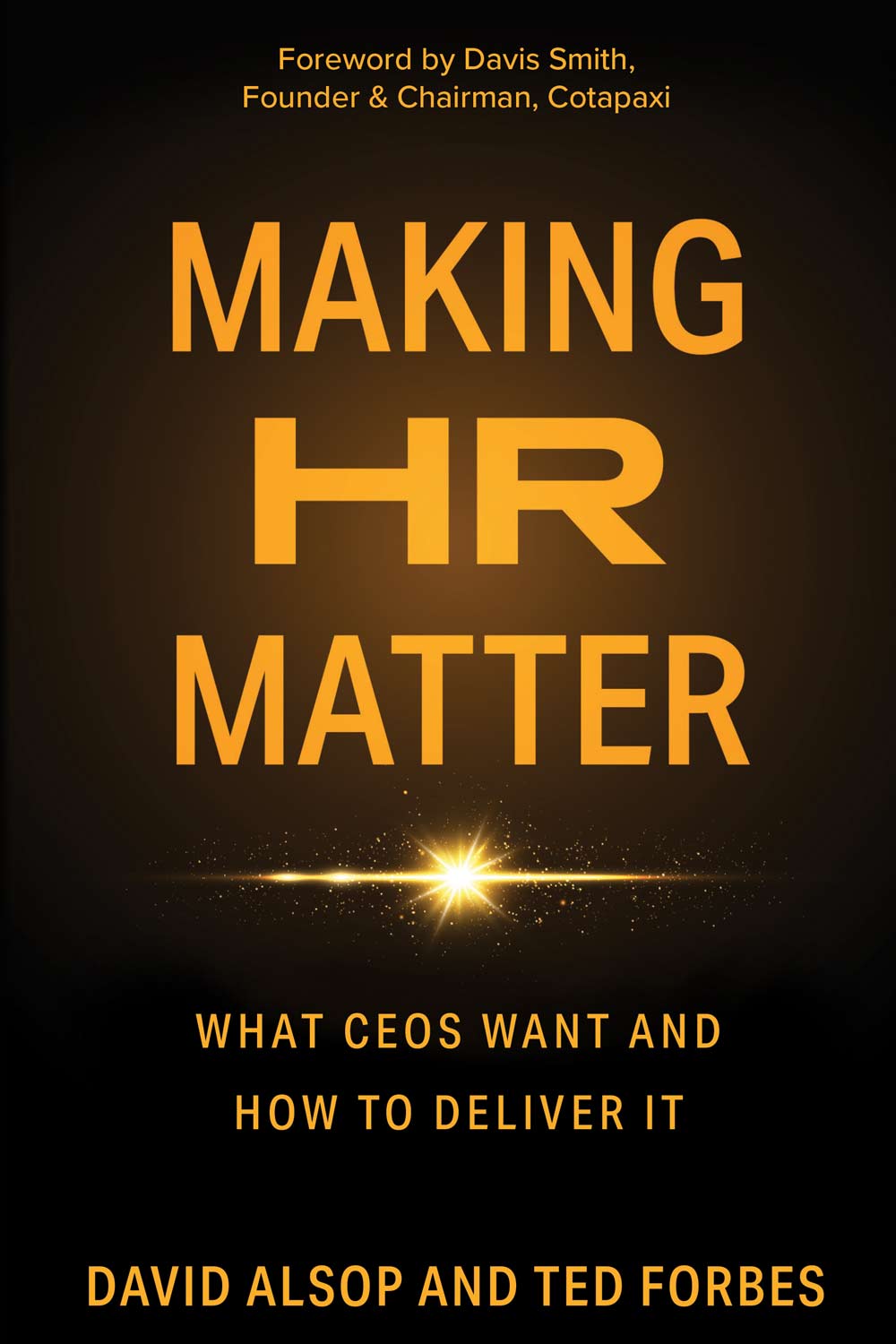
By September 2026, the press listed its first three books as available. The move places Weaving Influence between several familiar alternatives: book publicists who specialize in earned media, hybrid publishers that lead with production, freelancers assembled by the author, and the limited launch support of many traditional houses. Its distinction is continuity. The same organization can help shape the book, build the website, gather the launch team, pitch the media, run the ads, and keep the author visible afterward.
That breadth can be an advantage when every piece needs to speak in one voice. It is less compelling for an author who needs only a narrow task, already has an experienced internal team, or expects the agency to manufacture an audience without sustained effort. Weaving Influence's strongest evidence comes from clients who stayed involved and stayed for years. The company did not eliminate the work of building influence. It made the work legible, assigned it, and kept going.