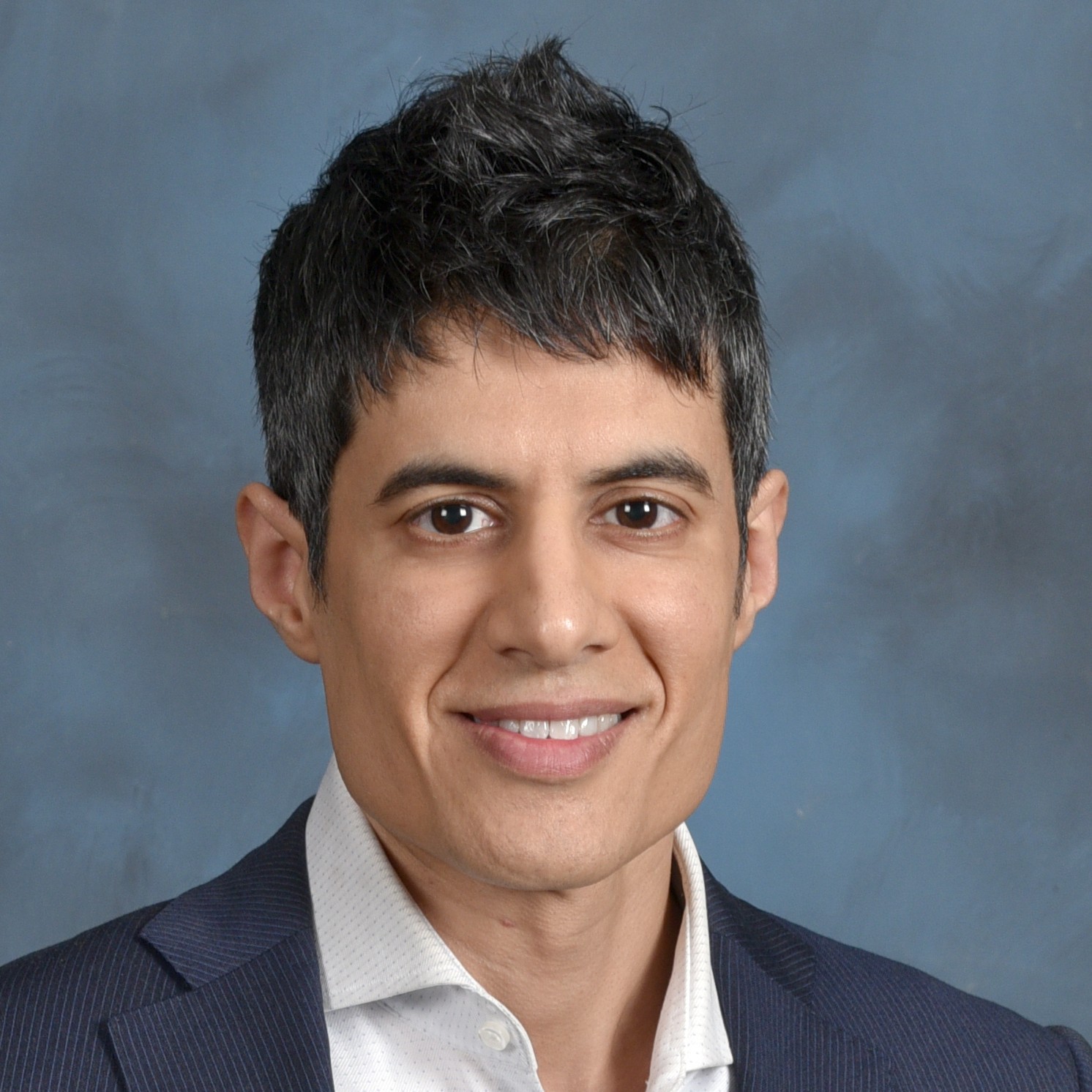
The most ambitious idea in tech is sitting in the bathroom.
Vik Kashyap runs Toi Labs, the San Francisco company behind TrueLoo - a sensor-equipped toilet seat that snaps onto an ordinary toilet and turns a private moment into a stream of quiet, useful data for the people who care for older adults.
Most founders chase the glamorous edges of technology. Kashyap walked in the opposite direction. The product he is best known for is a seat. It retrofits onto hardware that has barely changed in a century, recognizes who is using it, and hands caregivers in senior-living communities a signal they never had before - without asking the resident to wear anything, charge anything, or remember anything.
That last part is the whole point. The genius of TrueLoo is not that it is clever. It is that it is invisible. The resident does nothing. The seat does the noticing. In a category obsessed with wearables and apps that demand attention, Kashyap built the rare device that succeeds by disappearing into the furniture.
In October 2024, TIME put TrueLoo on its annual Best Inventions list. The recognition landed on an object most people would rather not mention at dinner. Kashyap has spent years being comfortable with exactly that gap - between how unglamorous the form factor looks and how serious the platform underneath it is.
The best ideas tend to hide in the places nobody wants to look.
A platform disguised as plumbing.
TrueLoo is deliberately humble on the outside and dense on the inside. It installs in minutes onto an existing toilet, no contractor required. It identifies the user through physiological cues or a paired phone. Then optical sensors do the work, generating a passive record that care staff can review through automated reports rather than guesswork.
For a senior-living operator, the value is in what gets caught early. A pattern that shifts. A change worth a second look. Staff who are stretched thin get a nudge instead of a surprise. The pitch Kashyap makes to operators is unsentimental: fewer emergencies, longer length of stay, residents who keep their independence and their dignity. The seat is the sensor. The reports are the product.
It is the kind of company that only makes sense if the founder is willing to be patient and slightly contrarian. Hardware is hard. Senior care is conservative. Bathrooms are private. Kashyap took on all three constraints at once, which is either reckless or the entire moat, depending on the day.
Why operators say yes
He was building unglamorous things long before this one.
Kashyap is a Harvard graduate who stacked electrical-engineering coursework at MIT and UC Berkeley on top of his degree - a tell for someone who would later want to build hardware, not just spreadsheets about it. His first stop was venture capital. From 1998, he worked as an associate at Battery Ventures, helping execute investments out of a roughly billion-dollar technology fund. He learned how companies get built by watching a lot of them try.
In 2004 he stopped watching. He founded Canopy, a consumer-directed healthcare software company, and built one of the first online health savings accounts. He signed Fortune 500 clients - Wells Fargo, Blue Cross Blue Shield, Coventry Health among them - and grew the company past 120 employees and into real recurring revenue. Aetna acquired it. CVS later folded Aetna in. The exit gave him the credibility, and the patience, to attempt something stranger next.
Around 2014 he took a detour most founders never would: he advised a major Japanese software company and moved to Tokyo for about a year. Then he came home and pointed all of it - the engineering, the healthcare commercialization, the venture eye - at a fixture nobody else thought was interesting.
Sell a company to Aetna. Then go reinvent the seat.
A track record measured in patents, not press.
Across his ventures, Kashyap reports having raised roughly $110 million, generated more than 150 jobs, and accumulated about 10 patents. His name appears in research published in Science Translational Medicine in 2010, the product of a collaboration with scientists at UCSF. He has been quoted or cited by The Wall Street Journal, CNN, and The New York Times. He has been a finalist for Ernst & Young's Entrepreneur of the Year in Northern California.
None of those lines, on their own, explain him. Put together, they describe a builder who keeps choosing the boring, technically hard problem over the flashy, crowded one - and keeps getting validated for it. TrueLoo is now deployed in more than 50 senior-living communities and counting. The press finally caught up in 2024. The work started years earlier, in a category most people would rather not name.
Where to follow Vik Kashyap.
Profile compiled from public sources. Figures are self-reported or as published; treated as illustrative where noted.