For a while, Trapit had the sort of problem founders are supposed to envy: people used its free product. A great many people. The company said more than 10 million had tried its personalized reading app by the end of 2014. The app hunted down articles on whatever subject interested you. It could remember that one reader's idea of “big data” meant Hadoop, while another's meant cloud infrastructure. Then the founders closed it.
That sounds like a peculiar way to reward an audience. Yet the trouble was hiding in a question from prospective business customers: “Why am I paying if I can get it for free?” Trapit was selling a much more elaborate tool to marketers and publishers. The free reader made the paid one harder to explain. In a candid account of the decision, co-founder Gary Griffiths said the consumer product had been a test bed and a way to learn where the business might be. When it had served that purpose, the company chose the customer who needed controls, delivery, and measurement.
- Trapit used AI to find articles and videos around a topic, then let people judge what deserved an audience.
- Its buyers moved from publishers to marketing and sales teams; employees became the last step in distribution.
- The free app created pricing confusion. A merger with Addvocate supplied the sharing half of the workflow.
- The lesson: a useful recommendation is only valuable if someone trusts it enough to pass it on.
A reader with a long memory
Trapit grew out of SRI International's artificial intelligence work, in the same research lineage as Siri. The family resemblance was useful for introductions, but the products had different jobs. Siri took a question and tried to answer it. Trapit took an interest and kept looking. A user made a “trap” around a subject, and the software assembled a stream of related material from vetted sources. Feedback taught it which finds were worth repeating.
This was a more exacting promise than subscribing to a few RSS feeds. A feed follows a publication. A trap followed a subject, wherever it appeared, and adjusted to the person reading. The first version was rough. Griffiths later said results that looked convincing in the lab faltered on the open web: duplicates, ambiguous terms, search spam, and stray images all needed fixing. Real readers became a brutal, useful test. At launch in 2011, the service drew from roughly 50,000 screened sources. By early 2012, the company reported more than 2.5 million users since launch and four million articles delivered each day. Those numbers showed appetite for discovery; they did not, by themselves, settle who would pay for it.
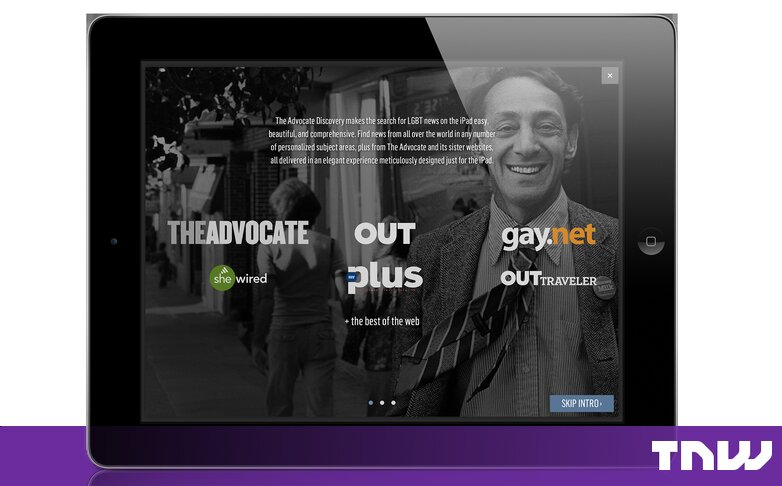
The first clear commercial answer came from media. In 2012, Malaysian broadcaster Astro became a paying customer and invested $1.9 million. In 2013, Trapit introduced Publisher Suite, giving publishers and brands a way to build personalized reading experiences from their own work and outside material. Here Media used it for an Advocate Discovery app. Zeebox later embedded Trapit's recommendation technology through an API. These were ways of selling the engine without asking a reader to buy the reader.
The machine found it. Who would share it?
By September 2013, Trapit had a Content Curation Center for marketers. The name was clumsy, though the problem was plain. A marketing team needed a steady supply of relevant material, could not write every article itself, and had to deliver what it found across websites, newsletters, and social accounts. Trapit's engine did the heavy scanning. Human curators made the last decision.
That last decision mattered. A story could be on topic and still be wrong for a particular audience. It might praise a competitor, address a market the company never served, or strike precisely the tone an employee would refuse to use. Griffiths described this as “assisted curation”: software produced a manageable pool; a person chose the pieces that fit. The distinction is less glamorous than replacing the editor with a robot, and far more useful.
“You are not the crowd.”
In 2014, Trapit rebuilt the business product with a simpler interface, analytics, and video discovery. Customer conversations had exposed video as a neglected part of the job. These improvements also widened the gap between a free personalized reader and a paid business workflow. The paid version offered advanced filters, image and headline control, delivery choices, and automation. In the founder's telling, keeping both products alive muddled the reason to buy either one.

A merger for the missing last mile
The next problem was distribution. Finding a good article does little if it waits unread in a corporate library. Addvocate had built software to help employees share material through their own social networks. Trapit had the discovery and curation engine. In December 2014, the two companies announced a merger and the first closing of a $10 million Series B led by Rogers Venture Partners. Griffiths said customers had complained about buying several tools to complete one content workflow. The merger gave that complaint a product answer.
The combined product launched in April 2015, after Henry Nothhaft Jr. became CEO and the company kept the Trapit name. Curators created topic traps and selected stories for colleagues. Employees received suggestions on the web, in an iOS app, or by email digest. They could change the wording and schedule posts through the day. Managers received reporting. It was cloud subscription software aimed at marketing, sales, and communications teams; public price lists were not part of the pitch.
Trapit's company profile listed IBM, GoDaddy, MarkLogic, Microsoft, and New York Life among its customers. The earlier media relationships showed the technology could travel beyond a sales team. But the 2015 version had a sharper place in the market: employee advocacy platforms such as SocialChorus and Dynamic Signal could move posts through a workforce; content curation tools could find material; Trapit wanted to connect the two jobs. LinkedIn was also moving into employee sharing. The company argued that a better supply of outside stories would make its product different.
“The term ‘authenticity’ is losing its authenticity.”
That remark catches the awkward truth in the business. A company can offer a salesperson a relevant article and a suggested line. It cannot make the line sound like that salesperson believes it. If every employee publishes the same message, a thousand accounts create one voice with a thousand passwords. Trapit's answer was to let advocates personalize recommendations, while its curators supplied better raw material than the latest company white paper. The approach needs willing employees, enough credible external material, and a manager who values useful conversations more than a high share count.
The copyable part
There is a practical sequence here for any team drowning in content. First, collect material around the questions customers actually ask, not just around the products you sell. Screen the sources. Have a human choose what fits each audience. Offer staff a small, useful selection and permission to write in their own voices. Then measure which stories start conversations, rather than celebrating the number of scheduled posts. None of that requires Trapit's original algorithm. Its value lay in making the sequence manageable at scale.
The sequence also has limits. In a narrow market with little reliable outside reporting, discovery produces thin pickings. In a tightly regulated business, an approval step may be essential. And where employees have no interest in posting, a content library is merely a more organized silence. Trapit did not solve those human problems with a recommendation engine. Its most useful idea was to give the engine a defined role, and leave the judgment to the people whose names would appear beside the story.