A tractor can look splendid on a phone. The paint shines, the horsepower is reassuring and the price sits neatly beside a photograph. Buying it raises less photogenic questions. What condition is it really in? Who will handle the paperwork? And where will the money come from? Tractor Junction has built an increasingly substantial business by following those questions beyond the screen.
The Alwar company helps Indian farmers compare machinery, find dealers and buy or sell used tractors. It also operates physical sales centres and a financing platform, FINJ. In August 2026, it announced that subsidiary Dhanrise Finance had received an RBI licence to operate as a non-banking financial company. Direct lending is scheduled to begin in October. A business that helped people look at tractors is preparing to put more of its own financial machinery behind the purchase.
A family business supplies the question
Rajat Gupta knew the trade from his family’s tractor dealership. Shivani Gupta came from an agricultural trading family. In a 2019 interview with AgFunderNews, Rajat traced the venture to 2016 and the lack of dependable price information. These were founders with proximity to a particular transaction: a farmer trying to buy an expensive working machine without a clear view of the alternatives.
The early operation ran from a bedroom before the first office opened in February 2018. The company’s current history starts in 2018, while contemporary accounts describe the earlier website. That distinction matters less to the business than the insight underneath it. Car buyers had comparison sites. Tractor buyers could use the same convenience, provided somebody understood the equipment and the local trade.
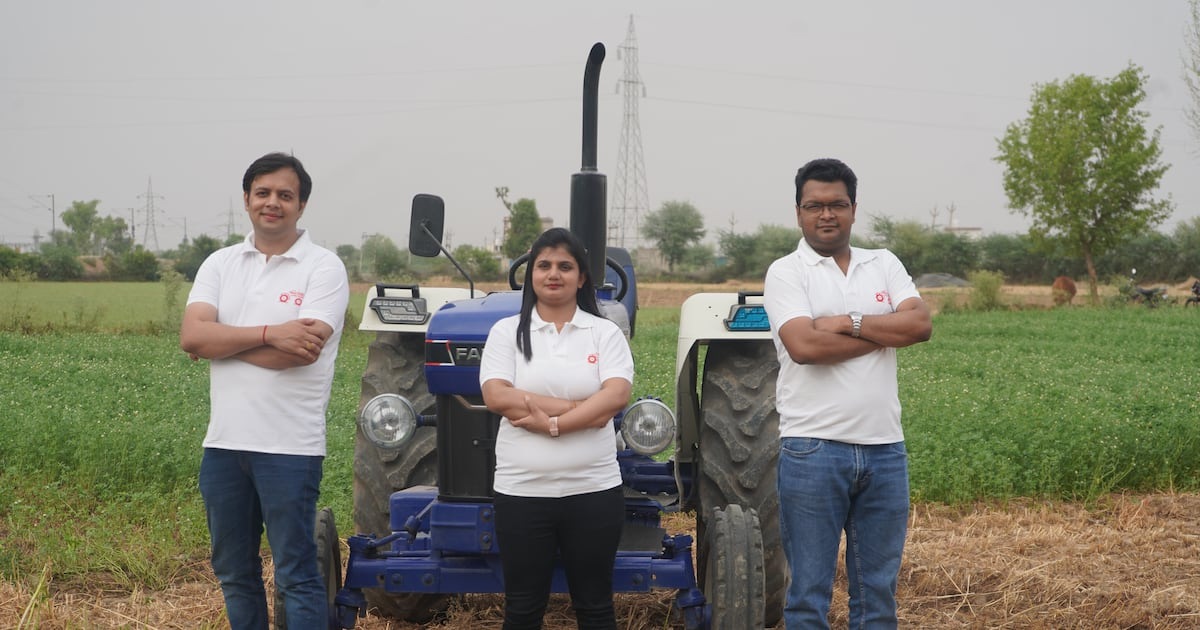
The price tag was the beginning
Open Tractor Junction today and the catalogue resembles a specialist motoring publication with a sales desk attached. There are new models, used listings, brand pages, specifications, comparisons, reviews, news and videos. The equipment extends to harvesters, implements and tyres. A farmer can move from browsing a familiar brand to comparing machines and locating a dealer without starting the search again.
Its usefulness lies in the detail. Horsepower is one filter; lifting capacity, transmission, power take-off specifications and equipment compatibility help make the shortlist more meaningful. The site offers EMI tools as well. For a prospective buyer, the sensible sequence is to narrow the options online, establish local availability and then examine the machine and the complete offer. A listing price starts a conversation; it cannot describe every purchase condition.
The Android app takes that catalogue onto the device a buyer can carry to a dealership. Reviews also reveal the everyday work of maintaining a marketplace. In 2021, users asked for favourites and better handling of sold listings. Those requests are wonderfully unglamorous. Remembering a promising tractor and knowing whether it is still for sale are basic parts of making comparison useful.
- 01ComparePrice + specifications
- 02InspectCondition + suitability
- 03FinanceEligibility + terms
- 04BuyPayment + paperwork
The showroom makes its comeback
Physical sales are central to the company’s proposition. In a November 2025 AgNavigator interview, COO and co-founder Animesh Agarwal explained that even urban consumers are reluctant to buy expensive vehicles without inspecting them. Expecting rural buyers to dispense with that reassurance made little sense. The showroom was a response to the purchase itself.
The same interview laid out three businesses: dealer leads, used-tractor distribution and financing. Rajat said roughly 70 percent of its used-tractor sales involved finance. That helps explain why the company kept expanding the transaction it handled. Finding a customer did not finish the job. Establishing trust in a particular machine still left the question of how to pay for it.
The live showroom directory now lists locations across Rajasthan, Madhya Pradesh, Maharashtra, Chhattisgarh, Gujarat and Telangana. The footprint is uneven: Rajasthan and Madhya Pradesh have many more listed centres than Telangana. For a buyer, that geography is consequential. The website travels everywhere an internet connection reaches; physical inspection and local assistance require a reachable location.
“So the idea was pretty simple: let’s bring price and information transparency into the ecosystem”Rajat Gupta · AgNavigator interview · November 2025
The first friction was ordinary
Early trouble was less cinematic than a failed launch. YourStory’s 2019 reporting described scalability problems with initial software tools and the painstaking work of keeping the information database accurate. Dealers accustomed to mechanics and salespeople needed persuading. Rajat attributed their eventual participation to repeated engagement and declining showroom footfall. The technology needed attention; so did the people expected to use it.
The same report put bootstrap capital at about $200,000. Open-source software helped contain costs, while some specialist work was later outsourced. That is a useful corrective to the bedroom origin story. Starting small still involved money, industry knowledge and sustained maintenance. For another founder, the transferable lesson is to make one costly decision easier, then watch precisely where the customer gets stuck.
Credit becomes a business of its own
FINJ launched in January 2024. By November 2025, the company reported nearly ₹1,500 crore in loans facilitated through 25 lending partners. Investor Rockstart described financing as a growing part of the operation. Loan disbursement is money moving to borrowers, however, and should never be mistaken for Tractor Junction’s revenue. The scale measures a different part of the business.
FINJ’s used-tractor page combines eligibility information, a repayment calculator and help with ownership-transfer documentation. Its partner roster includes banks and non-bank lenders. The companion partner app manages vehicle-loan leads; its published update notes describe DigiLocker-based verification. The product extends behind the customer-facing application into the work of agents and distribution partners who get a loan request ready.
For customers, this can reduce the number of disconnected conversations surrounding a purchase. It cannot make every applicant eligible or every tractor affordable. The lender’s terms, the buyer’s income and the specific vehicle still matter. A calculator illustrates a repayment schedule; the actual offer determines the obligation. Bringing credit closer to the showroom is useful only if the resulting purchase remains workable for the buyer.
₹200 crore buys a larger ambition
In April 2022, Tractor Junction raised a $5.7 million seed round co-led by Info Edge Ventures and Omnivore, with existing investors and individual backers participating. The announced uses were concrete: hiring, financial services and physical stores for used-tractor transactions. The expansion had an operating bill as well as a software bill.
In November 2025 came approximately ₹200 crore of Series A financing led by Astanor, alongside Info Edge Ventures and Omnivore. Reports put the package around $22 million to $22.6 million, comprising about $17 million in equity and the balance in debt. Those are parts of one financing package. The money was intended to strengthen technology, expand geographical coverage and grow financing services.
Funding raised, not sales or valuation. Dollar totals vary with reporting and conversion.
Expansion has not meant an uninterrupted march of profits. November 2025 financial coverage put the FY25 net loss at approximately ₹9.1 crore, compared with roughly ₹3.7 crore a year earlier. In its 2026 Dhanrise announcement, the company reported FY26 revenue of ₹198.4 crore. Growth is evident in that company-reported figure; revenue alone does not settle whether the expanded operation earns satisfactory returns.
A tractor site with several neighbours
The group’s other businesses explain its preferred direction of travel. Truck Junction covers commercial vehicles, Bike Junction covers two-wheelers and Infra Junction covers construction equipment. Car Junction adds another vehicle category. These are adjacent purchases with their own specifications, distribution networks and financing needs. The company is extending its knowledge of vehicle discovery and transactions beyond a single kind of machine.
It also bought Tractor Guru in 2021. At the time, the acquisition announcement said both sites would continue independently, with shared opportunities in technology and content. Tractor Guru therefore belongs inside the group story. Independent alternatives include KhetiGaadi, Tractor Factory and CarDekho-owned TractorsDekho, alongside the local dealer or broker a buyer already knows. Tractor Junction’s distinguishing combination is its content, sales network and financing distribution, rather than any single comparison feature.
There is even an awards night. Tractor Junction launched the Indian Tractor of the Year awards, ITOTY, in Delhi in 2019, giving manufacturers and farm implements their own occasion for trophies and industry discussion. This is a company that publishes tractor information, sends customers towards machinery and convenes the people who make it.
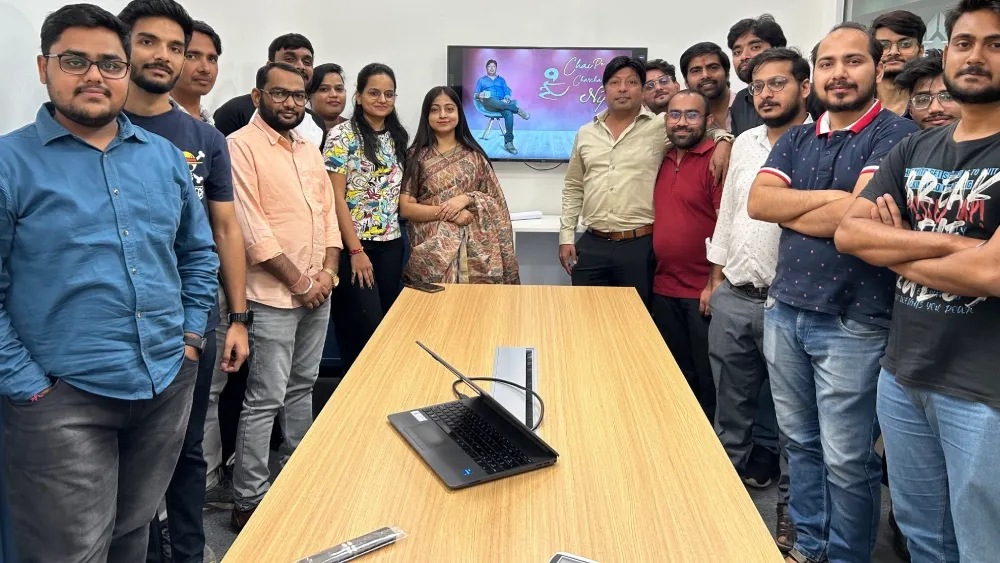
Its public values include ownership, dignity and the admirably plain “Every Rupee Counts”. Careers listings emphasise sales experience, customer relationships and work across local markets. Together they suggest the operating demands of the business: building an audience is one job; helping people transact across a dispersed physical network is another.
October brings a different test
Dhanrise Finance is the next step. The company says its newly licensed subsidiary will begin lending in Rajasthan and Madhya Pradesh in October 2026, targeting ₹100 crore of disbursements over its first 24 months. That is a plan, not a completed lending record. It moves the group further into the financial side of used-tractor ownership.
The broader lesson comes with practical conditions. This model needs enough local transactions to support physical operations, reliable information about vehicles and borrowers, and customers for whom ownership makes economic sense. Thin demand or unsuitable credit can undo the convenience. Tractor Junction’s path is worth studying because it follows the buyer past the easy click. The next test arrives when that buyer starts making repayments.