San Francisco · Digital Health · Est. 2015
Toi Labs
The bathroom just went to medical school.
TrueLoo is an AI-powered toilet seat that reads what your body leaves behind - and tells the people who care for you what it found.
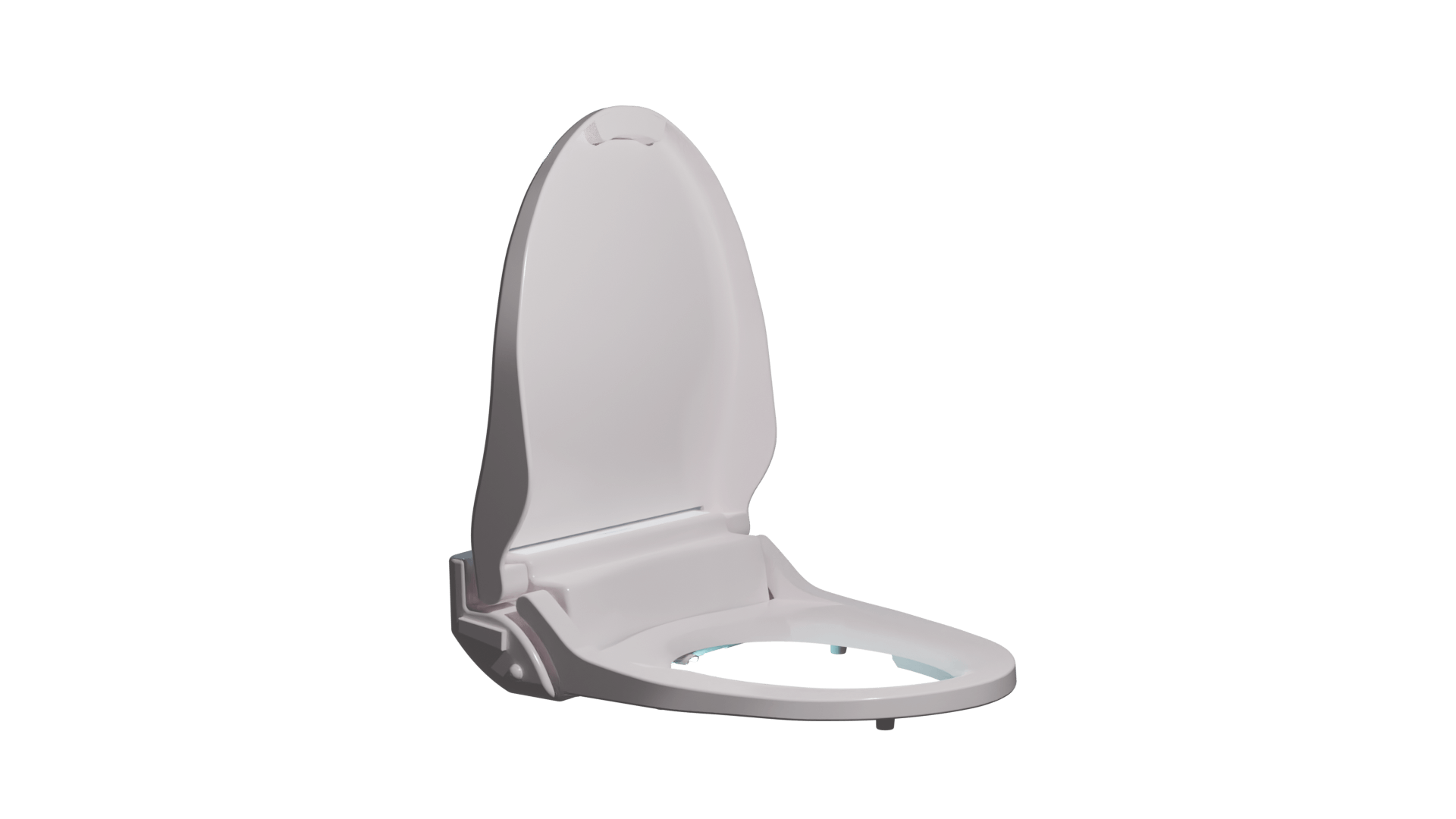
TrueLoo is an AI-powered toilet seat that reads what your body leaves behind - and tells the people who care for you what it found.
It's 6:40 a.m. in a memory care wing. A resident uses the bathroom, washes up, and shuffles back to bed - unremarkable, forgotten by breakfast. Except this morning the seat noticed something the night staff couldn't: 72 hours without a bowel movement, and urine a shade too dark. By the time the nurse pours her coffee, the alert is already waiting.
That quiet catch is the entire thesis of Toi Labs. The company builds TrueLoo - a smart toilet seat that fits on an ordinary toilet and turns the most routine act of the day into a passive, dignified stream of health data. No wearable to charge. No cuff to strap on. No awkward questionnaire. Just a seat that pays attention when nobody else is in the room.
The pitch sounds like a punchline until you sit with the numbers. Toileting is the single richest behavioral signal in senior care, and until now it was logged by hand - on paper, from memory, hours late. Toi Labs looked at that gap and asked the unglamorous question nobody wanted to: what if the toilet could just tell you?
I liken it to a team of doctors that can peer into your toilet bowl every day.- Vik Kashyap, Founder & CEO, Toi Labs
The imaging system faces down into the bowl - by design, it sees waste and only waste, never any part of a person. Here is the whole loop, start to finish.
A resident uses the toilet exactly as they always have. No new behavior to learn.
Downward optics capture stool and urine - color, consistency, clarity, frequency.
AI flags concerning patterns: blood, cloudy urine, loose stool, 72h without a movement.
HIPAA-compliant reports and real-time alerts reach care staff, de-identified and secure.
*Company-reported figures. "100x" reflects accuracy and timeliness vs. current manual practice; independent validation published in JMIR Aging (2024).
Vik Kashyap did not arrive at toilets by accident. A Harvard graduate who cut his teeth at Battery Ventures and built Canopy - a consumer healthcare platform acquired by Aetna/CVS Health - he had already spent a career chasing healthcare efficiency.
Then, at 28, he was diagnosed with ulcerative colitis. When standard treatment failed and a surgeon recommended removing his colon, Kashyap went looking for another path. The experimental journey that followed - and the intimate, daily attention it demanded to his own body's output - convinced him that the most useful health data in the world was being flushed away, unread, billions of times a day.
Vik Kashyap - Founder & CEO. Serial healthcare entrepreneur, patient-turned-inventor, and the person who decided the toilet deserved a second look.
David Samuel - Co-Founder & Chairman.
"Toi" nods to the most-used, least-instrumented device in the house. The team's bet: the smartest sensor in your home is the one you already sit on.
An AI toilet seat that fits an existing toilet and scans stool and urine for concerning changes - blood, dehydration, loose stool, missed movements.
Automated daily toileting reports and real-time clinical alerts, HIPAA-compliant and de-identified, delivered straight to care staff.
A planned direct-to-consumer version that brings passive at-home monitoring beyond the walls of senior living facilities.
TrueLoo runs in memory care, assisted living, and long-term care communities - reaching more than 300 communities across North America through 20-plus enterprise operators. For a nurse, it means catching a UTI or a bowel obstruction days earlier. For a resident, it means help arrives without a single indignity in between.
The first Canadian organization to deploy TrueLoo, bringing the seat to the Memory Care community at Baycrest Terraces under its "Possibilities by Baycrest" innovation mandate.
Award-winning aging-care leader; agreement announced November 2023 to advance resident care through TrueLoo.
Adopted TrueLoo to sharpen health monitoring for its residents.
Toilet-hardware heavyweights among the company's backers - pairing century-old plumbing expertise with data science.
Rewind five years and that resident's dark urine goes unnoticed until she stumbles on the way to lunch - a fall, an ambulance, a hospital stay, a bill. The signal was always there. Nobody was reading it.
Now the seat reads it. The nurse gets more water into the resident by mid-morning, and the fall never happens. Nothing dramatic occurs, which is precisely the point. Toi Labs didn't add a gadget to the bathroom so much as it gave the quietest room in the building a voice - and taught the people who care for us to listen before things go wrong. The toilet, it turns out, had plenty to say all along.