In March 2023, Stripe had a problem that looked peculiar from the outside. The payments company wanted to raise billions of dollars, yet said it did not need the money to operate. The issue was employee equity: people needed liquidity, and stock awards carried tax obligations. A business could be healthy and still require a very large financial intervention.
- Thrive backs a limited number of companies and commits substantial attention to them.
- Its tenth fund exceeds $10 billion, with $9 billion designated for growth investments.
- Related business Thrive Holdings takes the idea further: own companies and help change how they work.
Thrive Capital was among the investors in Stripe’s more-than-$6.5-billion financing at a $50 billion valuation. The transaction provided a way to address those obligations while retiring shares to offset new issuance. Here was a useful definition of venture capital: understand a founder’s particular predicament, then assemble enough money to solve it.
A check is only the beginning
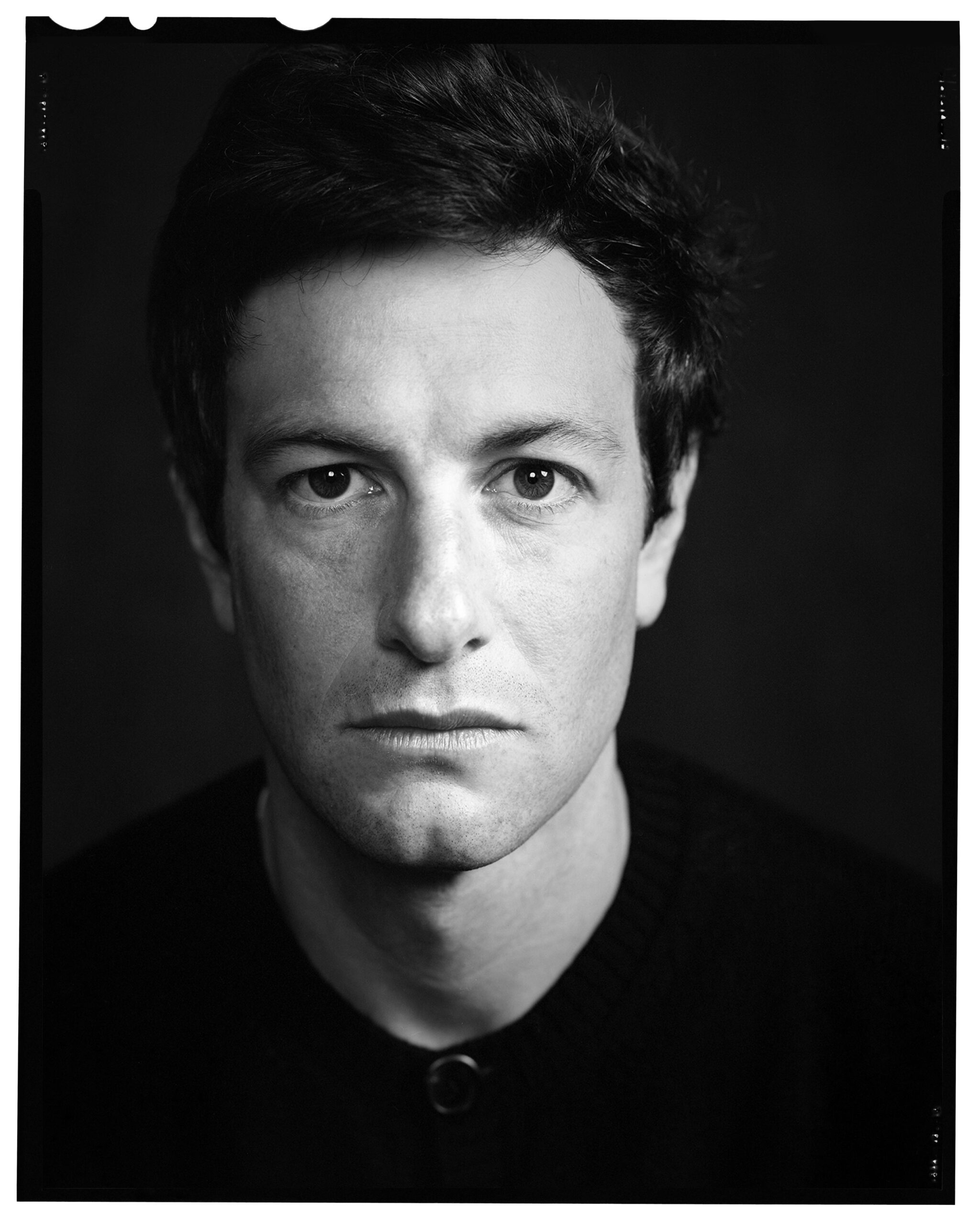
Joshua Kushner founded Thrive in New York in 2009. Its stated territory is internet, software and technology-enabled companies. That description accommodates a payments network, an AI laboratory and a consumer brand. The connecting thread is the relationship Thrive wants with the people building them. It invests across stages and also helps start companies through its incubation practice.
There are two constituencies here. Institutional investors commit money to Thrive’s funds and expect investment returns. Founders receive capital and support. University endowments have been among the firm’s backers. The fund manager earns asset-based and performance-based compensation. Those billions in fund commitments belong in a different column from revenue earned by the management business.
“We think of ourselves as a service provider.”Joshua Kushner · Invest Like the Best · February 2026
Consider what that promise requires. If a firm offers intimate knowledge of a company, it must spend time acquiring it. Too many relationships make that expensive in a currency nobody can raise more of: attention. Thrive’s small-team culture and concentrated investing fit together. Fewer commitments create room for deeper involvement, although they also make a mistaken judgment more consequential.
Follow the second check
The competitive field includes Sequoia, Andreessen Horowitz, General Catalyst and other investors capable of financing ambitious technology businesses. Thrive’s pitch rests on concentrated commitment and a willingness to help with awkward, company-specific situations. These ingredients are available to competitors, too. Their value depends on execution, especially when the founder needs more than introductions and a reassuring conversation.
The fund allocations reveal how expensive continued support can become. In August 2024, Thrive IX closed above $5 billion: $1 billion for early-stage investments and $4 billion for growth. In February 2026, Thrive X exceeded $10 billion. The announced early-stage allocation stayed at $1 billion. Growth increased to $9 billion. Most of the expansion went toward companies further along.
Announced allocations. Fund totals exceeded $5B and $10B respectively.
OpenAI shows the scale involved. Thrive led its October 2024 financing, a $6.6 billion round at a $157 billion post-money valuation. That was the whole round, rather than Thrive’s individual contribution. The investment put Thrive alongside Microsoft, Nvidia and other backers of a company spending heavily on research and computing capacity.
For founders, the appeal is continuity: an investor that can remain useful as funding needs grow. For limited partners, the wager is that a small set of companies can justify substantial exposure. Neither rising private valuations nor a larger successor fund establishes realized returns. A paper gain still needs a route back to cash.
That gives a prospective founder a sensible way to evaluate the offer. Ask who will do the work, what decisions the investor can help with and how support changes after the next round. Thrive’s incubation arm offers a different starting point: exploring ideas and building products before launching a company. A founder seeking a repeatable application process should recognize how selective and relationship-dependent this model is.
Buy the place where the work happens
Thrive’s interest in AI produced another experiment: Thrive Holdings, a distinct business created to acquire, build and operate companies. Its initial focus included accounting and IT services. These are places where the work already exists, the customers already pay and practitioners know which mistakes matter. Improving the workflow could change an established business’s economics.
The early obstacle was practical. Reporting on the partnership described off-the-shelf AI tools struggling with the specific tasks Holdings needed performed. In December 2025, OpenAI announced that it would take an ownership stake and embed research, product and engineering teams in Holdings’ businesses. The response was to bring technical specialists closer to practitioners and company data.
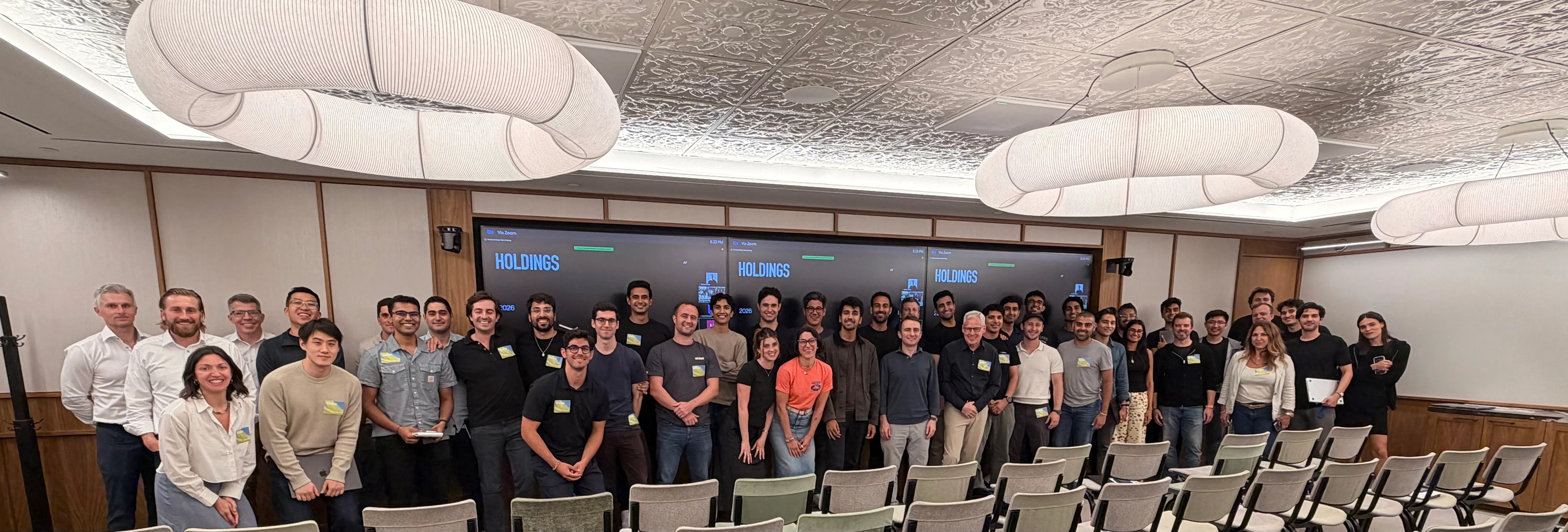
By August 2026, Holdings said it owned and operated more than 70 businesses and announced over $2 billion in new capital at a $12 billion valuation. Those are Holdings figures. The underlying proposition is testable: put engineers beside domain experts, build around real tasks and measure service quality and cost. The announcement demonstrates expansion; it does not settle the long-term profitability question.
The ownership arrangement also deserves scrutiny. Thrive Capital invested in OpenAI; OpenAI then acquired a stake in Holdings, whose businesses would use its technology. Shared incentives may help teams cooperate. They also mean an observer needs to separate customer demand, technical performance and financial relationships. The revealing numbers will be recurring operating results: work completed accurately, customers retained and costs reduced after implementation expenses.
Conviction needs a boundary
Thrive’s history includes Fab, the online retailer that underwent repeated layoffs and was sold in 2015. The outcome complicates any tidy story in which recognizing talented founders guarantees a durable company. Growth, financing and customer enthusiasm can coexist with a business that cannot sustain its ambitions. Close involvement offers information, not immunity.
A newer limit appeared in football. A proposed FIFA commercial venture associated with Thrive Eternal, a separate permanent-capital vehicle, fell apart in 2026. Kushner subsequently said the team had underestimated the political dynamics. His explanation matters because it identifies a boundary: financing expertise does not automatically confer an understanding of every institution whose cooperation a deal requires.
The useful thing to copy is the sequence. Identify a concrete problem. Learn enough about it to offer something specific. Make commitments your team can actually honor. Concentration becomes harder to defend when access is shallow, customers resist the product, or political stakeholders can stop the plan. Thrive’s larger checkbook raises the stakes of doing that homework every time.