The least glamorous sentence on The TARA Group's website may also be the most revealing. The company says it provides HR, legal, IT and finance to its operating businesses. There is no breathless talk of disruption in that list. It sounds like the agenda for a Tuesday budget meeting. But in a business assembled from databases, pollsters, media buyers and call centers, the unglamorous work is the design.
Public-affairs campaigns are handoff machines. A researcher identifies an audience. A pollster decides what might move it. A data team finds the people. A media shop buys their attention. Someone else calls, texts or emails them. Each handoff is an opportunity to lose the original question, scramble a field name, duplicate a fee or discover that the brilliant audience cannot be activated on the chosen channel.
TARA's answer is a holding company that behaves like shared infrastructure. Its operating firms remain distinct - their own CEOs, cultures, clients and work product - while the parent handles the administrative plumbing and makes cross-company collaboration possible. The arrangement is less “one-stop shop” than a row of specialist shops with a connecting hallway.

The campaign funnel became a company
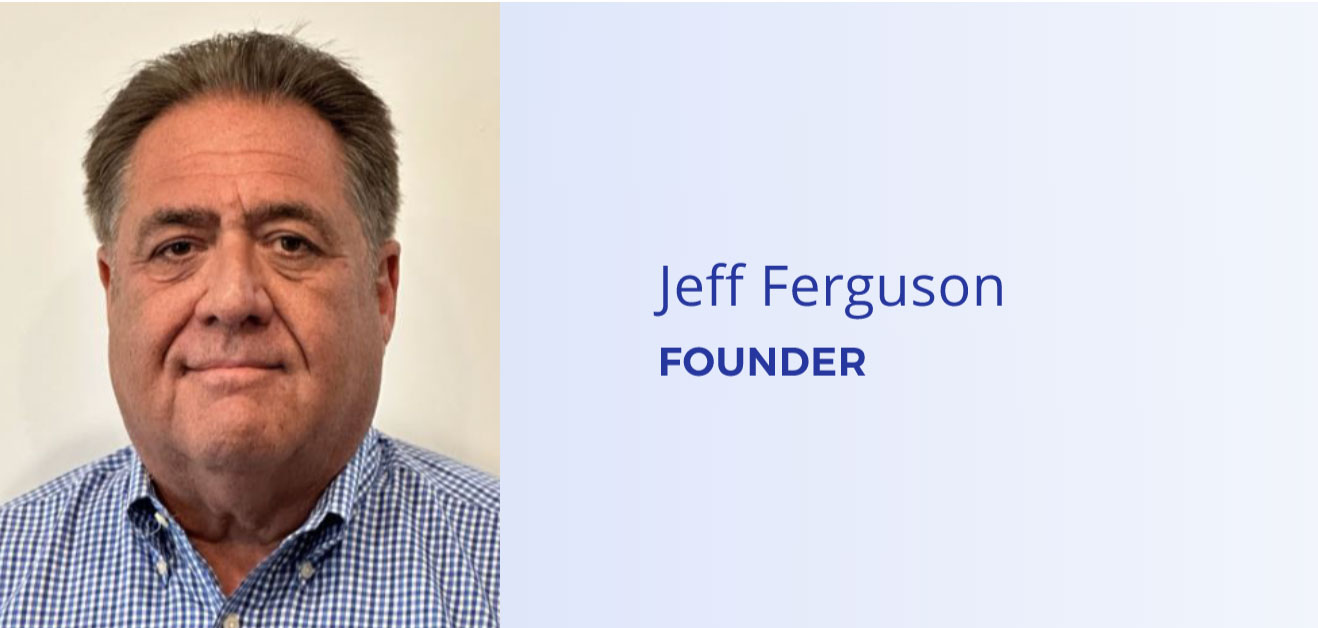
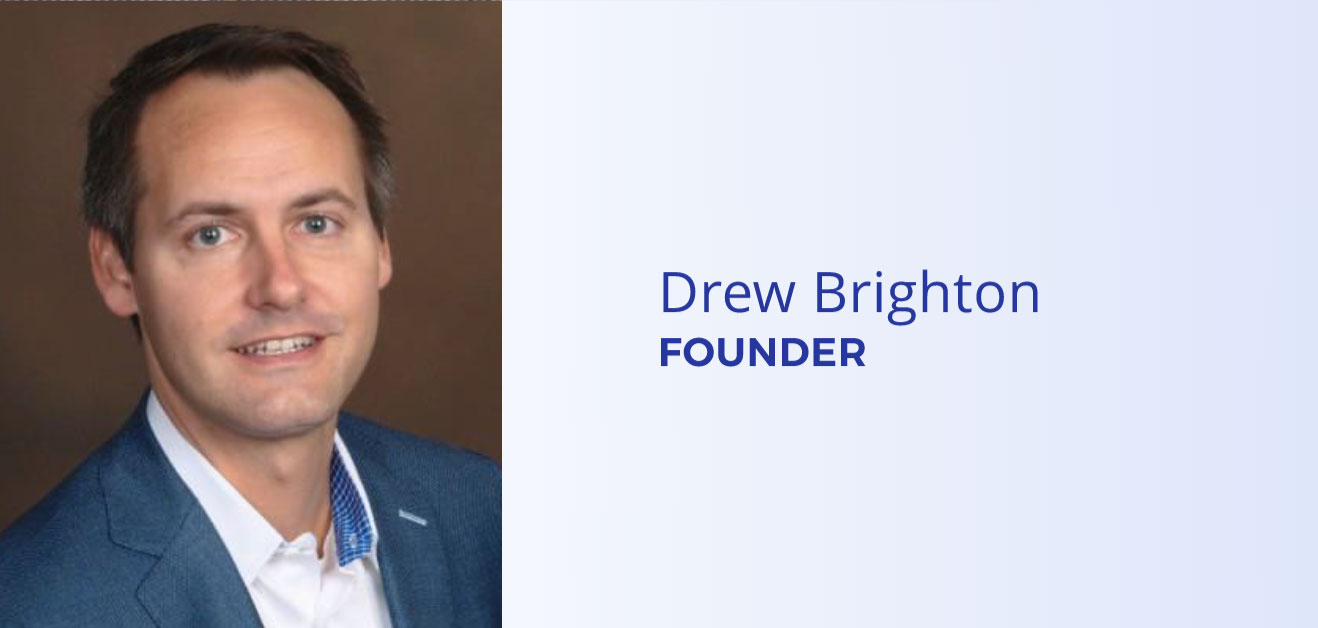
Jeff Ferguson and Drew Brighton met as consultants to the Democratic Senatorial Campaign Committee. Ferguson came from political operations and the application of data to campaigns; Brighton from consumer data. In 2006 they launched TargetSmart. A decade later, after adding businesses around it, they reorganized the collection under The TARA Group.
The visible portfolio now names four businesses. TargetSmart supplies voter and consumer data, analytics, research and media-buying tools. Statara combines an identity graph, polling, models, creative work and campaign execution. TARA Media plans and buys across programmatic display, social, connected TV, online video, digital out-of-home, podcasts and radio. Integral Resources runs the human end of the system: fundraising and constituent conversations by phone, text and email.
One audience, four different crafts
Voter files, lists, models, data enhancement.
Polling, focus groups, identity and insight.
CTV, digital, audio, social and outdoor.
Live calls, texts, email and fundraising.
That sequence explains where TARA sits in the market. A campaign could hire a voter-file vendor, a polling firm, a digital agency and a phone bank separately. It could also buy pieces from political-data competitors, analytics consultancies or general media agencies. TARA's pitch is that complementary specialists can preserve depth while reducing the seams between them. It sells neither a single app nor a single agency methodology. It sells coordinated access to the stack.
“Each of our companies operates independently, with its own CEO, corporate culture, clients, and work product.”The TARA Group
A database is not an outcome
The scale begins with records. TargetSmart's 2026 VoterBase update says 210.3 million registered voter records carry enriched demographic data, covering 90.4 percent of the 232.7 million records in its file. Statara describes an identity graph of more than 260 million U.S. adults. Those numbers are not interchangeable - one is registered-voter coverage, the other an identity system - but together they show the raw material of the portfolio.
What happens after the database is the more useful test. In a published 2025 case, TargetSmart worked with six Democratic Assembly campaigns across three competitive New Jersey districts. The program combined polling, custom modeling and ads on connected television, Meta and YouTube. Total spend was $405,000. TargetSmart reports 8.5 million impressions, roughly 38,000 voters reached per district and victories for all six candidates, including a flipped Republican seat.
The New Jersey case, without the confetti
Bars are visual indexes, not like-for-like units. The spend was campaign and media spend, not a disclosed TARA corporate fee. Election results have many causes, so the case shows execution, not sole attribution.This also answers the cost question as far as public evidence allows. TARA does not operate like a checkout page. Its companies sell enterprise data access, software, media and custom services. Statara promotes one activation offering with no separate data or onboarding charge and one flat fee. The $405,000 New Jersey figure is a rare concrete number, but it describes total program spend rather than TARA's margin or fee.
The first thing to fail is usually the handoff
TARA's structure suggests what its founders learned as TargetSmart expanded: owning the audience file was valuable, but the client's problem continued after delivery. Someone still had to ask the question, create the message, place it on the right screen and measure a response. The move from one data company in 2006 to an umbrella in 2016, and then the 2022 acquisition of Integral Resources, widened the system in both directions - from analysis to action.
The Integral deal is particularly telling. Integral brought an experienced contact center and a dataset of more than six million progressive and Democratic donors. In 2020 it said it helped clients raise money from 1.6 million donors. TargetSmart brought targeting and analytics. Put together, the acquisition connected a prediction about who might give with the people trained to ask.
There is a trust problem hiding inside this convenience. Political and consumer data is sensitive, and one shared system can turn efficiency into concentrated risk. TARA's Trust Center says a SOC 2 Type II audit examined the design and operating effectiveness of security controls from April through July 2025. The scope included flagship products used by all operating companies. It is not a guarantee against failure. It is evidence that the shared plumbing received an external controls review.
The useful part you can steal
The portable lesson is not “buy four agencies.” It is to separate economies of scale from economies of judgment. Payroll software, security policy and contracts improve when standardized. Polling, creative strategy and client advice often degrade when forced into one universal process. TARA centralizes the first category and leaves room around the second.
A four-line operating manual
- Centralize invisible work that every unit repeats.
- Keep specialist leaders accountable to their own markets.
- Connect data and measurement before a campaign begins.
- Make cross-company collaboration available, not ceremonial.
The model has conditions. It works when the companies are complementary, when shared systems use compatible definitions, and when clients benefit from fewer transfers. It becomes clumsy when the subsidiaries chase unrelated buyers, when forced referrals outrank client fit, or when central approval slows experts who were acquired for their speed. A federation needs enough common ground to cooperate and enough distance to remain useful.
Tom Bonier, who ran TargetSmart for nearly a decade, became TARA's first CEO in 2023. His job is unusually literal: make the whole more useful without making the parts less themselves. In 2025 the group partnered with Activist Technologies, a civic-engagement software company, giving it access to TARA's political data and technology; Bonier joined the board. In 2026, chief innovation officer Hamid Qayyum described political advertising's shift toward connected TV and digital video as a move toward better targeting and measurement.
That is the arc of TARA in miniature. First came the file. Then came the analysis, the channel, the conversation and the measurement. The holding company grew in the negative space between them. Its cleverest product is not another dashboard. It is the decision to make the hallway shorter.