An engineering manager has a budget and a problem. At Uber, Gergely Orosz was encouraged to spend roughly $500 a year on becoming better at his job. He subscribed to Harvard Business Review. Months later, he still wanted practical advice about managing engineers. He even offered to write an article. No reply came. There was money on the table, a reader ready to pay, and a conspicuous empty chair.
- The offer: reported engineering deepdives, industry analysis, books and a free interview podcast.
- The buyer: engineers and engineering leaders making decisions about teams, systems and careers.
- The deal: $15 monthly or $150 annually for the paid newsletter; written coverage has no sponsors.
The Pragmatic Engineer now occupies that chair. It explains technology through the people building it: what their teams tried, which tradeoffs mattered, and why a process made sense there. General technology reporting can tell a reader that a company launched something. This publication serves the colleague who must work out whether any of it belongs in next quarter’s plan.
The book that refused to finish
Orosz did not leave Uber with a newsletter business plan. In late 2020, he intended to spend six months writing a book, then explore a platform-engineering startup. The writing took longer. By 2022, he was describing his new occupation as running a small, bootstrapped business. The career ladder he had known inside a company had disappeared. He had to decide what success meant.

There had been setbacks before the missed deadline. His first personal blog became a jumble of side projects; persistent WordPress malware helped prompt a fresh start on Ghost in 2015. The focused engineering blog still attracted fewer than 1,000 monthly visitors during its first two years. A 2019 email digest eventually supplied 9,000 readers for the paid newsletter’s launch. This was a long apprenticeship in public.
The paid experiment came with a private escape hatch. Orosz would hold subscription revenue aside, assess demand and his enjoyment after six months, and refund subscribers if he stopped. Within six weeks, 1,000 people were paying. Demand had supplied an answer before the deadline arrived.
The $15,000 he chose to lose
The business had tried other ways of making money. A small blog advertising slot generated $3,541 over 33 months, on 2.1 million ad views. It covered hosting costs, but the numbers suggest why a specialist publisher might prefer customers to impressions. Once books and the newsletter became viable, Orosz removed the third-party advertising.
Affiliate links were a more consequential goodbye. They had earned over $24,000 across two years and were running at about $15,000 annually when he removed them in 2022. His concern was the financial pull toward recommending products people would buy. The recommendations remained; the commissions went. Independence acquired a measurable opportunity cost.
The affiliate revenue run rate Orosz gave up in 2022. A historical figure, not the publication’s current revenue.
Today, the ethics statement puts most revenue with newsletter subscribers, alongside books, podcast sponsorships and YouTube advertising. Podcast sponsors cannot choose guests, shape episodes or inspect them before release. That boundary lets interviews remain free while protecting editorial decisions. Sponsors listed on the podcast site include Antithesis, WorkOS, turbopuffer and Sentry. Buying an advertising slot buys that slot.
“I don’t take any form of payment to write about a company or product”
GERGELY OROSZ / ETHICS STATEMENT
A subscription for the next difficult decision
The paid product has a rhythm. Tuesday brings a long-form engineering article; Thursday brings The Pulse, tracking developments that affect technical work and careers. Free readers receive deepdive previews and podcast updates. Paying readers also get resources and templates. Group subscriptions turn an individual reading habit into a shared learning expense, with administrators able to replace readers as teams change.
The podcast, launched in 2024, gives experienced engineers room to explain themselves. The written business has already trained its audience to care about details. An interview can linger on them. The newsletter’s third-anniversary update describes a shift toward external experts and research into companies’ actual practices. A founder’s experience opens the conversation; additional reporting keeps it from becoming only a memoir.
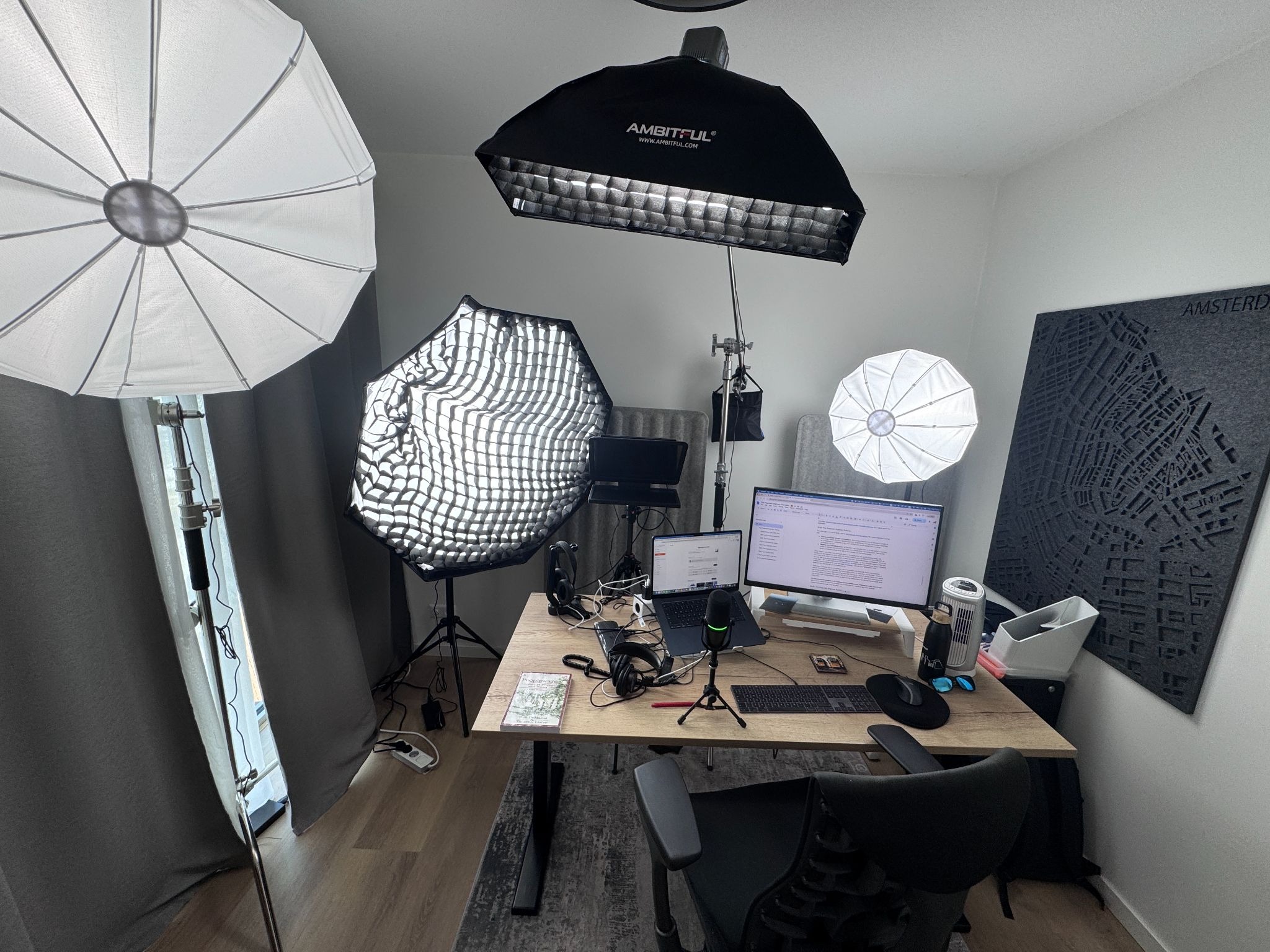
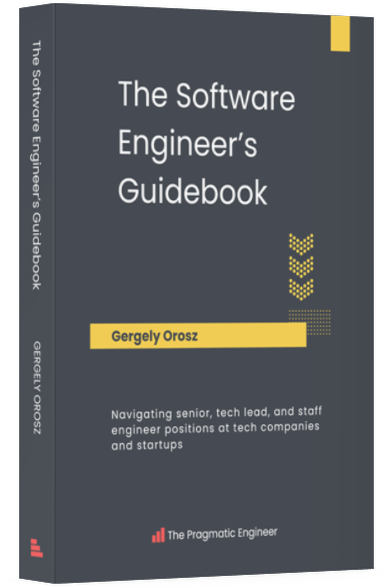
Books offer a slower companion. The Software Engineer’s Guidebook took four years and arrived in November 2023. Orosz’s account of self-publishing describes the lost discipline of a publisher’s deadline and the need to build awareness himself. Reporting for the newsletter also exposed gaps in the draft. The book could improve as the business around it grew.
Copy the questions first
For a reader, the useful test is specific: can this change a decision? Orosz’s first-time manager checklist offers an immediate experiment. Define what a competent manager should deliver, discuss expectations, then check progress. His instruction is explicit: “don’t blindly copy it: but customize it”. An Uber checklist cannot know your team’s headcount, authority or constraints.
Another useful example is reverse interviewing. After negotiating an offer, ask the future manager and a senior colleague the questions you were too cautious to ask while auditioning. What work will you own? What opportunities actually exist? The publication turns familiar career anxiety into an action someone can take.
This places The Pragmatic Engineer between professional education and specialist media. It competes for the time a reader might spend on a technical book, a company engineering blog or a management publication. Its advantage is the combination: current reporting with a working engineer’s questions. A company blog can describe a successful launch; an independent publication can investigate the choices behind it and compare them with other teams’ experiences.
For a team, a sensible reading habit would be to choose one article relevant to a live problem, discuss the assumptions behind it, and try one small change. A subscription supplies material for that conversation. The team still has to do the thinking, and measure whether the borrowed idea helped.
There are conditions to the business lesson, too. Orosz had professional experience, years of writing and financial runway from Uber shares. A newcomer without those advantages should not mistake fast paid conversion for a repeatable launch formula. And an engineering team hunting for a universal process will be disappointed. The value lies in examining circumstances. Before borrowing a successful company’s answer, borrow its questions.