Consider the humble overnight stay. For most retailers, leaving stock on a shelf after closing is scarcely a business innovation. For Texas Original, a medical cannabis producer, that permission helps change the economics of reaching patients. A factory can make the medicine. A rule can decide how far it must travel before anyone collects it.
- Texas-grown cannabis, sold through physician-entered prescriptions.
- A 75,000-square-foot Bastrop headquarters opened in December 2025.
- Gummies, tinctures and vaporization offer different delivery formats.
- Satellite inventory brings medicine closer to patients.
That is a useful way to understand the company’s move from a 7,700-square-foot South Austin operation to Bastrop. The new headquarters brings cultivation, manufacturing, testing, packaging and distribution together. Impressive dimensions, certainly. But the more revealing question is what happens after a product leaves the building.
01 / The plant meets the prescription
Texas Original planted its first seeds in 2017 and opened its dispensary in 2018. Its early market was shaped by Texas’s narrow medical cannabis program. High-CBD formulations came first. The customer was a patient, often accompanied by a family navigating an unfamiliar treatment option.
Co-founder and former CEO Morris Denton became a public advocate for broader access. Today, Nico Richardson leads the company. Its declared mission combines producing medicine with helping Texans obtain it legally. That second undertaking requires patience with a system whose eligibility rules and permitted products have changed repeatedly.
The business is vertically integrated: Texas Original grows the plants, processes extracts, formulates products and dispenses prescriptions. The advantage is control over a sequence where consistency matters. Its public testing pages let patients inspect ingredients and batch results. A certificate of analysis gives a consumer something more useful than a reassuring adjective.
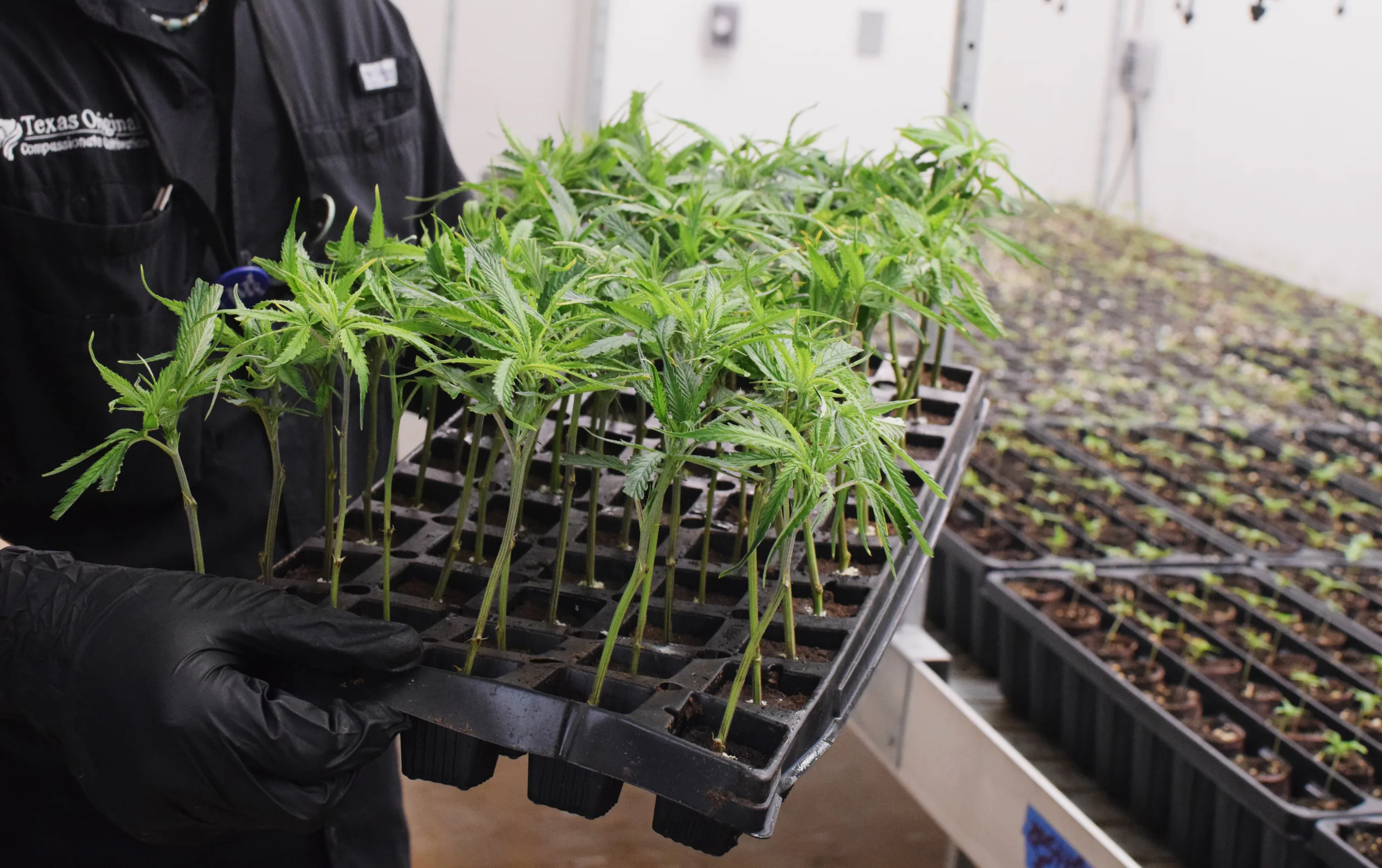
Customers must be permanent Texas residents with qualifying conditions and a prescription from a registered physician. Those conditions include epilepsy, cancer, PTSD and multiple sclerosis; the expanded list also includes chronic pain. Texas Original sells directly through its ordering and dispensing network. Caregivers can help, but a shopping cart cannot supply eligibility.
02 / A gummy with a job to do
The product history contains a practical clue. In 2021, the company introduced fast-acting gummies using Vertosa’s nanoemulsion technology. Its announcement described an alternative for patients experiencing gastrointestinal discomfort from carrying oils. The strawberry passion fruit flavor was the cheerful detail; a different way to take the medicine was the commercial point.
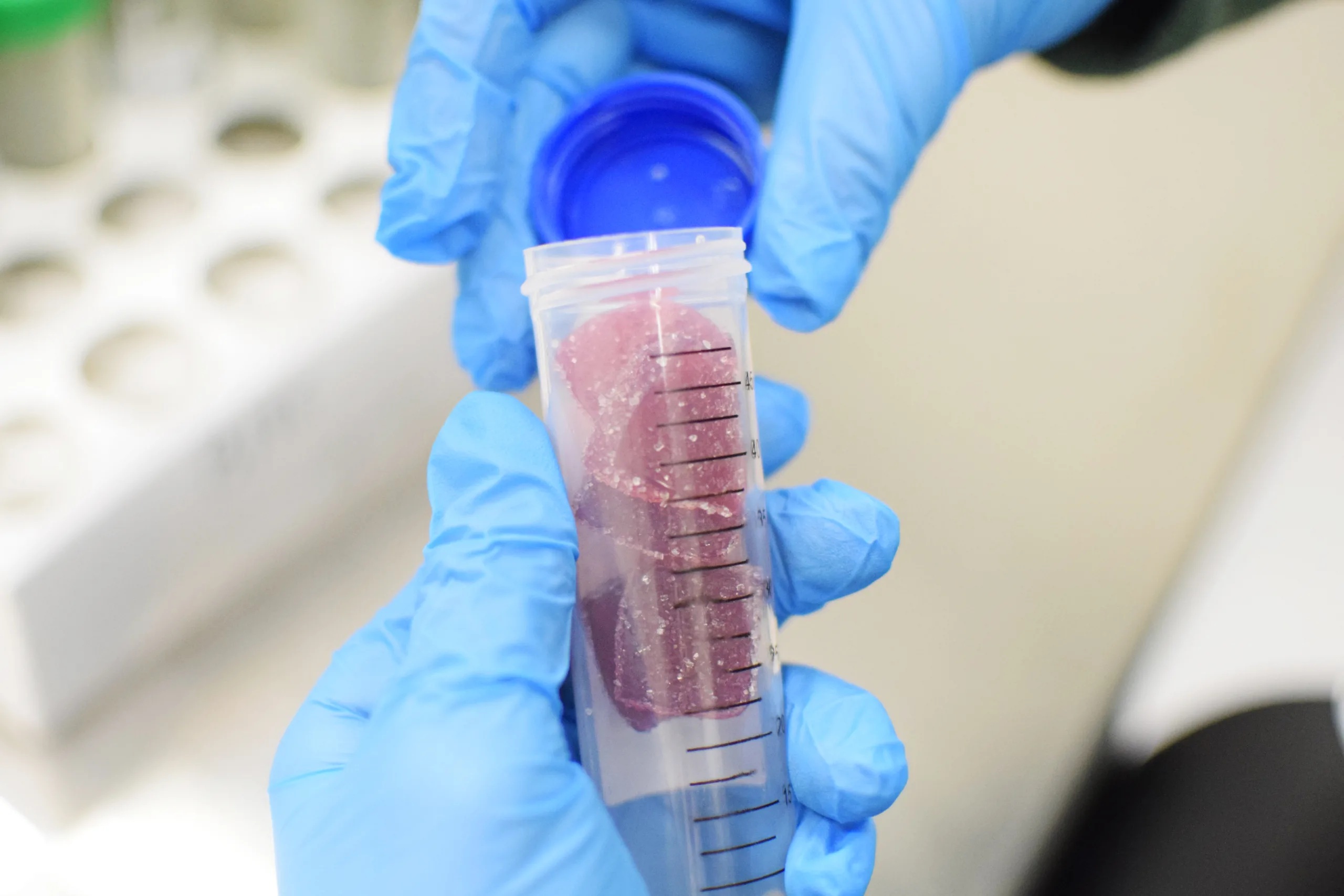
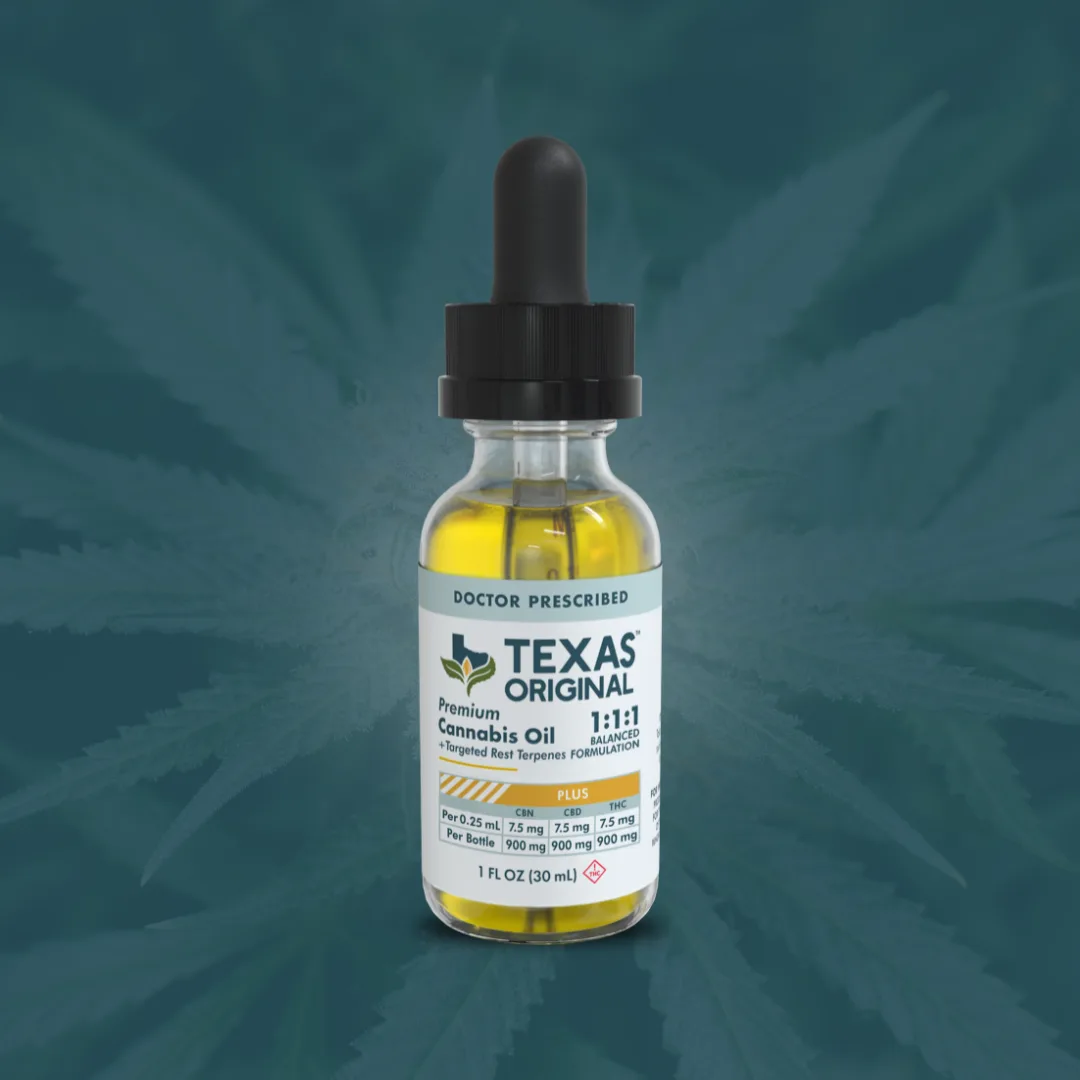
The range now includes tinctures, chocolates, beverages, topicals and concentrates. Balanced CBD-and-THC products sit alongside high-CBD and THC-only formulations. Tinctures offer measured dosing; gummy lines include vegan and gluten-free options. This is a catalog organized around patients’ preferences and prescribed treatment, with format doing some of the work that flavor usually does in consumer retail.
In June 2026, Texas Original announced medical vaporization with metered draws of three to five milligrams. It positioned the device for faster onset and for patients unable to ingest edibles. The launch added inhale activation and locking features. The claim concerns a delivery mechanism; it does not establish that every patient will benefit equally.
Control the volume of a prescribed formulation.
An alternative to taking cannabinoid carrying oils.
Metered draws introduced in June 2026.
03 / The expensive journey home
Building this operation required outside capital. A June 2021 announcement put its Series B at $21 million, led by AFI Capital Partners, with production and statewide delivery among the intended uses. FOX 7’s contemporaneous construction report described an $8 million Bastrop project. That figure was an announced budget, rather than an audited final bill.
About 9.7 times the floor area. Space is capacity, not proof of sales.
The company’s earlier aspirations also show why forecasts deserve pencil. The 2021 report anticipated completion in 2022 and described a larger planned footprint. The opening announcement arrived in December 2025 with 75,000 square feet. The public record establishes a changed timetable and dimensions, without supplying a tidy explanation for every intervening decision.
Meanwhile, distribution carried a peculiar burden. Before satellite storage, medicine dispatched to pickup locations had to return to the original dispensary each day. Transport was doing work that an ordinary stockroom would have handled. The Texas Tribune described those rules as part of the overhead constraining the prescription market.
04 / Permission to stay overnight
House Bill 46 changed that arrangement. Approved satellites can store inventory overnight, allowing same-day pickup. Texas Original converted its former South Austin facility into a satellite and announced additional locations in Plano and San Antonio in March 2026. Three further pickup sites extended the network into Lubbock, Nacogdoches and Tyler.
Partnerships have extended that approach beyond company-operated premises. In August 2024, Texas Original announced a Katy-area pickup location with Buena Vida Hospice. The collaboration brought a dispensing option into a care setting already serving patients. It illustrates an alternative to expecting every customer to make a separate trip to a conventional retail destination.
Patients still have to consider expense. The company’s website lists free statewide delivery with a $200 minimum purchase. Physician appointments are separate from the medicine. A legally available product can remain inconvenient if the order threshold strains a budget or the nearest pickup window clashes with a patient’s day.
05 / The doctor is part of the route
The digital route changed in July 2026, when Texas Original introduced Dutchie ordering. Patients choose a location or delivery before browsing its menu, and the company verifies prescription information after submission. That sequence matters: the website makes an order easier to place, while the clinical authorization still determines whether it can be filled.
There is another distance a delivery van cannot shorten. Physician Matthew Brimberry told The Texas Tribune that medical cannabis receives limited attention in training. His observation was disarmingly direct: “you aren’t going to recommend something you don’t know about.” A registered prescriber and a usable registry are parts of the distribution system, too.
“access only matters if people know it’s available”
Nico Richardson / September 2026
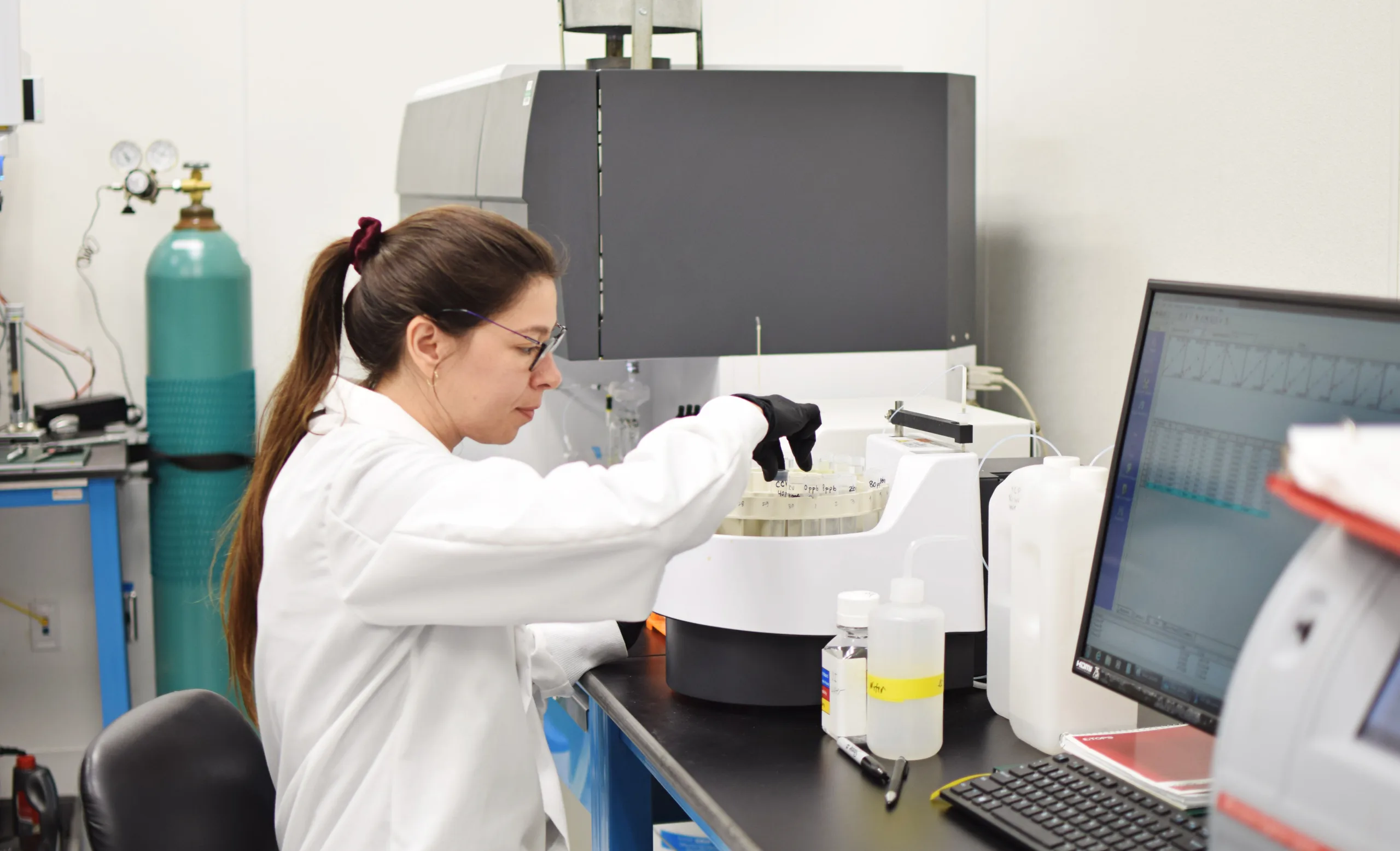
Texas Original competes with established prescription providers including goodblend and Fluent, while new licenses promise more choices. Its position rests on local production, formulation experience and a distribution network. None removes the need to persuade eligible patients and physicians that the prescription route is worth navigating.
The lesson another business can copy is specific: follow the customer past the product. Find the appointment, verification step, delivery restriction or collection window that stops a purchase becoming useful. That approach depends on permission to improve those steps and on customers able to afford the result. At Texas Original, the last mile begins well before the road.
Follow the medicine
Explore products, the patient pathway and the people behind the company.