At Ipca Laboratories, the problem was sitting between two databases. The pharmaceutical company had safety information in separate systems, regional teams following different workflows, and case processing that missed deadlines. Techsol’s published account describes omissions and duplicated work. For a business monitoring medicines, a gap between systems becomes a gap in the operation.
- Techsol combines scientific services with software implementation and managed support.
- AccelSafety runs around Oracle Argus; Compier coordinates the work alongside safety databases.
- Its customers include drugmakers, device companies and clinical research organizations.
Two databases. Too many loose ends.
Techsol put Ipca on AccelSafety, combining Oracle Argus Safety, Empirica Signal/Topics and an electronic submission gateway. It migrated legacy cases, standardized configurations, validated the system, trained users and established continuing support. The company reports an approximately 50% reduction in case-processing time. Read that as a result from one customer project, with a considerable amount of implementation behind it.
Company-reported result from the Ipca project. A customer case, not a benchmark for every deployment.
The interesting part is how much of that work happened around the application. Someone had to make old data usable, align the process and teach people what to do next. This is a useful entry into Techsol Life Sciences: a company whose business includes the connective tissue of pharmaceutical operations.
The work around the software
Consider the difference between a safety database and the work surrounding it. The database holds cases. Around those cases sit incoming correspondence, assignments, quality checks, partner agreements, literature reviews and reports. These activities involve different people, sometimes at different organizations. A record can be present while responsibility for the next action remains unclear.
Techsol addresses both layers. AccelSafety is its managed cloud offering built around Oracle Argus Safety, with implementation, migration, validation and support. Compier PV Ops is a modular SaaS platform for coordinating pharmacovigilance operations alongside existing safety systems. Its modules cover intake, case tracking, aggregate reports, agreements and the pharmacovigilance system master file - the documentation describing a company’s safety system.
- 01ReceiveIntake & correspondence
- 02ProcessSafety database
- 03CoordinateTracking & quality checks
- 04MaintainReports & oversight
Illustrative workflow based on Techsol’s service and platform descriptions. Actual configurations vary.
That distinction helps explain its position. Techsol can implement an established vendor’s application and sell its own workflow software around it. The expertise required includes knowing the technology, the scientific process and the evidence a customer needs to demonstrate that the configured system works as intended.
A consulting company learns to own more
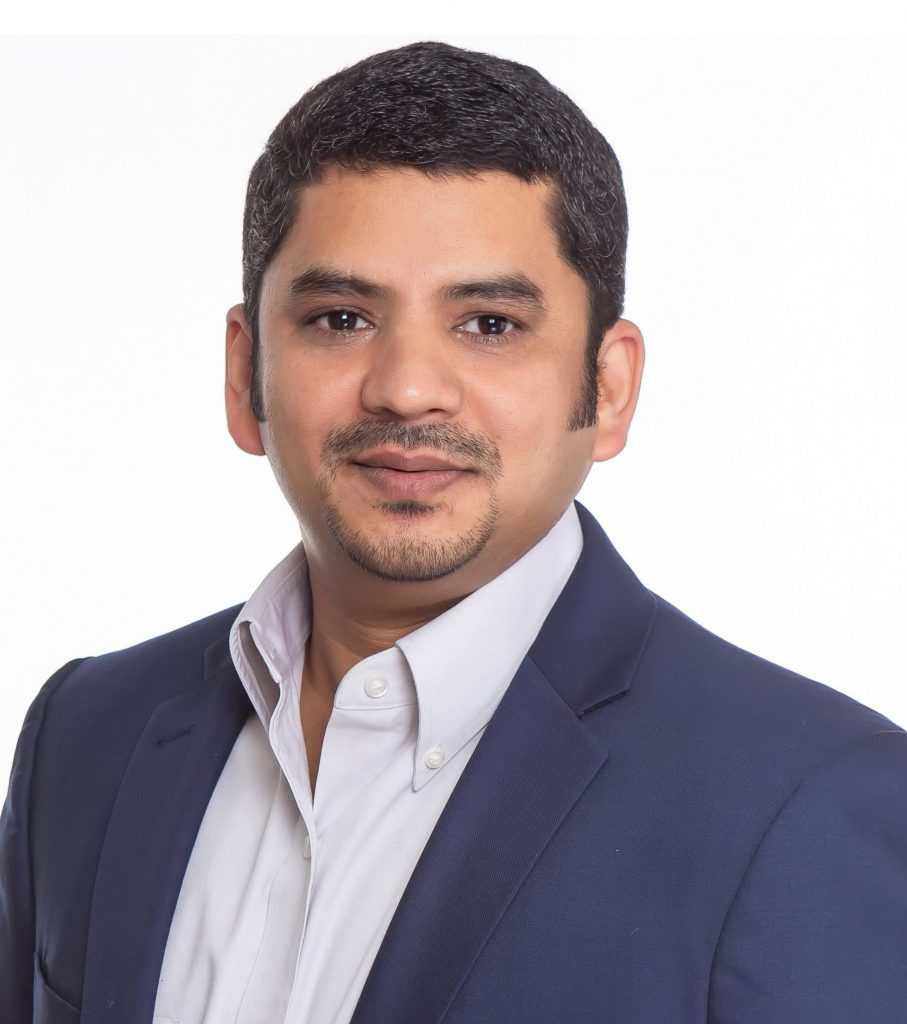
Satya Sagi founded Techsol in Hyderabad in March 2010, initially concentrating on GxP technology and professional services. GxP is the umbrella shorthand for regulated good-practice requirements. The company established a Princeton presence in 2014. Over time, its remit expanded from implementing systems to building applications and delivering scientific services.
Medical information became an important branch. Techsol developed MedInquirer with a US contact center and an international specialty pharmaceutical company. In August 2020, it joined forces with EndPoint Technologies to form SciMax Global, combining technology with medical affairs consulting. The resulting offering extends into publications, grants, investigator-initiated studies and expanded-access programs.
Then came a different kind of expansion: the acquisition of Hinge Clinica, recorded in Techsol’s history in 2021. End-to-end CRO services followed in 2022, along with the Techsol Life Sciences name. The sequence suggests a business taking responsibility for more of the process, from the systems scientists use to the execution of research itself.
“We want to be a trusted partner that offers end-to-end Life Sciences technology and scientific process solutions for our clients”
Satya Sagi / April 2022 business update
Buying the last mile
The customers have different starting points. Hugel Pharma’s published case describes products approaching commercialization without a safety system in place. Techsol implemented and validated Argus, trained users and provided post-launch support. Siriraj Hospital in Thailand selected an Oracle electronic data capture solution with Techsol in 2019, seeking to digitize clinical data management. One needed a safety operation; the other needed a better way to manage trial data.
The broader portfolio includes medical writing, study monitoring, clinical data management, biostatistics, regulatory submissions and medical device surveillance. Its clinical services page describes an India-based regional CRO. That is a useful distinction for buyers: a global technology offering and a regional clinical operation can belong to the same company without having identical geographic coverage.
The commercial model follows that mixture. Compier is sold through modular SaaS subscriptions, accompanied by configuration, validation, integration and rollout services. Other work includes consulting, managed systems and outsourced scientific functions. A buyer is choosing both a capability and a delivery arrangement. Requirements gathering, data migration, training and continuing support belong in the purchasing conversation.
Techsol operates in a crowded market. IQVIA combines safety services with technology; Veeva offers safety software and content management. Techsol also works with Veeva, illustrating how partnership and competition can overlap. Its particular pitch combines scientific operations, Oracle implementation expertise and proprietary applications. In October 2025, Techsol announced an Oracle Health and Life Sciences Industry Solutions Award in the Global Strategic Partner category.
Follow the handoff
Today, Compier’s pitch includes AI-assisted intake, literature screening and operational oversight. Techsol advertised demonstrations of literature, agreements and master-file automation at World Patient Safety Congress Americas in October 2026. The products are changing, but the practical evaluation remains familiar: can the team trace an item through the workflow and explain what happened to it?
The lesson a reader can borrow is to follow one piece of work from arrival to completion before automating it. Identify its owner, its next destination and its checks. This is an inference from Techsol’s operating model, not a universal recipe. It depends on access to systems, usable data, agreed responsibilities and people who can maintain the process. Without those conditions, faster individual steps can still leave the handoffs waiting.