workflow-orchestration
(7)
Mike Wolfel and the Work Between the Screens
For three decades, Mike Wolfel has worked on the plumbing of finance. At Savana, his campaign is simple to state and difficult to execute: make a bank's many systems behave like one bank.
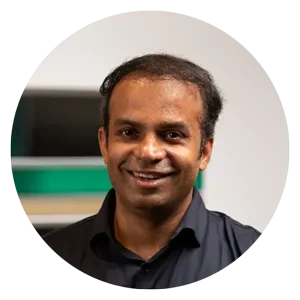
Jeu George Is Giving Software a Memory
He helped Netflix teach thousands of services to work in concert. Now the Orkes co-founder is applying the same durable discipline to a more unruly cast: AI agents.
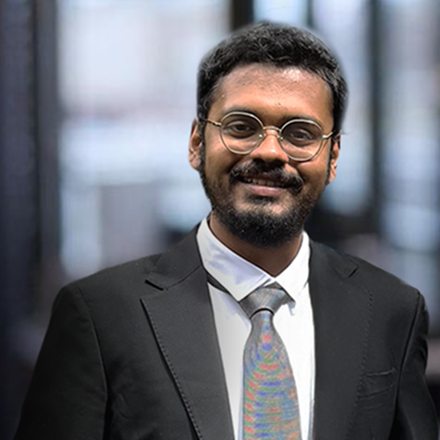
Kshitij Jaggi Is Turning Oncology’s Back Office Into a System of Action
The RISA co-founder has spent a decade learning that software only matters when it moves work. His latest bet is an AI operating layer built for the forms, portals, policies, and handoffs that decide how quickly oncology operations can run.
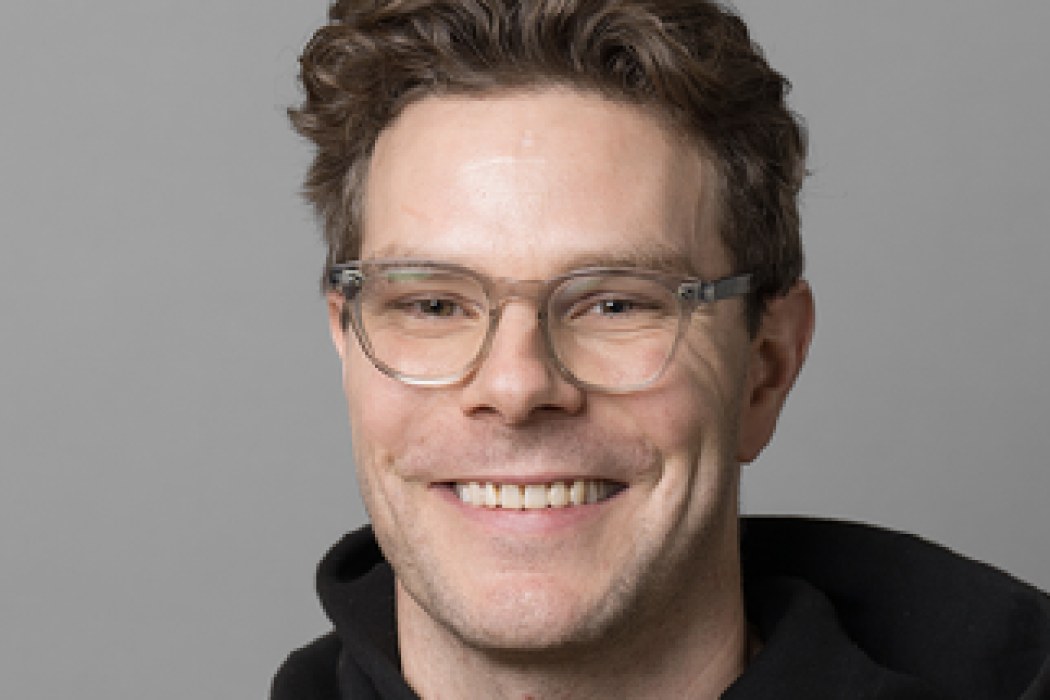
Tony Holdstock-Brown
Tony Holdstock-Brown is the co-founder and CEO of Inngest, a San Francisco developer platform that gives engineers a durable, observable execution layer for background jobs, workflows, and AI agents. A self-described tinkerer since age 10 and former Docker engineer, he started Inngest in 2021 with CTO Dan Farrelly after the two met in a New York co-working space. The company has raised roughly $31.6M, including a $21M Series A led by Altimeter in 2025, on the thesis that in an AI era the real moat is how fast a team can iterate.
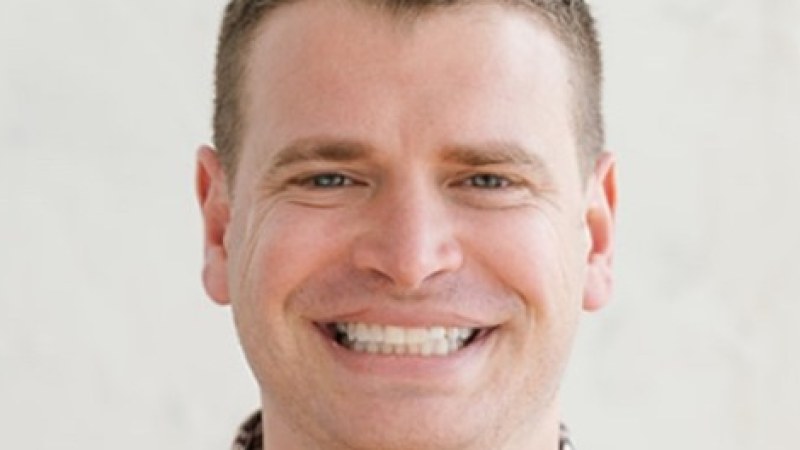
Matthew Shaxted
Matthew Shaxted is the founder and CEO of Parallel Works, a Chicago company that turns the headache of running heavy AI, machine learning, and simulation workloads across clouds and on-premises systems into a single control plane. A civil engineer who once wired 30 Linux desktops into a render farm to push building simulations, he met co-founder Michael Wilde at Argonne National Laboratory and spun the lab's parallel-workflow technology into a company in 2015. Bootstrapped and cash-flow positive, Parallel Works now powers hurricane risk models, cancer research, space-weather digital twins, and IL5-authorized defense workloads.
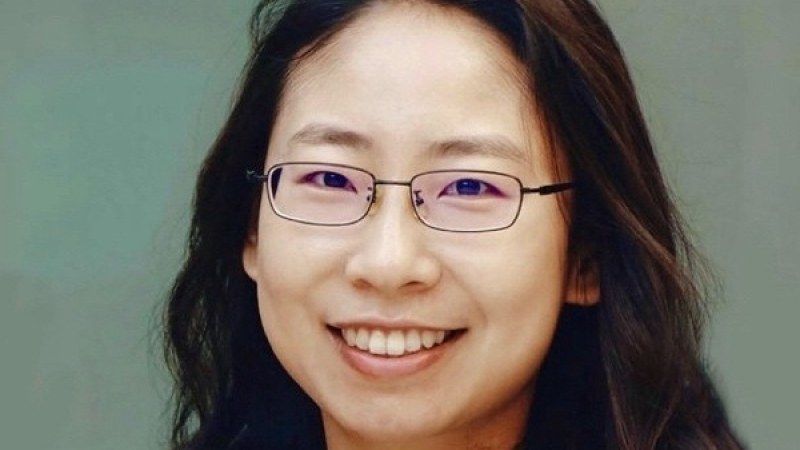
Qian Li
Qian Li is the co-founder and CEO of DBOS, Inc., a Cambridge- and San Francisco-based company turning a once-academic idea into infrastructure: store a program's execution state inside Postgres so crashed apps and AI agents resume exactly where they left off. A Stanford computer science PhD, she co-founded DBOS in 2023 out of a joint Stanford-MIT research project led by Postgres creator Mike Stonebraker and Spark co-creator Matei Zaharia. She was named to the Silicon Valley Business Journal's 40 Under 40 in 2025, won a USENIX ATC Best Paper award for INFaaS, and is a regular voice on systems podcasts and conference stages on durable, observable, scalable software.
Rich Waldron
Rich Waldron is the Co-founder and CEO of Tray.ai, a San Francisco-based enterprise AI automation and integration platform. He co-founded the company in 2012 out of the UK alongside Alistair Russell and Dominic Lewis, famously surviving 3.5 years without salary by running a web agency, publishing a magazine, and selling shoes on eBay. Under his leadership, Tray.ai has raised $149.1M in funding (most recently a $40M Series C extension in 2022), earned Gartner Visionary recognition in 2024 and 2025, and evolved from an iPaaS provider into an AI-ready enterprise orchestration platform championing the concept of the 'Autonomous Enterprise.'