virtual-cell
(6)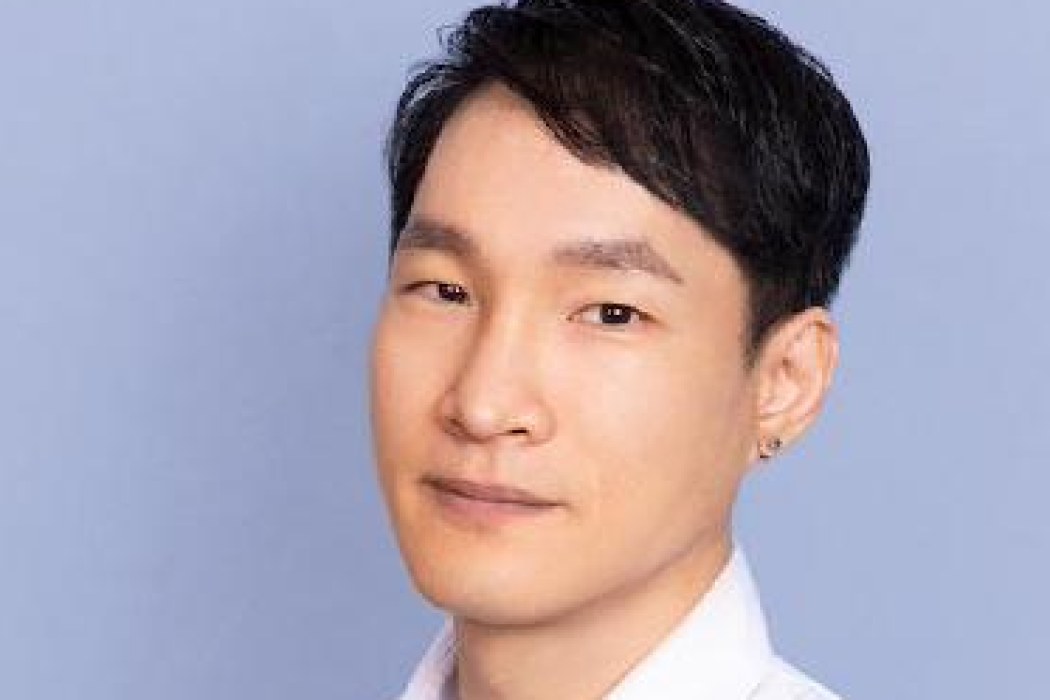
Daehwan Kim
Daehwan Kim is a computational biologist and software engineer whose genome-alignment tools - TopHat, HISAT and HISAT2 - are cited more than 78,000 times and are used by researchers worldwide to read DNA and RNA data. A former Michael L. Rosenberg Assistant Professor in the Lyda Hill Department of Bioinformatics at UT Southwestern Medical Center, he co-founded Omphalos Lifesciences, where he invented L++, a high-level programming language meant to describe living systems the way C++ describes machines. His goal is a fully programmable, simulatable virtual cell.
Omphalos Lifesciences Inc
Omphalos Lifesciences is a Dallas-based biotech software company building a programmable virtual cell platform. Founded by computational biologist Daehwan Kim - creator of the widely used HISAT and TopHat sequencing tools - the company created L++, a high-level programming language that lets biologists describe, simulate, and visualize living systems the way software engineers write code. Its Life Designer platform aims to accelerate drug discovery, precision medicine, and biomanufacturing by running experiments in silico before they hit the lab bench.

Syntensor
Syntensor builds frontier AI foundation models for cellular biology and human genetics that simulate how drugs act inside the body before a single patient is dosed. Using dynamical systems simulation and neural differential equations over multi-omics data, its platform predicts drug efficacy, systemic toxicity, and the causes of clinical trial failure, then explains the mechanism behind each prediction. Founded out of the University of Cambridge and now headquartered in San Francisco, the company aims to build an accurate, interpretable mechanistic model of human physiology that de-risks pharmaceutical R&D.
Noetik
Noetik is an AI-native biotechnology company building foundation models of human cancer biology to discover precision immunotherapies. It pairs one of the world's largest proprietary spatial-omics datasets - hundreds of millions of spatially resolved tumor and immune cells - with a high-throughput in vivo CRISPR Perturb-Map platform to train multimodal virtual cell models like OCTO-VC. These models simulate gene expression, cell states, and tumor-immune interactions, letting researchers find drug targets and predict patient response computationally. Founded in 2022 by former Recursion leaders Ron Alfa and Jacob Rinaldi, Noetik has raised roughly $62M and licenses its models to pharma, including an anchor partnership with GSK.
Shafique Virani
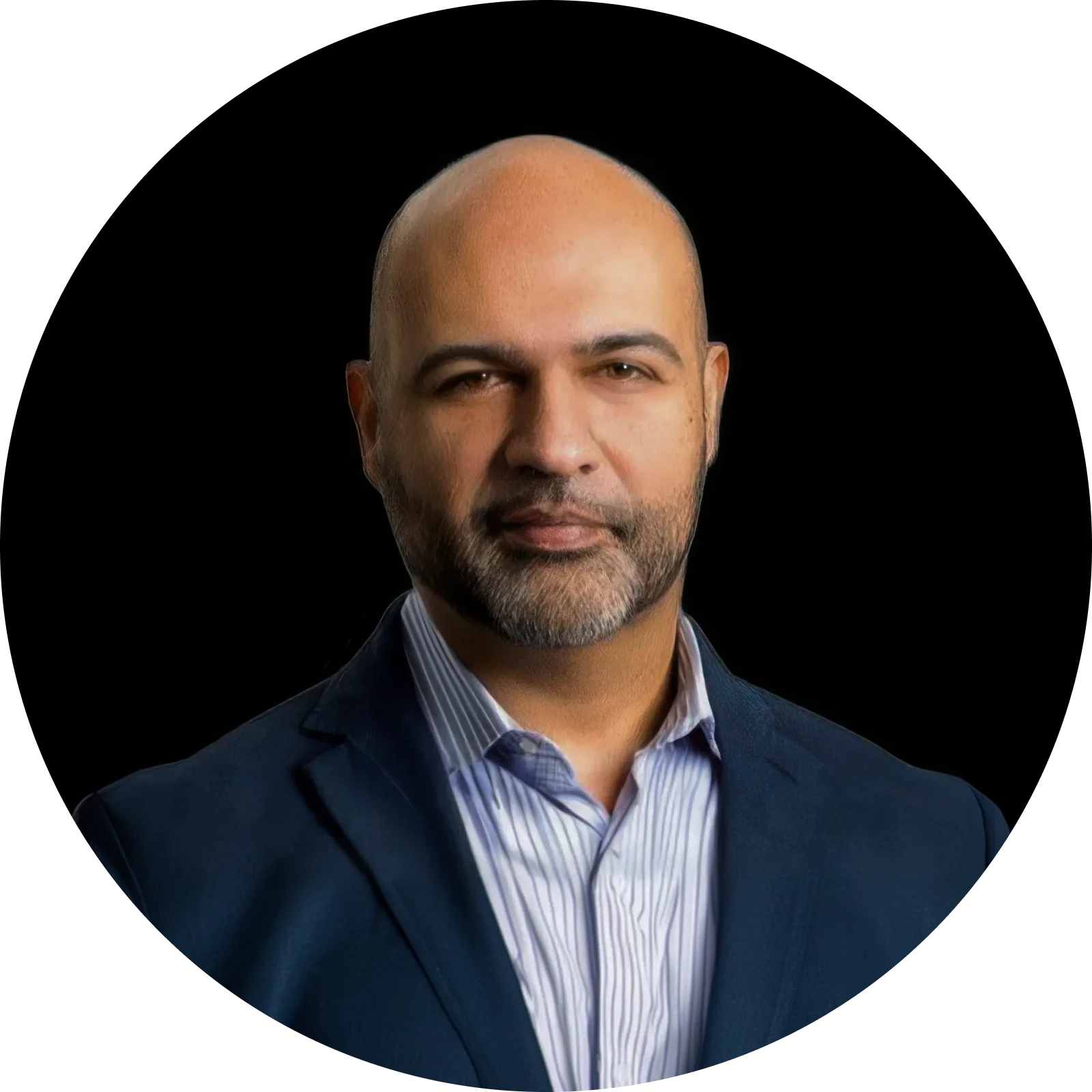
Shafique Virani is a neurosurgeon-turned-biotech dealmaker who serves as Chief Business Officer of Noetik, an AI-native cancer therapeutics company in South San Francisco. He has spent two decades turning early-stage science into landmark partnerships, including one of the largest drug discovery deals ever struck at Recursion, and earlier built a neuroscience and rare-disease portfolio at Roche/Genentech that produced approved medicines like Risdiplam and Enspryng. At Noetik he is selling a new idea to pharma: not AI services, but licensable AI infrastructure for biology.
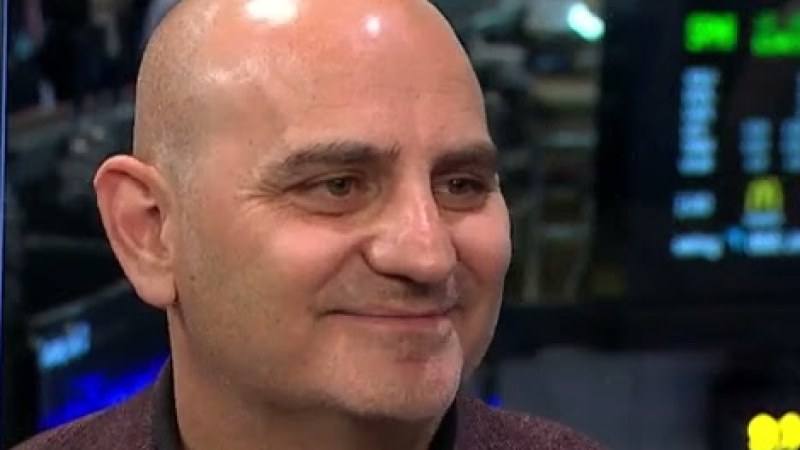
Ron Alfa
Ron Alfa is Co-Founder and CEO of Noetik, an AI-native biotech building foundation models trained on one of the world's largest collections of multimodal human tumor data. A physician-scientist with an MD-PhD from Stanford and an MA in the History of Medicine from UCL, Alfa spent six years at Recursion Pharmaceuticals rising to SVP Head of Research before co-founding Noetik in 2023. The company's OCTO-VC virtual cell models and TARIO-2 autoregressive transformer are designed to predict which cancer patients will respond to which therapies - attacking the 95% failure rate of cancer clinical trials from the data side rather than the pharmacology side. In January 2026, Noetik signed a landmark $50M licensing deal with GSK, one of the first large-scale transactions to monetize a biological foundation model as a scalable enterprise asset.