timeshare
(8)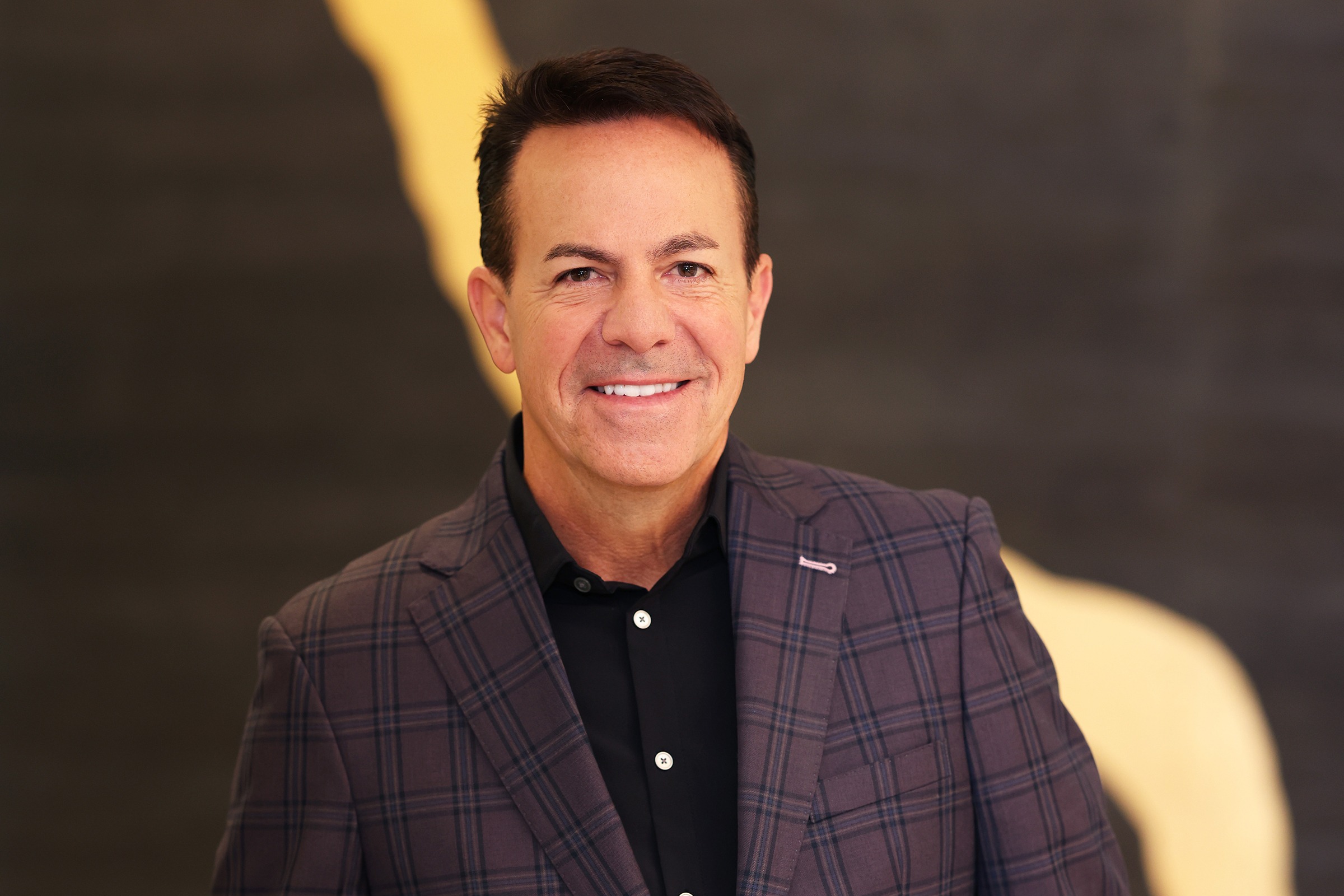
The Vacation Business Is Built on Moments. Jeff Myers Runs the Machine Behind Them.
After 35 years inside one company, Jeff Myers still treats hospitality as a people business - only now the scoreboard includes 4,400 associates, 590,000 tours and more than $2.1 billion in annual sales.
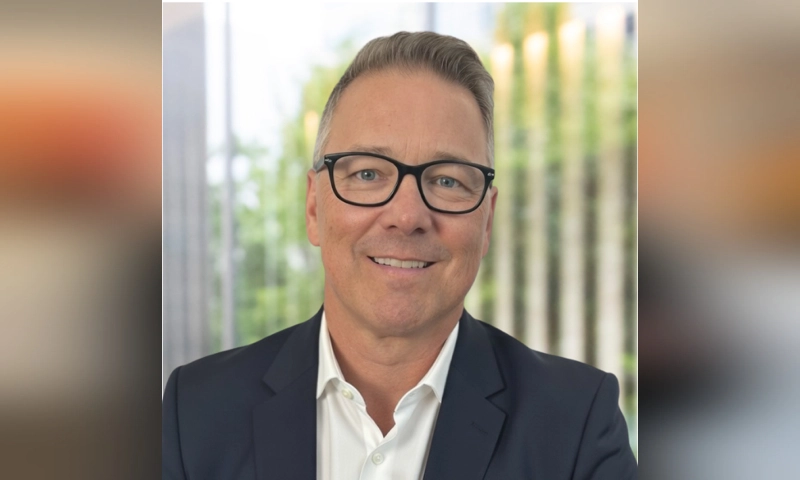
Tony Walker Sells the Vacation Before You Book It
He started on the timeshare floor and worked his way to the corner office of the biggest name in vacation ownership. The pitch never changed - only the size of the room.
Hilton Grand Vacations
Hilton Grand Vacations sells something more complicated than a hotel room: a repeatable claim on future holidays. Its real product is the machinery that turns deeds, points, loans and resort operations into a travel habit for more than 720,000 members.

Marriott Vacations Worldwide
Marriott Vacations Worldwide does not run Marriott's hotels. It runs something more intricate: a vacation-ownership machine where branded villas, consumer finance, resort management and a 3,200-resort exchange network turn one holiday into several lines of business.

Travel + Leisure Co.
The company once known as Wyndham Destinations sells the same week of vacation over and over again - and turned a 30-year-old timeshare model into a $4 billion machine built on exchange networks, deeded weeks and a magazine name.

Dusty Tonkin
He has spent nearly three decades learning how people decide to buy a piece of their own vacation. Now he runs sales and marketing for the company that turned that idea into a global business.

Caroline Shin
Caroline Shin is the CEO and co-founder of Vacatia, a San Francisco-based marketplace reinventing the $35 billion timeshare industry. A MIT nuclear engineering graduate who cut her teeth building Hotwire from the ground up and running global CRM at Starwood Hotels, she launched Vacatia in 2013 to apply technology-first thinking to an industry that had barely touched the internet. Under her leadership, Vacatia has raised $46.8M across multiple rounds, acquired several resort management companies, grown to 750+ industry partners, and expanded to manage 4,750 resort units across eight states.

Vacatia
Vacatia is a hospitality company reinventing the timeshare experience. It runs a marketplace for buying, selling, and trading vacation ownership interests, and increasingly manages the resorts behind those interests - bringing modern booking technology and owner services to a category that hadn't seen much of either.