ticketing
(9)
LiveAgent: The Slovak Help Desk That Quietly Serves 150 Million People
Built in 2004 by Quality Unit to fix its own inbox, LiveAgent now runs customer support for more than 40,000 companies from offices in Bratislava, Kyiv and New York - without a cent of venture money.

Plain and Gladly Are Both Trying to Kill the Support Ticket
Two startups, two very different customers, one shared enemy. Plain wants developers to forget the inbox; Gladly wants retailers to forget the case number. Here is what the end of the ticket actually looks like.

Thena Wants to Kill the Support Ticket, Starting Inside Slack
A four-founder startup out of Branch is betting that B2B support belongs where customers already talk - Slack, Teams, email - and that AI agents, not queues, should do the routing. The incumbents it is chasing are Microsoft, Atlassian, Oracle, EasyVista, and Text.

LiveAgent Built a 150-Million-User Help Desk on Zero Funding
Two Slovak developers couldn't find a support tool they liked, so they wrote their own. Twenty years later LiveAgent handles customer service for 40,000 companies - and Quality Unit still hasn't taken a cent of outside money.
Why Customer Support Software Is Having an Identity Crisis
SAP, ServiceNow, Gorgias, Kayako, Supportbench and Thena are all chasing the same promise - support that resolves itself. Here is who is actually building it, and who is just bolting AI onto an old inbox.

How Oracle, Groove, SysAid and LiveAgent Split Support
Four companies, four very different bets on how a business should answer its customers - from Oracle's enterprise heft to a bootstrapped help desk built in Slovakia.

TeamSupport Reads the Room Before Your Customer Rage-Quits
The Dallas B2B software company built its whole pitch on a quiet idea - that the first sign a customer is about to leave is buried in an ordinary support ticket. Now it wants AI to catch that signal before anyone hits cancel.
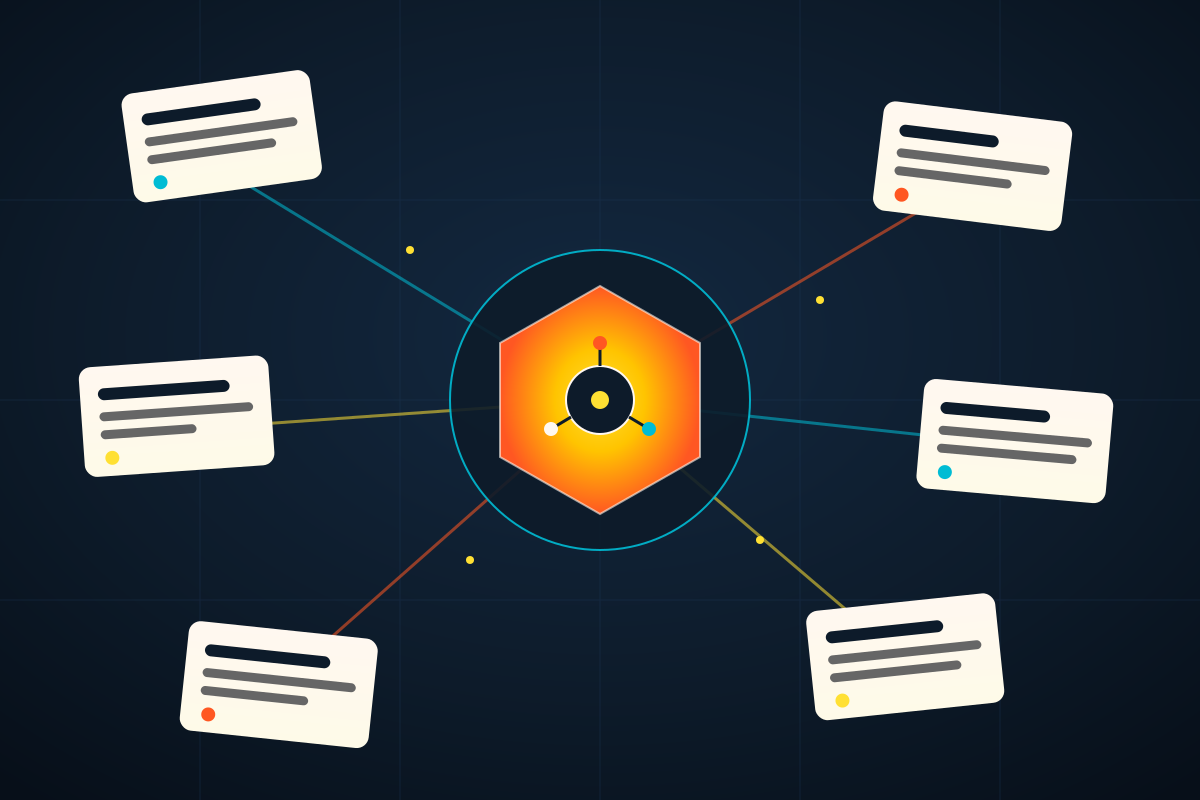
Help Desk Software's AI Arms Race, From Dixa to Oracle
Six help desk platforms - Dixa, Front, Thena, Oracle, InvGate and Jitbit - are betting that software can close your support tickets faster than the people you hired to answer them. Here is how they actually differ.
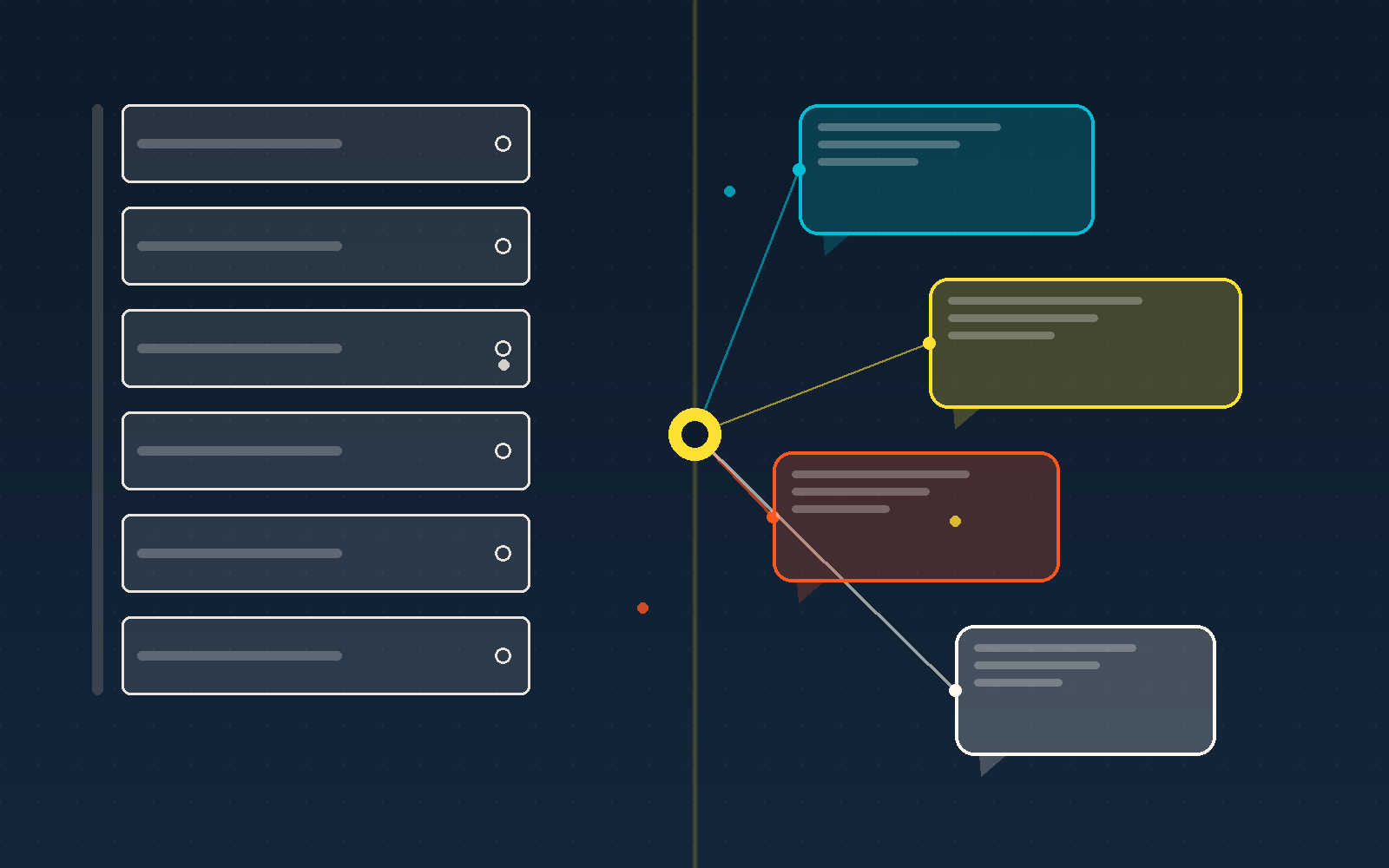
Help Desk Software Split in Two, and B2B Won
For twenty years every company bought the same ticket queue. Now B2B support has walked out of the inbox and into Slack, and a new class of tools is racing to catch it.