supply-chain-risk
(30)
Govini and the expensive art of finding a missing part
A missile can outlive the company that made its components. Govini built a business tracing those hidden dependencies - and, as Air, is taking on the larger problem of keeping defense ready.
Resilinc knows who supplies your suppliers
The expensive surprise is often several factories away. Resilinc maps the hidden dependencies behind a product, then connects disruption alerts to the parts, sites and decisions that matter.

SiliconExpert and the expensive art of spotting trouble early
A working circuit is only the beginning. SiliconExpert helps electronics teams discover which parts might disappear, become hard to buy, or bring unwelcome paperwork along for the ride.
Accrete and the things nobody writes down
The expensive part of expertise is often the part missing from the manual. Accrete wants to turn that unwritten knowledge into software that can trace a supplier, follow a narrative and question an IT change.
Sayari and the Art of Following the Paper
A company can have a spotless name and a rather inconvenient family tree. Sayari connects corporate records and trade routes to show banks, businesses, and investigators who is really on the other side of a deal.
Supplyframe and the trouble with a perfect part
A component can be perfect on paper and impossible to buy. Supplyframe built a business around closing that gap - before it becomes a factory’s problem.

The Most Interesting Company Is the One Behind the Company
WireScreen turns scattered Chinese corporate records into a map of ownership, influence, and risk. Its bet is that the decisive fact about a business often sits several companies away.
The Company Directory That Learned to Worry About Its Neighbors
Craft began by mapping companies. Then supply chains taught it a sharper question: which company, somewhere beyond your supplier, could make tomorrow go wrong?
The Consultants Who Walk Into the Room After Everyone Stops Talking
Fontheim International built a business in the awkward space between a boardroom promise and the people expected to believe it. Its most revealing work begins when a policy problem has become a trust problem.
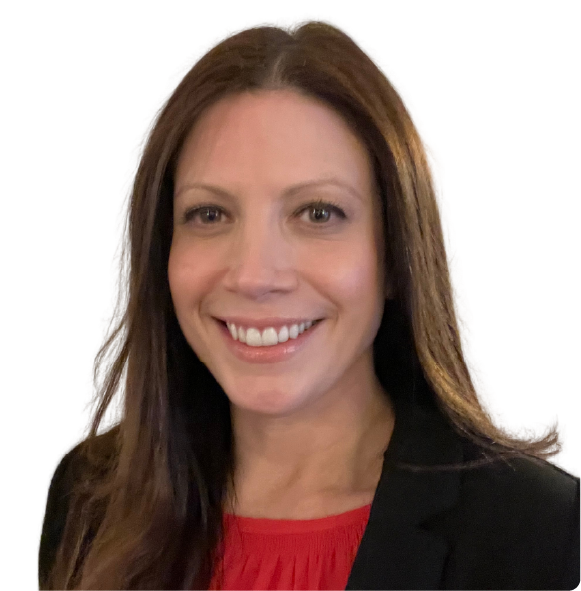
Lauren Weiner Makes the Numbers Tell a Better Story
The RapidRatings CMO has spent two decades turning complicated financial technology into stories people can act on - and insisting that marketing earn its seat at the table with evidence.
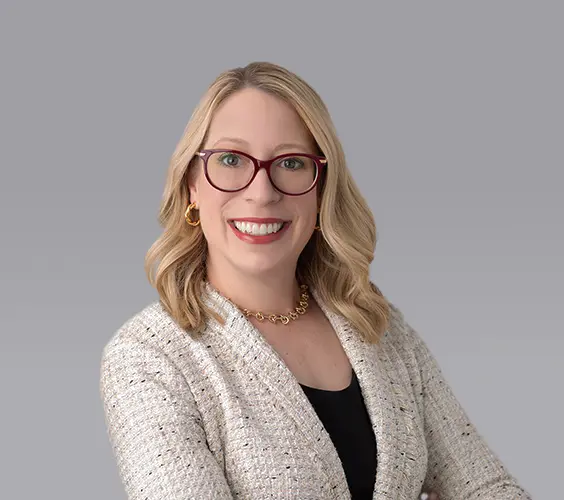
Gretchen Eischen Makes Complicated Companies Easy to Understand
She studied language, learned procurement from the customer side, and found her calling in marketing. At Avetta, Gretchen Eischen is using the same skill again: turning complexity into a promise people can repeat.

Exiger Put the Supply Chain Under an X-Ray - Now It Wants to Tell You What Breaks Next
The company began by helping banks survive regulatory scrutiny. A decade, several acquisitions and one decisive divestiture later, it is selling a more ambitious promise: see every hidden dependency before it becomes an expensive surprise.
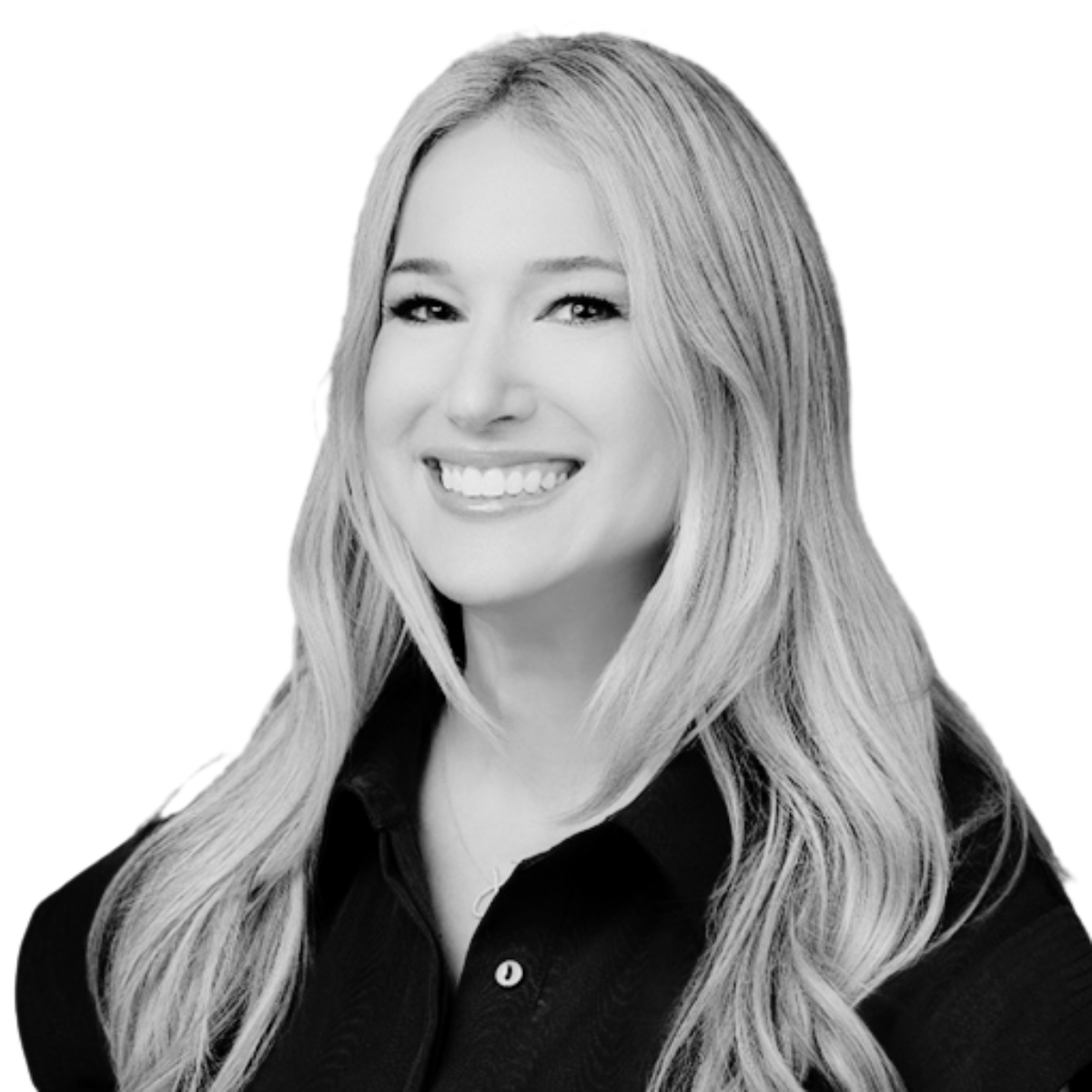
Kody Gurfein Built a Marketing Career on the Hardest Product to Fake: Clarity
She joined Exiger to build marketing from zero. A decade later, the English literature graduate is arguing that in an AI-mediated market, a company's clearest story may be part of its technical infrastructure.

UpGuard Turned a Month-Long Vendor Security Review Into One Week
Its pitch to lean security teams is refreshingly practical: stop chasing questionnaires and disconnected alerts, then turn outside-in evidence into a decision someone can defend.
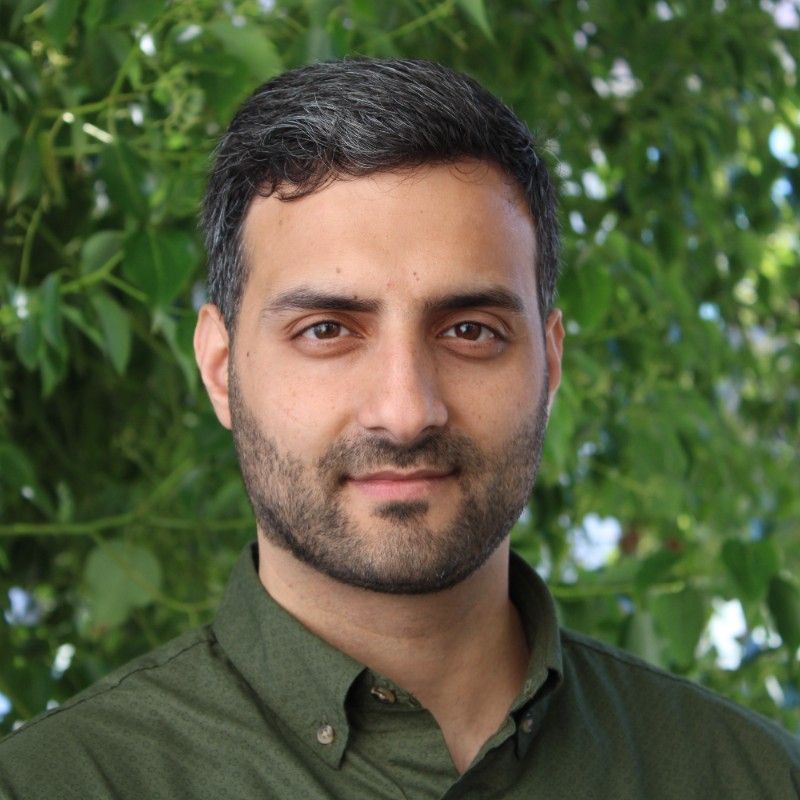
Mohammad Ahmad Is Making the Invisible Supply Chain Legible
His career began in the unglamorous details of electronic components. A decade into Z2Data, Mohammad Ahmad is still betting that clean, connected information can turn supply-chain panic into preparation.
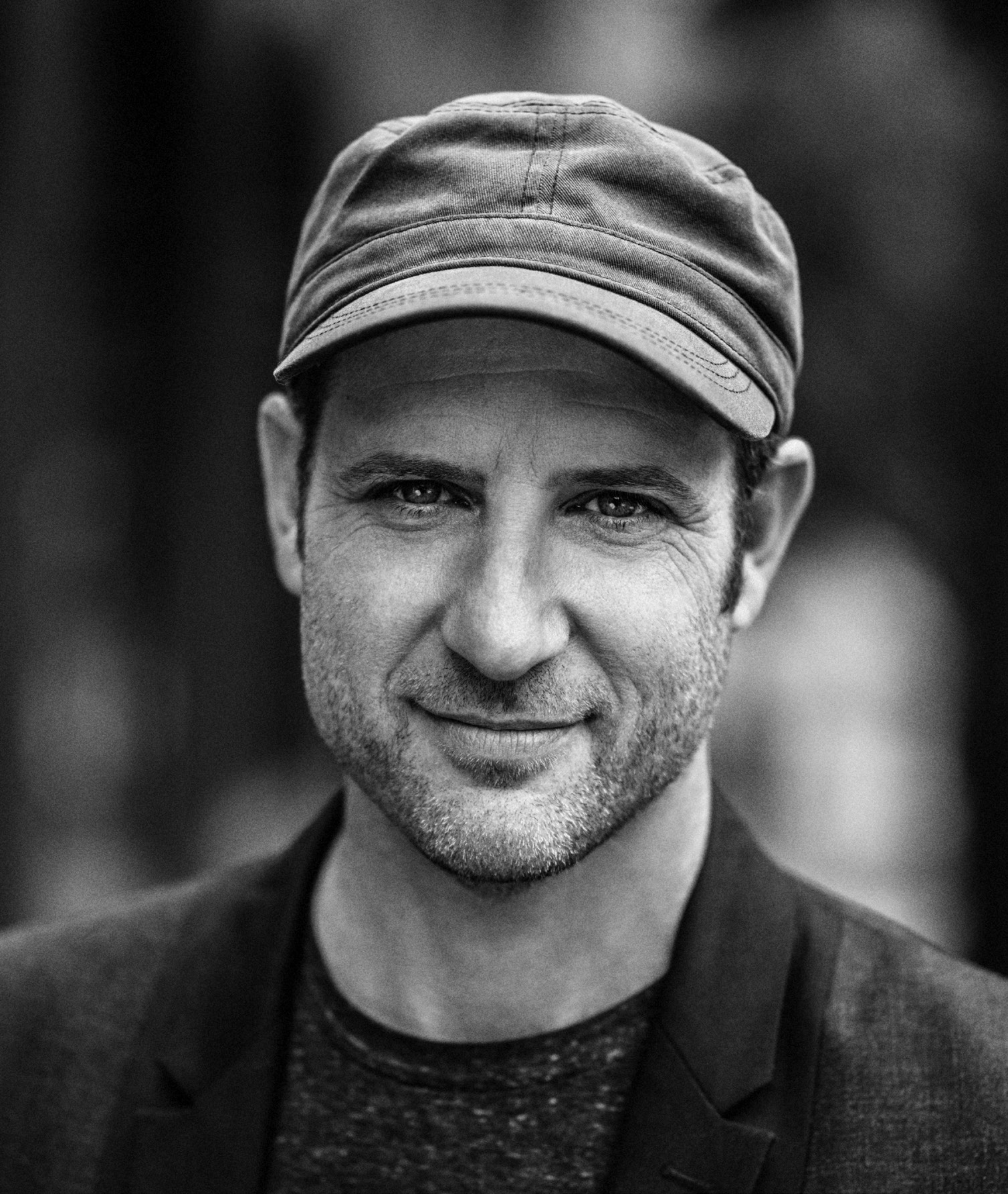
Justin Dillon Turned a Protest Song Into Supply-Chain Software
A touring musician followed one uncomfortable question from a Russian club to the State Department, a viral consumer tool and the procurement departments of global companies. Now FRDM AI is joining WiseTech - proof that Dillon's longest-running composition was a supply chain.
Part Analytics Bet Procurement Teams Were Done With Spreadsheets - Then Customers Rewrote the Product
Two former GE HealthCare operators built the electronics sourcing system they wished they had. Their useful trick was letting early customers pull it from a BOM tool into a broader operating layer for procurement - and the reported results explain why Altium bought it.
FRDM AI Mapped the Supply Chain's Blind Spots - Then Landed a $10 Million Exit
Justin Dillon moved from anti-slavery films to the unglamorous plumbing of procurement. FRDM's wager was that six billion trade records could reveal what supplier questionnaires miss - and WiseTech decided that wager belonged inside the operating system for global trade.
Sphera
Sphera sells the software behind decisions most people never see: whether a factory job is safe, a chemical is compliant, a supplier is fragile, or a product's carbon claim can survive an audit. Its bet is that those answers become more useful when they live in one system.
Plutto
Plutto is a Santiago-based KYB (Know Your Business) and due diligence platform for Latin America. It lets financial services, procurement, legal and compliance teams verify and continuously monitor the businesses they work with - vendors, clients and partners - by pulling legal, financial, tax and labor data from 15+ official sources, screening against sanctions and PEP lists, and producing auditable, AI-summarized risk reports. What once took lawyers weeks and cost about $100 per client now runs in minutes for a few dollars per check.

YC World
YC World is a counterparty and corporate network risk investigation platform built by Ukrainian open-data developer YouControl. It consolidates official company records, ownership networks, sanctions lists, politically exposed persons and other risk signals across 80+ jurisdictions into a single searchable, graph-based workspace, helping compliance teams, investigators and law enforcement run AML, KYC and KYB checks and expose hidden ownership and sanctioned connections.

Fair Supply
Fair Supply is a Sydney-based ESG risk-intelligence SaaS company that maps global supply chains up to 10 tiers deep. Founded in 2019 by human rights lawyer Kimberly Randle and industrial mathematician Dr Arne Geschke, it uses a Multi-Regional Input-Output (MRIO) methodology across more than 60 billion mapped supply-chain connections to help companies and investors measure and manage modern slavery, Scope 1-3 carbon emissions, biodiversity and water-use risk. Dubbed the 'Google for ESG', it turns a supplier list and annual spend into auditable, regulation-aligned risk reports.

Brainchain AI
Brainchain AI is a New York-based artificial intelligence company that scans the world's public data in near real time to predict and mitigate global supply chain disruptions. Its platform combines natural language processing, language modeling and time-series forecasting to spot anomalies across news, government regulations, financial markets and commodity reports, then helps global brands and governments position ahead of price dislocations and keep supply and demand in balance. Founded in 2023 and led by CEO Roman Vintfeld, the company has raised roughly $1.89M to build what it describes as an 'immune response' for the world's supply chains.
Supply Wisdom
Supply Wisdom is a New York-based SaaS company that delivers real-time, continuous third-party and location risk intelligence. Its platform monitors suppliers and business locations across seven risk domains - financial, cyber, operational, compliance, ESG/sustainability, nth-party, and location - tracking 350+ risk metrics and pushing early-warning alerts so enterprises can act before a disruption hits. Its clients are Fortune 100 and Global 2000 firms in financial services, insurance, healthcare, and technology.

Jenna Wells
Jenna Wells is the Chief Executive Officer and a board member of Supply Wisdom, a real-time risk intelligence platform based in New York. A former U.S. Marine Corps signals intelligence officer and Purdue University graduate, she spent nearly two decades in intelligence and third-party risk management, including leadership roles at Wellington Management and Iron Mountain, before joining Supply Wisdom. She rose through the company from Head of Customer Experience to Head of Product to Chief Operating Officer, and was named CEO in June 2025 alongside a $14 million Series B funding round led by Jurassic Capital. Notably, she used the Supply Wisdom platform as a customer before joining the team that builds it.
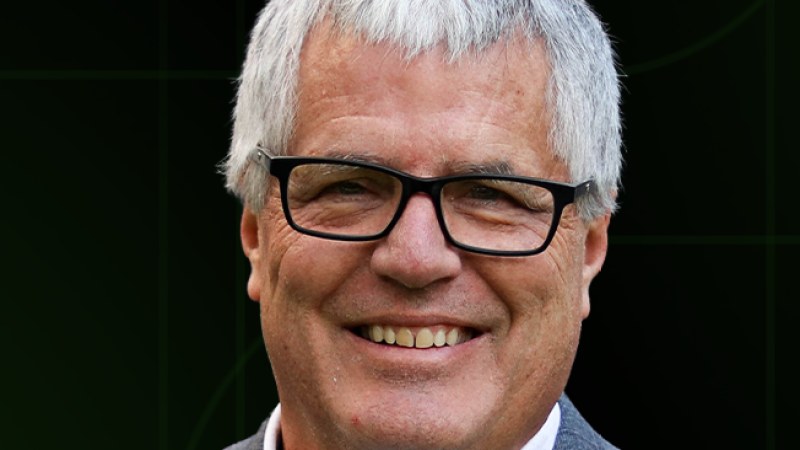
Paul Paget
Paul Paget is the CEO of Black Kite, a Boston-based third-party cyber risk platform he joined in 2019 after a career running cybersecurity companies including PwnieExpress, Savant Protection, and Core Security Technologies. A Bowdoin history major turned career security operator, he has built and sold a string of security businesses and now leads Black Kite in the security ratings market.
Altana
Altana builds the AI-powered network for trusted global trade - a dynamic, intelligent map of the world's supply chains. Using federated machine learning, it connects businesses, the largest logistics providers, and government agencies around a shared, privacy-preserving source of product and supplier intelligence, helping them manage compliance, tariffs, risk, and resilience across multi-tier supply networks.
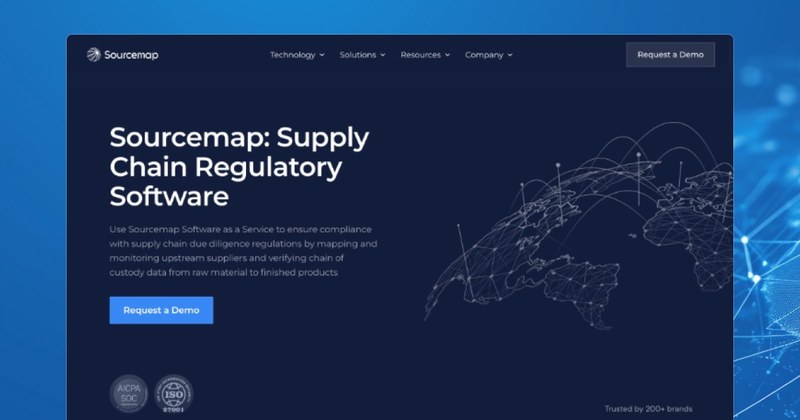
Sourcemap: the Supply Chain Mapping Company
Sourcemap is a New York-based enterprise SaaS company that maps global supply chains down to the raw-material origin. Born as a research project at the MIT Media Lab, it gives compliance and sourcing teams end-to-end, verified visibility across multi-tier supplier networks - helping Global 1000 brands meet forced-labor, deforestation, tariff and ESG regulations while reducing disruption risk.
Aravo Solutions
Aravo Solutions is a San Francisco-based enterprise SaaS company that builds cloud software for third-party risk, governance, and compliance. Its Intelligence First Platform - now wrapped with an AI agent layer called Aravo AI - helps Fortune 500 companies manage vendors, suppliers, and partners across 154 countries and 36 languages.

Michael Saracini
Michael Saracini is the CEO of Aravo Solutions, a San Francisco-based enterprise SaaS company he has led since 2011. With over two decades building profitable high-growth software businesses across CRM, HCM, and supply chain, Saracini has positioned Aravo as the category-defining platform for third-party risk management - managing 10.5 million suppliers and vendors across 177 countries for global enterprises in financial services, pharma, high-tech, and consumer goods. Under his leadership, Aravo has earned five consecutive Chartis Category Leader designations, won the 2025 TPRM Innovator Award, and built an AI-driven TPRM platform trusted by Fortune 500 companies navigating an era of regulatory complexity.