stock-analysis
(6)
Seeking Alpha sells the argument before you buy the stock
A former Wall Street analyst opened the research room to outsiders. Seeking Alpha now sells investors a way to test the crowd against the numbers - and, increasingly, a way to get through both before lunch.

Joseph Carlson Put the Portfolio on Camera
He put his brokerage account on camera in 2019. Seven years later, Joseph Carlson has turned the habit of showing his work into a show, a second channel and a stock research business.
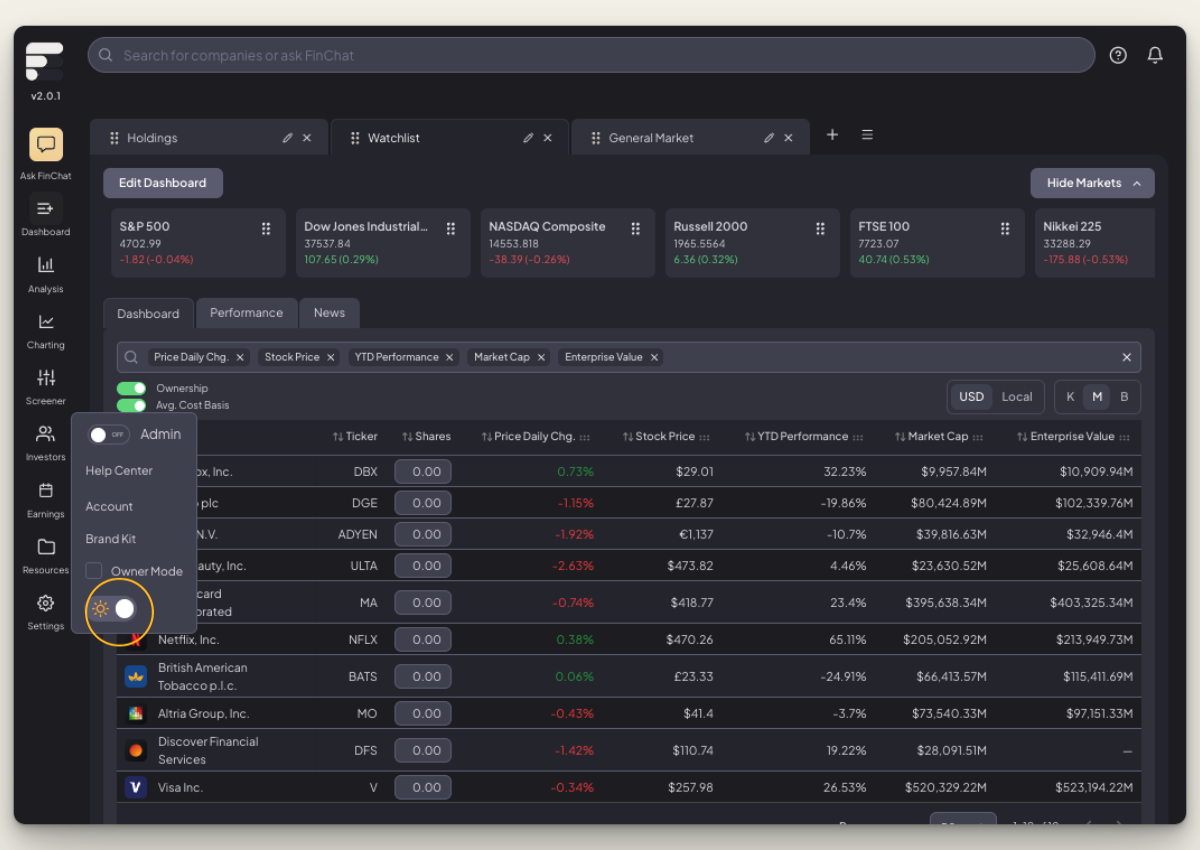
FinChat Put Wall Street’s Filing Cabinet in a Chat Window
The product once pitched as “ChatGPT for finance” grew into Fiscal.ai, a serious research terminal with unusually deep company KPIs. It can save an analyst hours, provided the analyst still checks the footnotes.

Dylan Jovine Learned the Market's Cruelest Lesson at $2.43 a Share
Before Dylan Jovine built research firms for individual investors, one Thanksgiving trade erased 90% of his savings. The mistake still explains how he reads companies, risk and the seduction of certainty.

Simply Wall St
Simply Wall St is a Sydney-based fintech that turns complex financial data into simple, colorful visuals so everyday people can research and analyze stocks with confidence. Best known for its 'Snowflake' infographic that grades companies across valuation, growth, financial health, past performance and dividends, the platform covers 120,000+ stocks across 90 global markets and is used by more than 7 million investors worldwide. Founded in 2014 by Al Bentley, it operates a freemium subscription model and has grown from a visual research tool into an integrated portfolio and community investing platform.
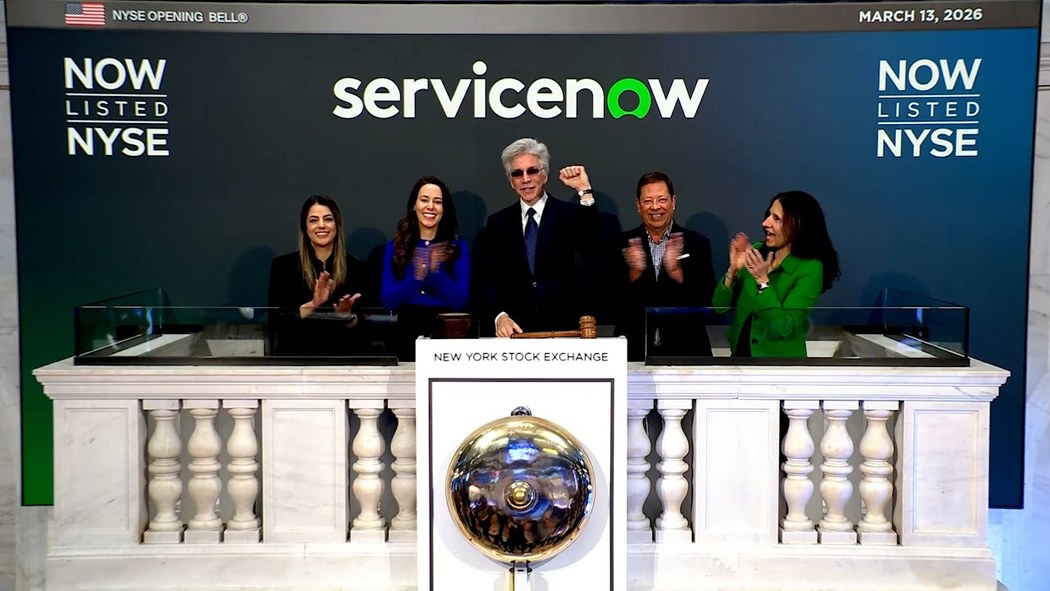
Is ServiceNow a Casualty of the AI Transition? A Deep Dive Valuation
In this episode of the Liam Highland portfolio, the host runs a complete deep-dive valuation of ServiceNow after its stock dropped 18% in a single session on its Q1 2026 earnings—the biggest one-day fall in its history—leaving it down 43% year to date and 57% off its ~$220 billion peak. The analysis argues the sell-off is not about near-term numbers (ServiceNow beat guidance, raised its full-year outlook, grew subscription revenue 22%, and holds a 97% renewal rate) but about the market repricing the company's 'terminal value' on fears that AI agents could commoditize the workflow layer. Using a seven-layer enterprise data stack and a software repricing matrix, the host builds bear, base, and bull cases with specific share-price ranges, then lays out four signals (demand, profit, AI monetization, and the moat) plus four dated earnings checkpoints to test which scenario the data confirms.