smart-kitchen
(6)
The Recipe Was Only the Beginning
SideChef began by teaching one uncertain cook what to do next. The useful surprise was that the same instructions could connect dinner plans, grocery carts, appliance screens and the companies that pay to appear along the way.
Qu Is Rebuilding the Restaurant Stack Around the Moment the Wi-Fi Dies
The restaurant-tech company won enterprise chains by treating downtime, menu sprawl and disconnected orders as one systems problem. Now it is turning that plumbing into an AI and payments business.

Suvie Put a Fridge Inside an Oven - Then Learned the Real Business Was Dinner
The Cambridge startup spent a decade turning a four-zone, $1,200 contraption into a smaller two-zone system sold from $149 with a meal commitment. Its useful lesson is less about robots than about finding the one household job automation can actually own: making dinner wait for you.
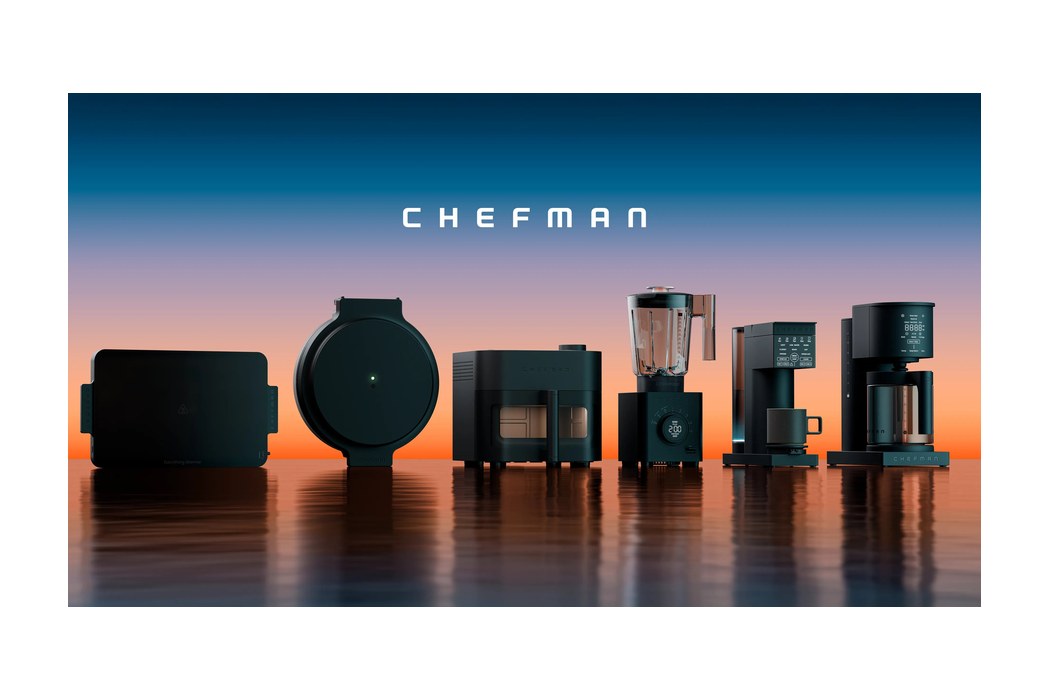
How an $18,000 Closeout Bet Built a $400 Million Kitchen Business - and Why Its Smartest Move Was a Factory Saying No
Chefman won shelf space with affordable appliances. Then it used the cash to build CHEF iQ - a connected kitchen system whose most important ingredient may be the factory that refused to make it.
The Instant Pot Sold Millions Without an Ad. Then the Debt Cooked It.
A computer scientist built a smarter pressure cooker, sold millions on word of mouth, and watched private equity turn a viral kitchen hit into a bankruptcy case study. Here is what the Instant Pot did, what it cost, and what a founder can actually copy.

Hyphen
Hyphen builds the Makeline, an automated meal-assembly system that sits beneath a restaurant's counter and portions and plates digital and takeout orders while staff handle the guest-facing line above it. Paired with its CulinaryOS software for menus, orders, inventory and labor, the San Jose company aims to raise peak-hour throughput and order accuracy without replacing kitchen workers. Founded in 2020 by Stephen Klein and Daniel Fukuba, Hyphen has raised roughly $59M and counts Chipotle and Cava among its strategic investors and pilot customers.