skin-analysis
(4)
Canfield Scientific and the art of taking the same picture twice
A better camera is only the beginning. Canfield Scientific has built a business around making skin photographs repeatable enough to measure change - from a cosmetic consultation to a clinical trial.

Omy Lab Started With No Capital. Now It Puts 20,000 Formulas Behind One Skin Quiz
Two students turned contest winnings and a borrowed university lab into a skincare factory built for people the beauty aisle overlooks. Their useful trick was not AI alone - it was owning the messy work between the quiz, the formula and the filling line.
Belle.ai
Belle.ai (legally BelleTorus Corporation) is a Cambridge, Massachusetts company building AI that reads skin from an ordinary smartphone photo. Its Belle 1K Skin AI engine uses geometric image analysis to surface comparable references across more than 1,600 skin conditions and to produce objective severity scores for immune-mediated diseases like psoriasis, eczema, acne, vitiligo and alopecia. The goal is practical: give general practitioners, estheticians and providers in places with few dermatologists a tool to assess, document and track skin at the point of care. The technology is used across more than 60 countries and 1,000-plus provider sites, and the company has drawn contracts and recognition from ARPA-H and CMS.
Yongjoon Choe
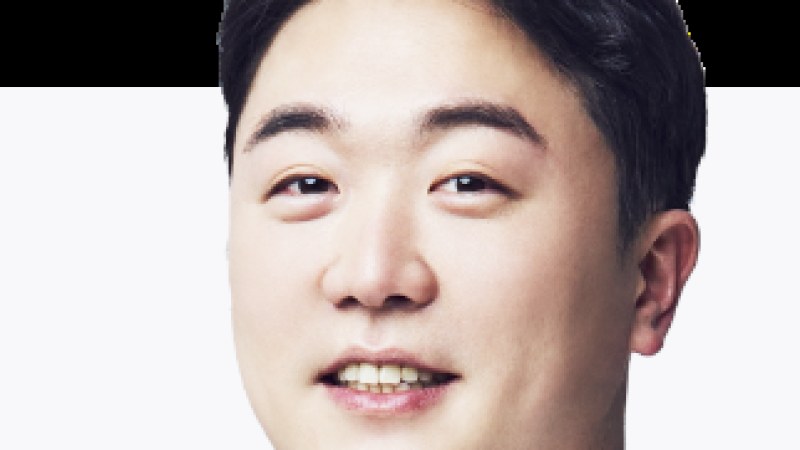
Yongjoon Choe is the founder and CEO of lululab, the Seoul-based AI skincare company that spun out of Samsung's C-Lab in 2017. He turned a genome-sequencing detour at Harvard into Lumini, a system that reads ten-plus skin conditions from a single face photo in about ten seconds and recommends products to match. Under Choe, lululab has won CES Innovation Awards four years running and built its diagnostics on a deep-learning model trained on millions of skin-data points.