seed-stage-founder
(6)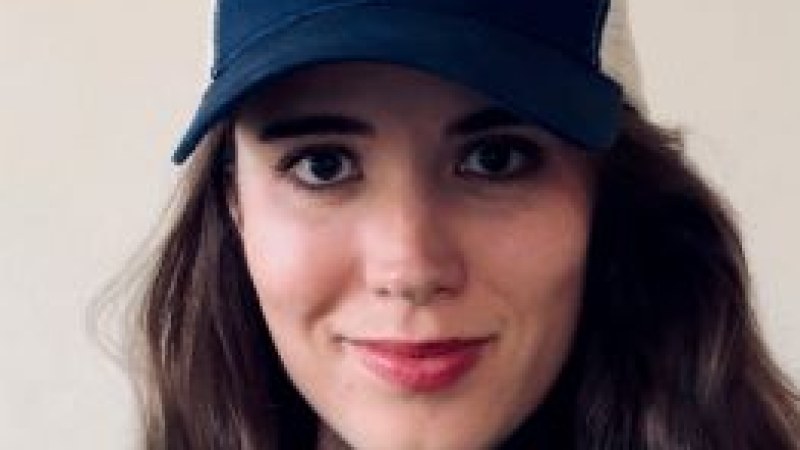
Jayce Hafner
Jayce Hafner is the co-founder and CEO of FarmRaise, a farm financial software startup that turns the maze of USDA paperwork and cash-flow tracking into something a farmer can finish on a phone in minutes. A cattle farmer's daughter from Virginia's Shenandoah Valley, she spent years in environmental policy - lobbying Congress, organizing UN climate delegations, and working on Apple's sustainability team - before deciding that real change in agriculture would come from tools, not talk. She holds an MS in agriculture and an MBA, both from Stanford, and has grown FarmRaise past 20,000 farmers on a mission to make farming more profitable, resilient, and equitable.
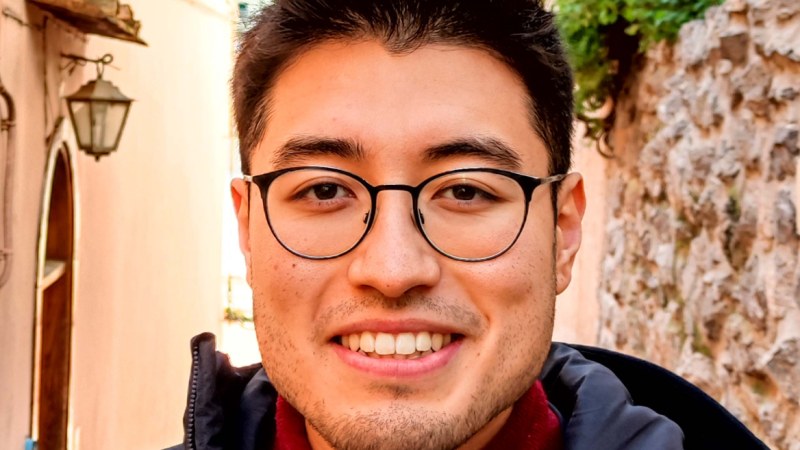
Baptiste Bouvier
Baptiste Bouvier is the founder and CEO of Daptic (formerly DiploAI), a New York-based AI startup building regulatory intelligence infrastructure for global manufacturers. The platform monitors more than 10,000 regulatory sources worldwide, flags changes within 24 hours, and helps engineering, product, and compliance teams act on obligations early. Raised between Tokyo, Sydney, London, and Boston by entrepreneur parents, Baptiste studied computer science and political science at MIT and public policy at Oxford, taught negotiation, founded MIT's first entrepreneurship club, and worked at McKinsey before turning regulatory bottlenecks into a company.
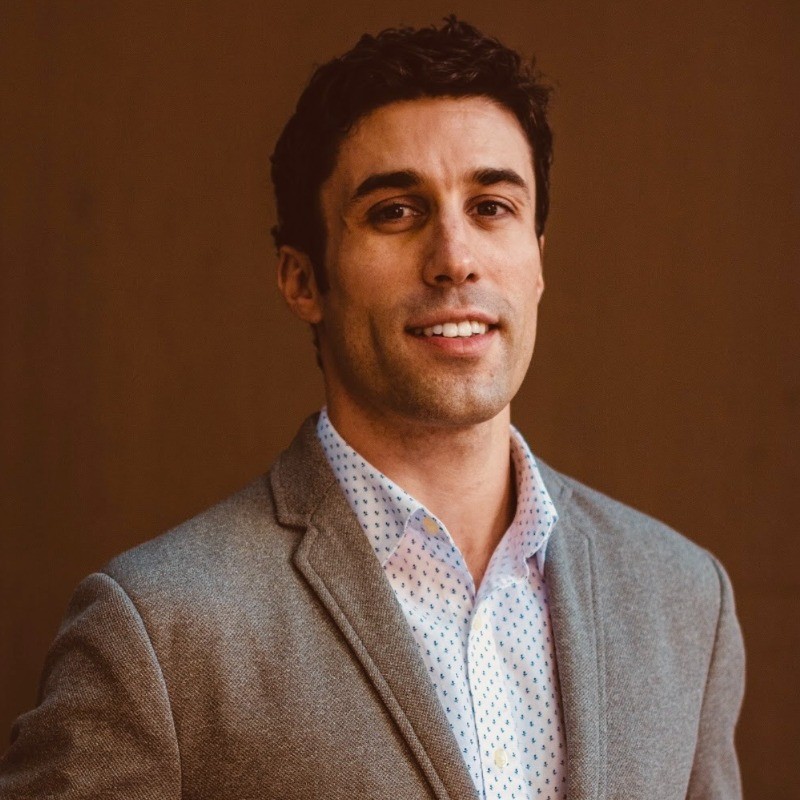
Diego Asenjo
Diego Asenjo is the CEO and co-founder of Mesh, an Austin-based B2B identity startup that verifies the legitimacy, licensing, insurance, and compliance of small businesses and sole proprietors in real time. A former Amazon product leader who built Business Prime into a multi-billion-dollar program, Diego left to fix a problem he 'could not unsee': the broken data infrastructure that quietly penalizes new, small, and micro businesses. His mission is personal, rooted in watching his father's small auto-parts shop in Argentina lose access to fair credit and opportunity as commerce went digital. Mesh raised a $5.7M seed round led by Greycroft and reports 99%+ satisfaction from the businesses it verifies.
Eric Rodriguez
Eric Rodriguez is the CEO and co-founder of Vendorflow, a Los Angeles SaaS company building the communications layer for trucking and logistics. After a decade in venture-backed startups - spanning restaurant analytics, document-management SaaS, and clinical research - he landed in freight at NEXT Trucking, where he met his technical co-founder Greg Bujak. Vendorflow unifies voice, SMS, WhatsApp, and ELD messaging into a single shared inbox that sits on top of the TMS, so dispatch and operations teams can work driver and carrier conversations in one place. The company raised $1.3M in seed funding in October 2021, led by TenOneTen Ventures. A UC Berkeley Haas graduate with degrees in business and economics, Eric once invented a 'Strategic Philanthropy' course and pitched it from the TEDxBerkeley stage.
Jamie Albers
Jamie Albers is the co-founder and co-CEO of Mento, a Los Angeles career-health company that pairs people with coaches who blend 80% coaching and 20% hands-on mentorship from operators who have done the job before. A University of Pennsylvania grad who spent five years across Google and then ran growth and marketing at Jigsaw, she built Mento after her own executive coach reshaped how she led and felt at work. Mento has raised about $11.5M, including a $6M seed in 2023 backed by M13, and is now folding AI into coaching to make high-quality guidance affordable at scale.
Vish Srivastava
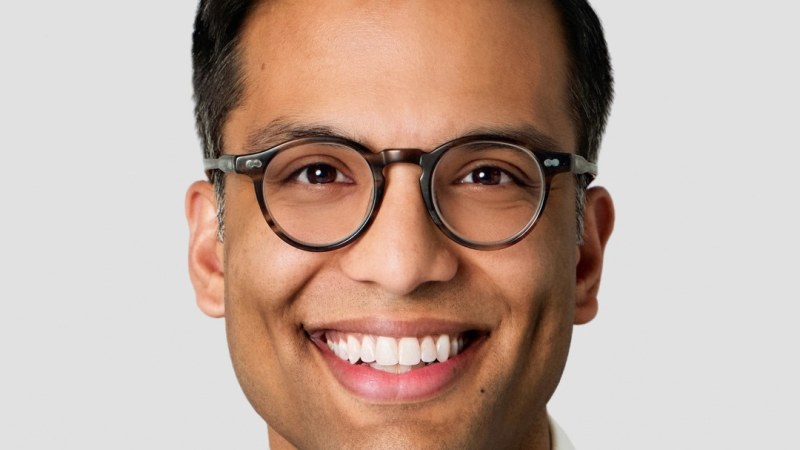
Vish Srivastava is the co-founder and CEO of Century Health, a New York based AI company turning the messy, unstructured clinical notes buried inside electronic health records into structured, analyzable real-world evidence. Century's abstraction engine, CHARM, reads doctors' notes and pathology reports and pulls out clinical variables with 97% validated accuracy while keeping traceability back to the source document. The company focuses on therapeutic areas like gastroenterology, neurology, and rheumatology, and raised an oversubscribed $5M seed round in May 2026 led by Origin Ventures. Srivastava's pitch is simple and stubborn: the data needed to accelerate medical breakthroughs has already been collected during patient care; it just needs to be made accessible and actionable.