schizophrenia
(4)
Joan Shen
Joan Huaqiong Shen is the founder and CEO of NeuShen Therapeutics, a clinical-stage biotech with R&D centers in Shanghai and Boston that develops treatments for psychiatric and neurological disorders. A physician-scientist trained in psychiatry and neurology, she spent decades leading central-nervous-system drug programs at Eli Lilly, Wyeth, Pfizer, Hengrui and Johnson & Johnson before running R&D and serving as CEO at I-Mab Biopharma, where she took the company public on Nasdaq and struck a global partnership with AbbVie. In 2026 NeuShen closed a Series A+ round led by Lilly Asia Ventures as its lead compound NS-136 advanced into Phase 2 trials.
Sam Clark
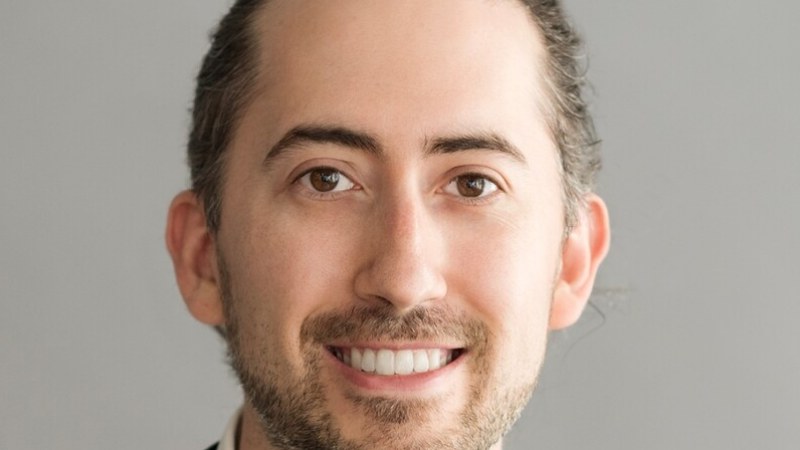
Sam Clark, MD, PhD, is the founder and CEO of Terran Biosciences, a CNS-focused platform biotech he started in 2017 from his medical school dorm room with $10,000. A neuroscientist trained at MIT and Columbia, Clark has built one of the largest psychedelic development programs in the industry, is the named inventor on more than 200 patent applications, and holds the world's first patents for new forms of psilocybin and MDMA. Terran pairs a medicinal-chemistry drug design engine with an FDA-cleared neuroimaging software platform and a pipeline of late-stage assets licensed from Sanofi and Pierre Fabre.

Tom Large
Tom Large is the CEO and co-founder of Blue Oak Pharmaceuticals, a Waltham, Massachusetts startup hunting for the next generation of medicines for brain disorders. A neurobiologist by training, he spent two decades inside big pharma - leading neuroscience research at Eli Lilly and running preclinical research and translational medicine at Sunovion - before launching Blue Oak in 2016 to chase drugs with genuinely new mechanisms for bipolar depression, schizophrenia and treatment-resistant depression. His teams pioneered a target-agnostic approach to CNS drug discovery, and he later partnered with AI specialist Exscientia to design 'bispecific' small molecules that hit two targets at once.
Asa Abeliovich
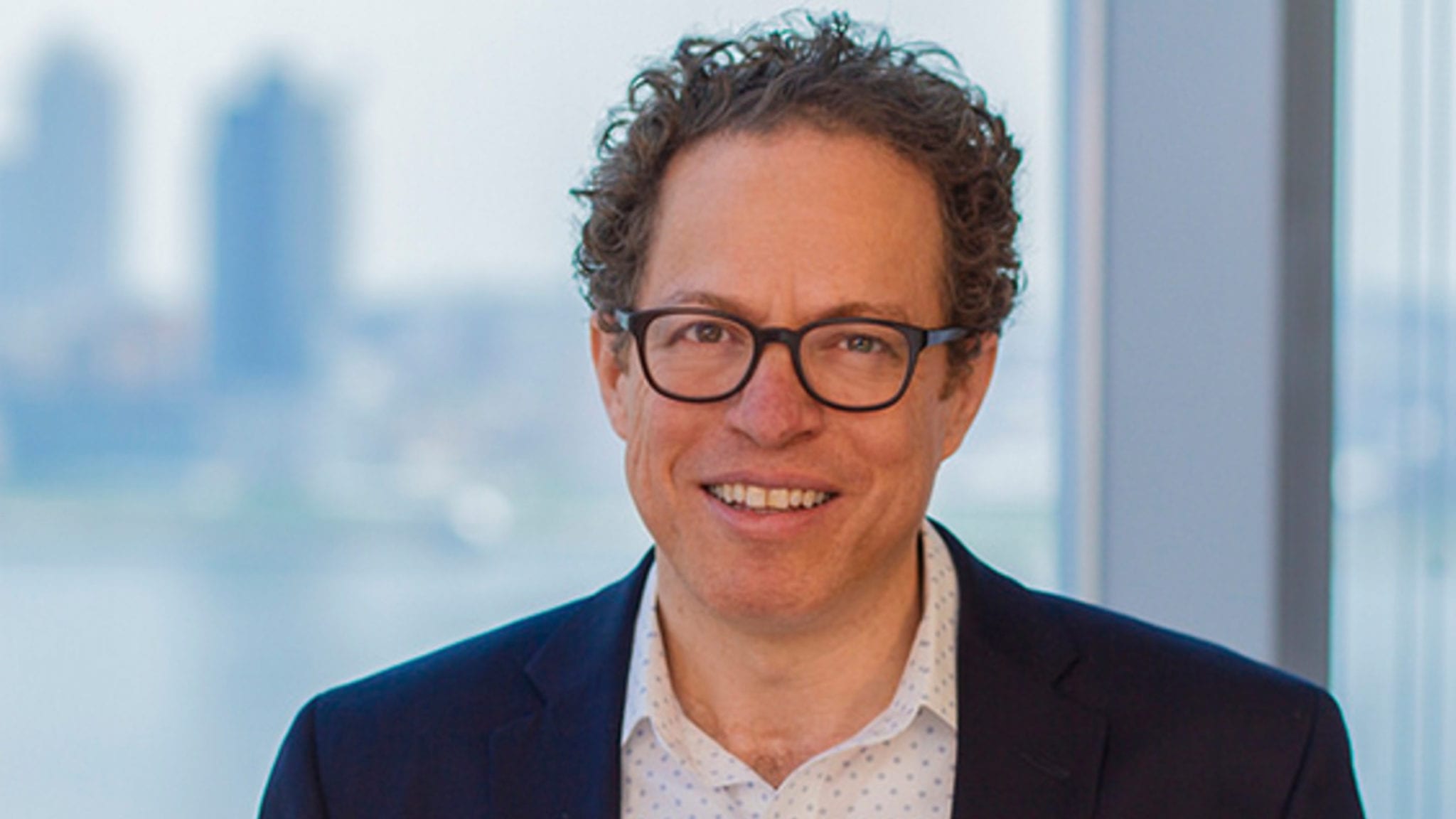
Asa Abeliovich is a physician-scientist turned serial biotech founder who spent two decades at the lab bench at Columbia before deciding the only way to get his ideas into patients was to start companies. He co-founded Alector, founded and sold Prevail Therapeutics to Eli Lilly for about $1 billion, and now runs Leal Therapeutics, a Worcester startup chasing a contrarian idea: that fixing the brain's broken metabolism can treat everything from schizophrenia to ALS to Alzheimer's. Leal spent over two years in stealth before surfacing with a clinical-stage pipeline and roughly $114 million raised.