remote-agency
(11)
Virtual Financial found a business in the handoff
From remote insurance agencies to the DREAMS Score, Virtual Financial keeps returning to one idea: find the right conversation, then bring in the right specialist.

The Office CONRIC pr + marketing Never Opened
A Fort Myers agency planned its fifth office move, chose distributed work instead, and arrived at the pandemic already living in the future. The decision explains how a local shop became a national one without losing its neighborhood habits.
The Publicists Behind the People Behind the Ads
Powell Communications found a profitable little paradox: the people who make famous work often need help becoming famous for making it. Its answer is a year-round machine of stories, stages, juries and social proof.

The Two-Year Pitch: How Wasabi Publicity Makes Experts Useful Before Famous
A North Carolina PR shop built a virtual team before remote work had a name. Its enduring product is not fame on demand, but a disciplined way to be useful when the news cycle comes knocking.
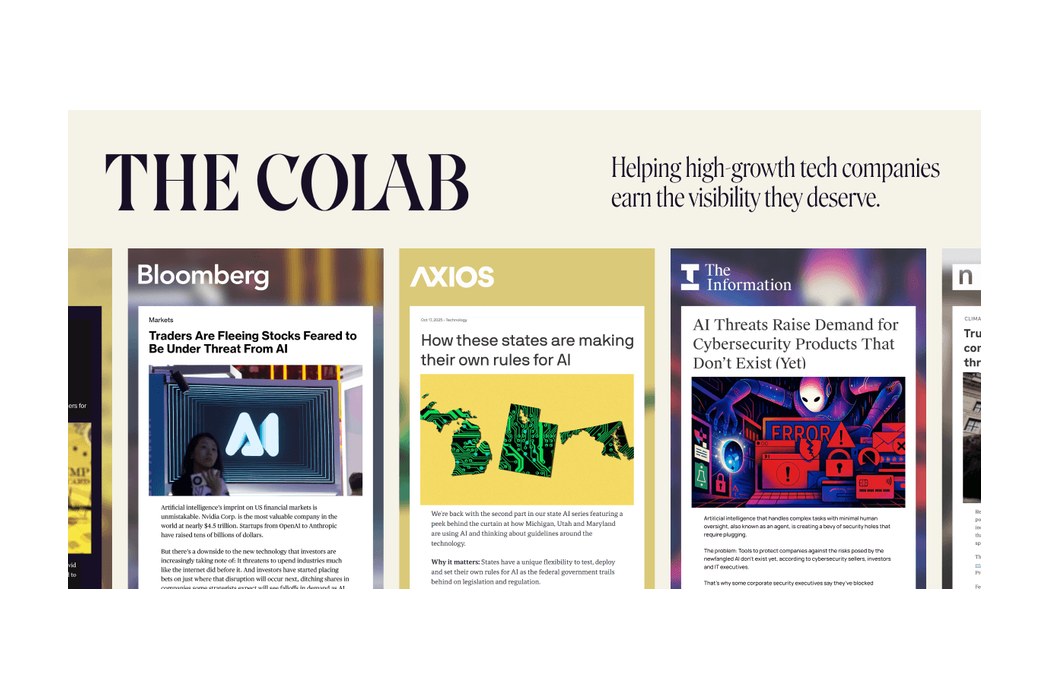
The Agency That Put the Senior People Back in the Room
The Colab began with a complaint familiar to anyone who has hired an agency: the experts make the pitch, then disappear. Lizzy Harris and Ashley Mann built a PR firm around refusing that handoff - and turned speed, candor and senior attention into the product.
The Beauty Agency That Treats Comments Like Customer Service
Mimi Banks spent 15 years inside L’Oréal. Then she built a remote agency around a deceptively unglamorous idea: the comment section is where a beauty brand proves whether it is listening.
The PR Firm That Learned When to Stop Being Polite
Bospar built a national agency without an office, made persistence into a trademark, and then discovered that its sharpest work sometimes begins with a retreat. Now it is teaching companies to pitch not only reporters, but the machines reading them.
Plat4orm Makes Complicated Companies Easy to Believe
For a small, remote-first agency, Plat4orm has chosen a large and stubborn problem: turning technical expertise into public trust. Its best work begins where the obvious press release ends.

Merryman Communications and the art of the next click
A patient story is only the beginning. The healthcare agency now called M+ builds the route from attention to action - and changes the route when the numbers tell it to.
Aircover Communications and the art of making complicated companies matter
A former journalist built a PR firm around a deceptively hard job: giving people a reason to care. Its work with AI companies puts that idea to a demanding test.

Pepperplane Makes Software Teams Answer the Expensive Question First
This small, remote design studio has shipped more than 350 projects by insisting that the costly part of software is not the screen. It is the untested assumption underneath it.