policy-analysis
(6)
The Company That Sells the Missing Ingredient in Global Health: Attention
Global Health Strategies does not make vaccines or run hospitals. It engineers the attention, alliances and political will that help health ideas travel - from village councils in Uttar Pradesh to a polio milestone watched around the world.

The Lobbying Firm That Refused to Stay Inside the Beltway
Washington may write the rules, but states and cities increasingly decide how they land. Cozen O'Connor Public Strategies built a bipartisan firm around that gap - and made geography part of the product.

The Meeting Is the Easy Part
Washington runs on access, but FTP built a business around the harder question: once the door opens, what should a client actually say - and who else needs to say it?
The Firm That Turns Policy Into a Public Story
In Rhode Island, a policy fight can turn on a fact sheet, a coalition and the order in which the phone calls are made. Advocacy Solutions has spent two decades turning that choreography into a business.
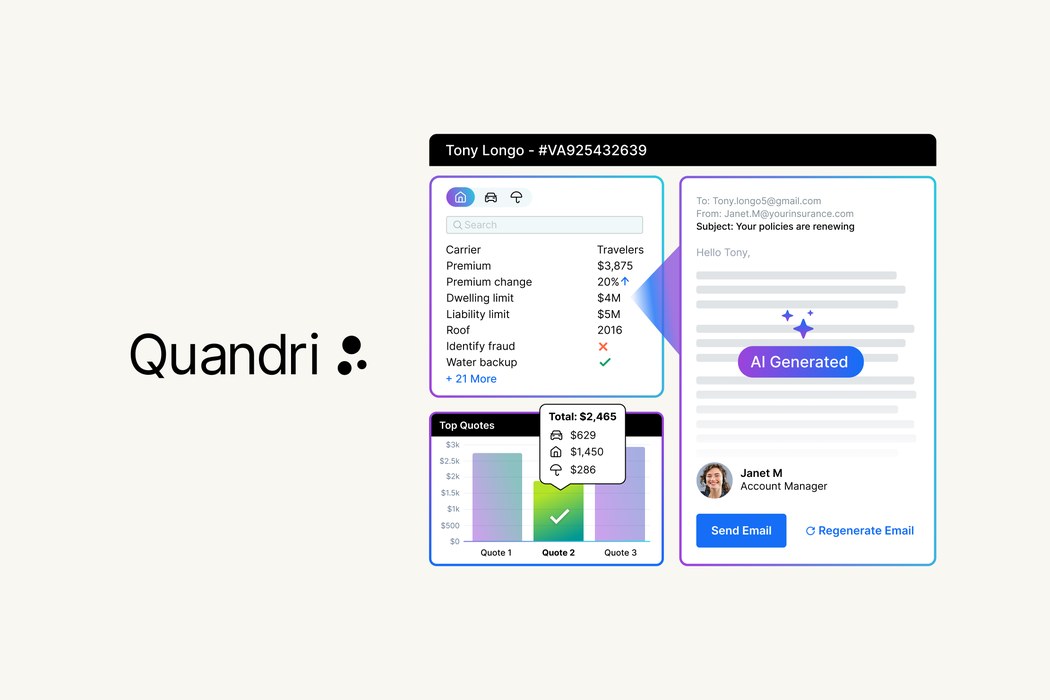
Quandri Put AI on Insurance's Most Ignored Desk - and Found a $22 Million Wedge
The Fregeau brothers stopped selling automation as a toolkit and started doing one ugly insurance job end to end. The result is a useful lesson in vertical AI: depth beats a dazzling demo when the workflow is narrow, repetitive and expensive.

Qumis
Qumis is a Chicago-based insurtech building attorney-trained AI for commercial insurance. Its coverage intelligence platform reads dense property and casualty policies the way a seasoned coverage attorney would - comparing quotes and endorsements, flagging gaps across policy towers, and backing every answer with source-linked citations and transparent reasoning. Founded by a former coverage attorney and a former Goldman Sachs engineering leader, Qumis already serves five of the 15 largest U.S. brokers, along with specialty carriers and insurance law firms, and has raised $6.75M to put a coverage specialist at every desk.