physics-simulation
(3)
Silvaco makes the expensive mistakes before the wafer does
A chip factory is a costly place to ask “what if?” Silvaco gives engineers a virtual rehearsal, then connects the physics to circuits, reusable chip designs and AI-trained digital twins.
Neara
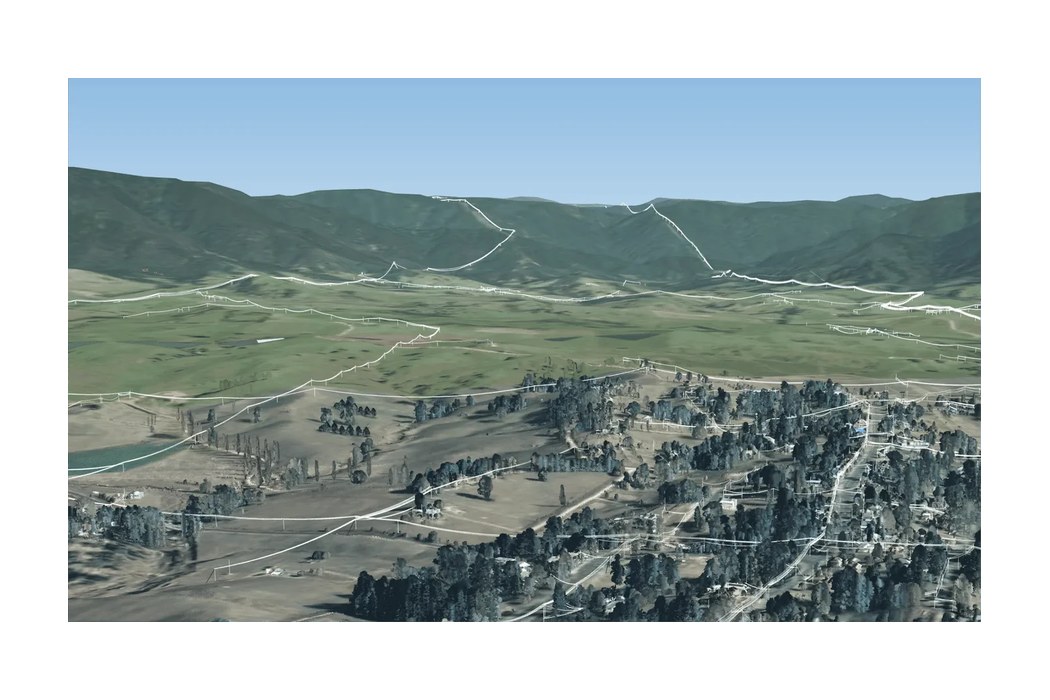
Neara is a Sydney-founded software company that builds physics-enabled digital twins of utility networks. By combining LiDAR, satellite imagery, sensor data, AI and engineering-grade physics simulation, it creates geometrically accurate 3D replicas of power grids so utilities can model how their assets behave under real-world stress - wildfires, floods, storms, heat and rising demand. The platform lets operators find spare grid capacity, mitigate risk, plan maintenance and connect renewables faster, often replacing months of manual field inspection with analysis that runs in minutes. In February 2026 Neara raised an AUD $90 million Series D, reaching a roughly AUD $1.1 billion valuation to become one of Australia's newest unicorns.
Quilter
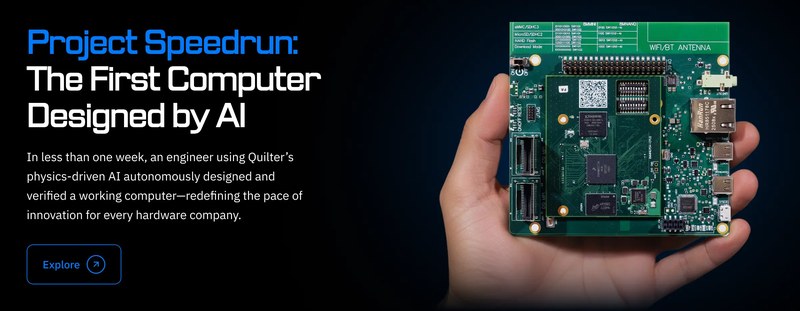
Quilter is a Los Angeles-based company building the first fully autonomous, physics-driven AI for printed circuit board (PCB) layout. Founded in 2019 by former SpaceX avionics engineer Sergiy Nesterenko, Quilter trains reinforcement-learning agents on the laws of physics - not human design patterns - to place components, route traces, and physics-validate complete board designs in hours instead of weeks. The company positions itself as the 'compiler for hardware,' aiming to make manual PCB layout as obsolete as hand-compiling code.