phoenix-arizona
(9)
Plywood Rots. Supersede Extrudes Its Replacement From the Plastic Nobody Wanted.
Sean Petterson sold his last hardware company after raising more than $60 million. Now he is in Phoenix extruding recycled polypropylene into a board that boatbuilders are bolting into 2026 hulls - and he wants a micro-factory in every city with a plastic problem.
The Easel That Brought Its Own Light
A one-product company from Phoenix bet that the problem with displaying anything was never the stand - it was the lighting. So they put the light in the easel.
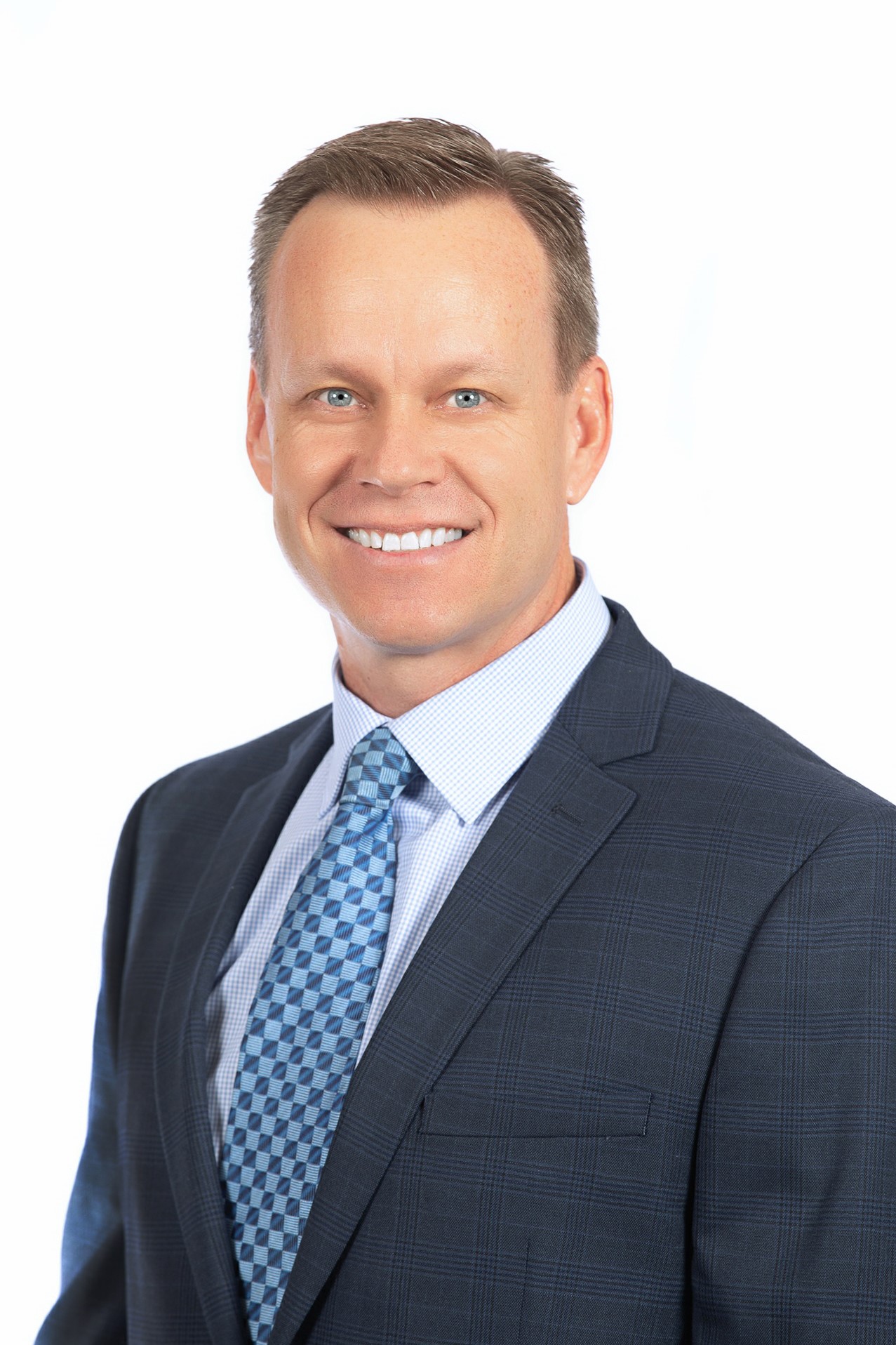
Steve Kerdock Sells the Story Behind the Circuit Board
For 25 years he has marketed the invisible layer of technology - the components, the distribution, the supply chain. At Arrow Electronics he is trying to make it visible.

The Grocery Chain That Bet Small Stores Could Win the Health Aisle
Founded by a fruit-stand family, Sprouts skips the premium-organic playbook - smaller stores, produce up front, and shelves sorted by diet instead of brand.
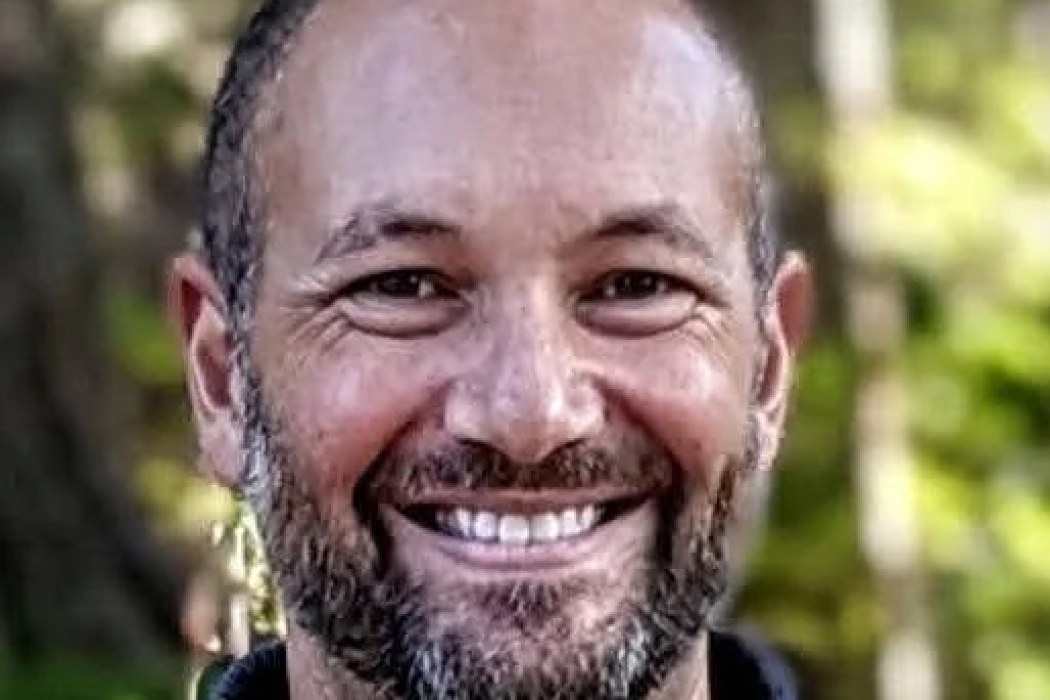
Steve Arnold
Steve Arnold is the CEO of E-Line Media, the video game developer and publisher behind the BAFTA- and Peabody-winning Never Alone (Kisima Ingitchuna), Beyond Blue, and the upcoming Never Alone 2 and Neighborhoods. He has been making games professionally since 2003, starting at Electronic Arts, where he rose from production intern on the Tiger Woods PGA Tour series to Executive Producer working across EA Partners and the Origin store, with credits on Rock Band, The Beatles: Rock Band and Alice: Madness Returns. In May 2014 he joined Oculus, becoming Head of Oculus Studios in June 2016 and running the company's first-party and partner content slate through November 2019, a period covering Lone Echo, Robo Recall, The Climb, Chronos and Journey of the Gods, with partnerships spanning Epic, Insomniac, Ubisoft, Marvel and Lucasfilm. He then founded his own studio, Imagination Games, and ToyChest.AI, an early-stage venture using computer vision to let ordinary physical toys unlock content in games without special hardware. At E-Line he now leads a studio whose work sits in the permanent collection of the Museum of Modern Art and has reached more than 25 million players.
Crystal Sonic
Crystal Sonic is a Phoenix, Arizona deep-tech startup that uses sound to cut semiconductor costs. Its patented Sonic Lift-off (SLO) technology acts as an 'acoustic scalpel,' peeling thin device layers off expensive wafers so the underlying substrate can be reused instead of ground into dust. Legacy manufacturing wastes 90% or more of substrate material, and substrates can account for up to half of a device's cost - Crystal Sonic wants to reclaim that. Spun out of an Arizona State University lab in 2018, the company has won backing from NASA, the Department of Energy, the NSF, and Lam Capital.

Arno Merkle
Arno Merkle is the co-founder and CEO of Crystal Sonic, a Phoenix deep tech startup whose patented Sonic Lift-Off technology uses sound waves as an 'acoustic scalpel' to split thin device layers off semiconductor wafers so the costly substrate can be reused. A materials scientist with a Ph.D. from Northwestern and more than 75 technical papers to his name, Merkle spent two decades building and exiting X-ray and electron microscopy companies (Xradia, acquired by Carl Zeiss in 2013; XRE, acquired by Tescan in 2018) before turning his attention to one of chipmaking's quietest scandals: that conventional wafering throws away 90% or more of pristine, expensive crystal. With Crystal Sonic he is trying to make next-generation chips cheaper and far less wasteful, one sound wave at a time.

Susan Sly
Susan Sly is an award-winning AI entrepreneur, two-time tech founder, keynote speaker, and bestselling author based in Phoenix, Arizona. She is Founder and CEO of The Pause Technologies, an AI platform for women's care, and previously co-founded and co-led RadiusAI, a computer vision company whose work won VentureBeat's 2022 AI Innovator at The Edge award against finalists like Boston Dynamics and Ford. A graduate of MIT executive programs, she hosts the globally downloaded podcast Raw and Real Entrepreneurship and has been named among the top women to watch in real-time AI.

Terry Kennon
Terry Kennon is a chemical engineer turned investment banker turned clean-energy builder who serves as Executive Vice President and Chief Technology Officer of Proteum Energy in Phoenix, Arizona. He took on the President role in March 2019 after roughly four years as CTO. With more than 30 years across chemical engineering, biofuels investment banking at J.P. Morgan, and renewable-energy entrepreneurship, Kennon now leads Proteum's patented technology that reforms renewable ethanol into low-cost, low-carbon hydrogen and 'designer fuels' - and turns wasted flare gas into usable product. He is a named inventor on the company's core patents and directs both its technology roadmap and its intellectual-property strategy.