optical-sensing
(3)
Deptrum
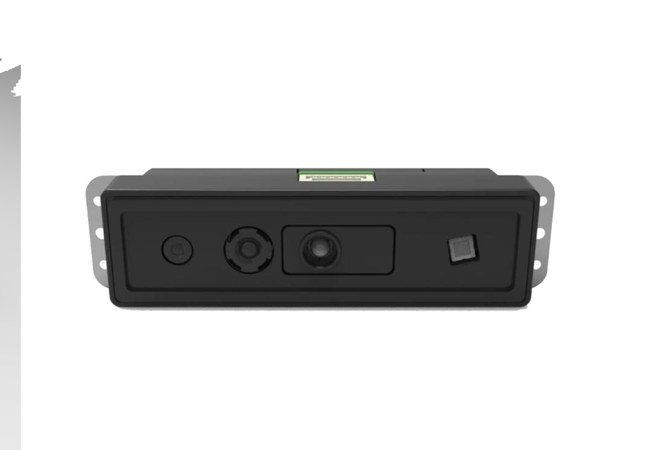
Deptrum (光鉴科技) is a Chinese 3D vision company founded in 2018 by three Silicon Valley scientists, including a former Apple depth-hardware lead. It builds full-stack 3D depth-sensing solutions - nanophotonic chips, structured-light and Time-of-Flight cameras, and AI perception algorithms - that let machines see and measure the physical world. Its hardware powers robots, smart cockpits, palm-payment terminals, smartphones and new-retail systems across finance, automotive and IoT.

Metalenz
Metalenz is a Boston-based deep-tech company that replaces stacks of curved glass lenses with a single flat, nanostructured semiconductor chip called a metasurface. Spun out of Harvard's Capasso Lab, it is the first company to mass-produce meta-optics, shrinking cameras and sensors for smartphones, biometrics, and 3D sensing. Its flagship Polar ID brings polarization-based, payment-grade face authentication to devices at a fraction of the size and cost of existing systems.

Michael McShane
Michael (Mike) J. McShane is a biomedical engineer who has spent close to 25 years trying to put readable chemistry under the skin. As James J. Cain Professor II and head of the Department of Biomedical Engineering at Texas A&M University, he builds injectable, biomaterials-based optical biosensors - often called 'smart tattoos' - that glow in response to glucose, oxygen and other body chemistries so doctors can monitor patients continuously and minimally invasively. A Fellow of IEEE, SPIE, BMES and AIMBE, past president of the IEEE Sensors Council and founding chair of the IEEE BioSensors conference, he won the 2012 NIH Director's Transformative Research Award and the 2023 IEEE Sensors Council Technical Achievement Award.