operational-technology
(12)
Joe Scotto Made Invisible Cyber Risks Impossible to Ignore
Across factories, hospitals and the human side of security, Joe Scotto built a career translating hidden cyber risk into stories that executives could see, measure and act on. Two startups he marketed were acquired within four years.
Dragos Turned a Three-Person Side Project Into Security for the Machines Nobody Can Reboot
Dragos began with three practitioners, a packet-capture tool, and a founder who did not want to become a software vendor. A decade later, its field notes defend grids, factories and water systems - and explain why industrial security cannot be treated like office IT.
Sanmina’s AI Factory Starts With 350 Hours a Week
Sanmina is threading AI through office work, factory systems and the racks that power the cloud. Its CIO’s advice is refreshingly unflashy: educate leaders, secure the foundation and start small.

Honeywell Technologies
After spinning off aerospace and advanced materials, Honeywell is smaller, sharper and focused on one difficult job: teaching the physical world to run with less waste, fewer surprises and more autonomy.

DeNexus
DeNexus is a Boston-based cyber risk company that quantifies the financial impact of cyber threats to industrial and operational technology (OT) environments. Its DeRISK platform uses AI, machine learning and simulation to predict where breaches are likely in OT/ICS networks, express that risk in dollar terms, and prioritize mitigation by ROI. The company serves CISOs, boards, risk managers and cyber insurers across data centers, energy, manufacturing and transportation, and has expanded into agentic-AI underwriting automation for the industrial cyber insurance market.
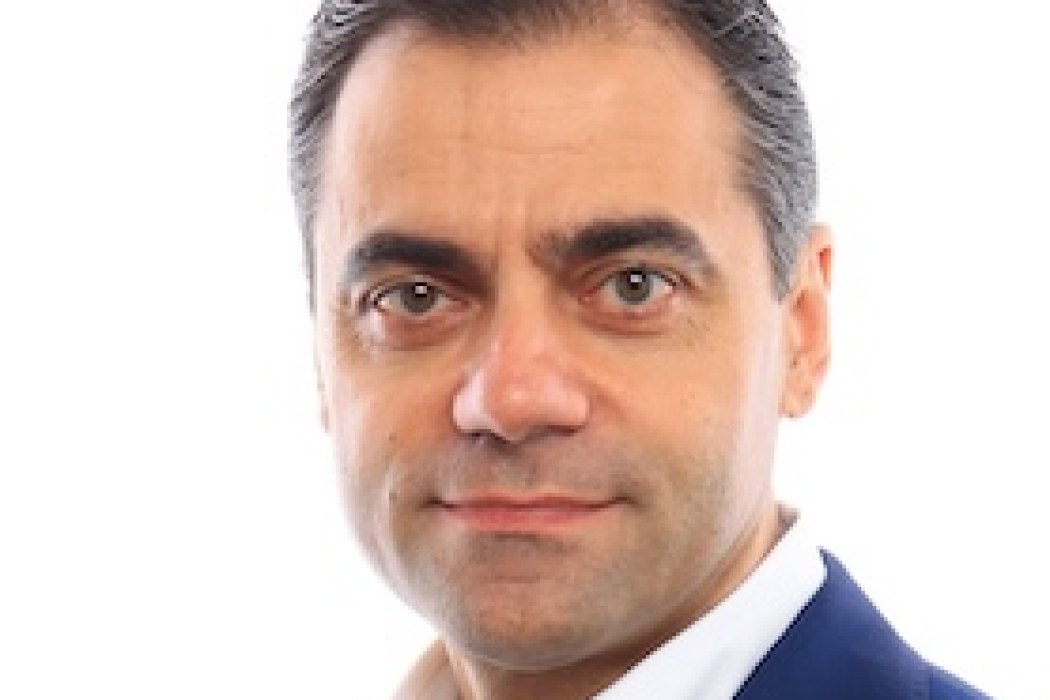
Jose Seara
Jose Seara is the founder and CEO of DeNexus, a Boston-based company that quantifies cyber risk for operational technology and industrial control systems. A naval and marine engineer by training, he spent nearly two decades building critical infrastructure and renewable energy companies across Europe and North America before pivoting to cybersecurity. He started DeNexus after discovering, as an energy operator, that he could not measure his own company's cyber risk or insure against it. His DeRISK platform turns technical threat data into financial metrics that boards and insurers can act on.
When Breaches Cost Ten Million, ServiceNow and Accenture Bet on the Machines
On June 29, 2026, ServiceNow and Accenture announced a joint suite of AI-powered services designed to help enterprises migrate off legacy risk platforms and adopt agentic AI for cybersecurity and risk management. The offering pairs Accenture's managed security services with the ServiceNow AI Platform to deliver unified integrated risk management, third-party and operational technology risk management, proactive compliance, and an AI-powered migration path. The announcement responds to a threat landscape where U.S. data breach costs hit a record $10.22 million per incident in 2025 and AI is compressing the vulnerability-to-exploitation window from months to hours.
Copia Automation
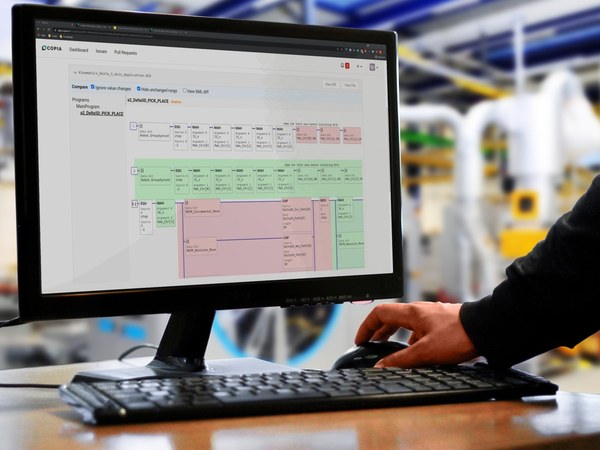
Copia Automation brings modern software practices - Git-based version control, automated backup, code review, and AI-assisted analysis - to the world of industrial automation. Its platform treats PLC and OT code as a critical asset, giving manufacturers visibility, change tracking, and disaster recovery across multi-vendor factory floors. Founded in New York in 2020 by former Uber engineer Adam Gluck, Copia helps plants protect against downtime, ransomware, and lost institutional knowledge while accelerating how industrial machinery is built and maintained.
Dispel
Dispel is an Austin, Texas-based operational technology (OT) cybersecurity company that builds a Zero Trust Engine for industrial control systems. Its platform combines secure remote access, real-time industrial data streaming, unified OT connectivity (OTFusion), and 24/7 threat monitoring, all built around Moving Target Defense - a technique that constantly shifts network paths so attackers never get a stable target. Dispel lets manufacturers, utilities, energy operators, and government agencies give vendors and engineers fast, audited access to plant equipment without the friction of legacy VPNs and jump boxes.
Shift5
Shift5 is an operational intelligence and onboard observability company that taps the raw data already flowing across the internal networks of planes, trains, tanks, and ships. Founded by former U.S. Army cyber officers, it plugs into serial-bus and RF traffic on military and commercial fleets to deliver real-time cyber threat detection, predictive maintenance, and compliance insight at the edge. Backed by $185M+ in venture funding, Shift5 serves the U.S. Army, Navy, Air Force, Space Force, SOCOM, and several of the largest U.S. passenger rail systems.
Ian Schmertzler
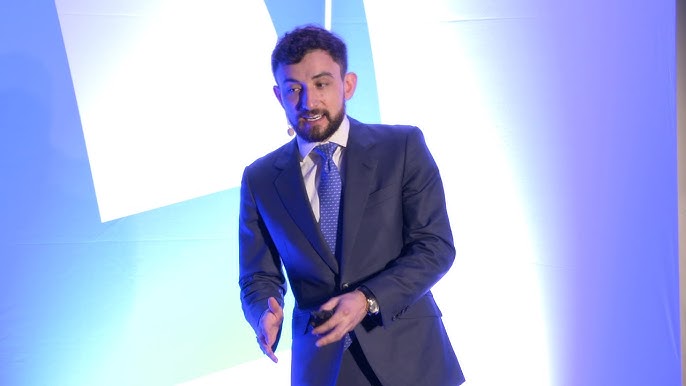
Ian Schmertzler is co-CEO and co-founder of Dispel, an operational-technology cybersecurity company he started in 2015 with his brother Ethan. A Yale-trained industrial engineer and former crew coxswain, Ian helped build Dispel's zero trust platform around Moving Target Defense - a system that keeps shifting network access points so attackers never find a static target. He serves as a principal investigator on three NIST National Cybersecurity Center of Excellence projects and as vice president of the National Defense Industrial Association's NY-CT chapter, working to keep factories, water utilities, and power grids running quietly and safely.

Josh Lospinoso
Josh Lospinoso is the co-founder and former CEO of Shift5, an observability and cybersecurity company that protects the onboard operational technology of planes, trains, tanks, and ships. A West Point graduate, Rhodes Scholar, and Oxford-trained statistician, he spent more than a decade as an Army cyber officer building elite hacking tools for the NSA's Tailored Access Operations and the Cyber National Mission Force. Before Shift5 he co-founded RedOwl Analytics (acquired by Raytheon/Forcepoint in 2017). He wrote the C++ course that U.S. Cyber Command uses to train junior developers and turned it into the book C++ Crash Course. In January 2026 he moved from CEO to the board to focus on long-term vision while Shift5, having raised more than $180M, scaled past 130 employees.