network-detection-response
(5)
The 37-Year-Old Telecom Engineer Teaching AI to Watch Every Packet
Telesoft spent decades learning how carrier networks behave. Now it is turning that hard-won packet craft into an on-premise security stack for organisations that cannot afford blind spots - or send their most sensitive traffic to somebody else’s cloud.
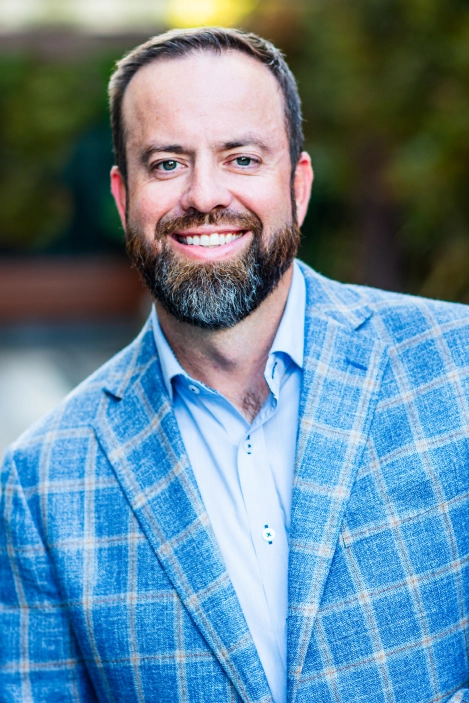
Tommy Jenkins Built His Career on One Question: What Actually Works?
Before he marketed AI that sorts real cyber threats from noise, Tommy Jenkins spent years asking marketing teams to separate useful signals from vanity metrics. His path from Red Hat’s operational engine room to Vectra AI’s C-suite is a study in making complexity answer one plain question: what deserves attention?
The $48 Million Bet That Your Security Stack Already Missed Something
Lumu built a cybersecurity company around an unfashionable question: what if the intruder is already inside? Its answer is to read the trail in network metadata, confirm the compromise, and make the security stack respond.

ExtraHop Spent 11 Years Watching Networks. Then Its Customers Found the Security Business Hiding in the Packets.
The Seattle company began by diagnosing slow applications, not chasing attackers. Its customers spotted the bigger opportunity - a practical lesson in how an old capability can become a new company.
Brian Dye
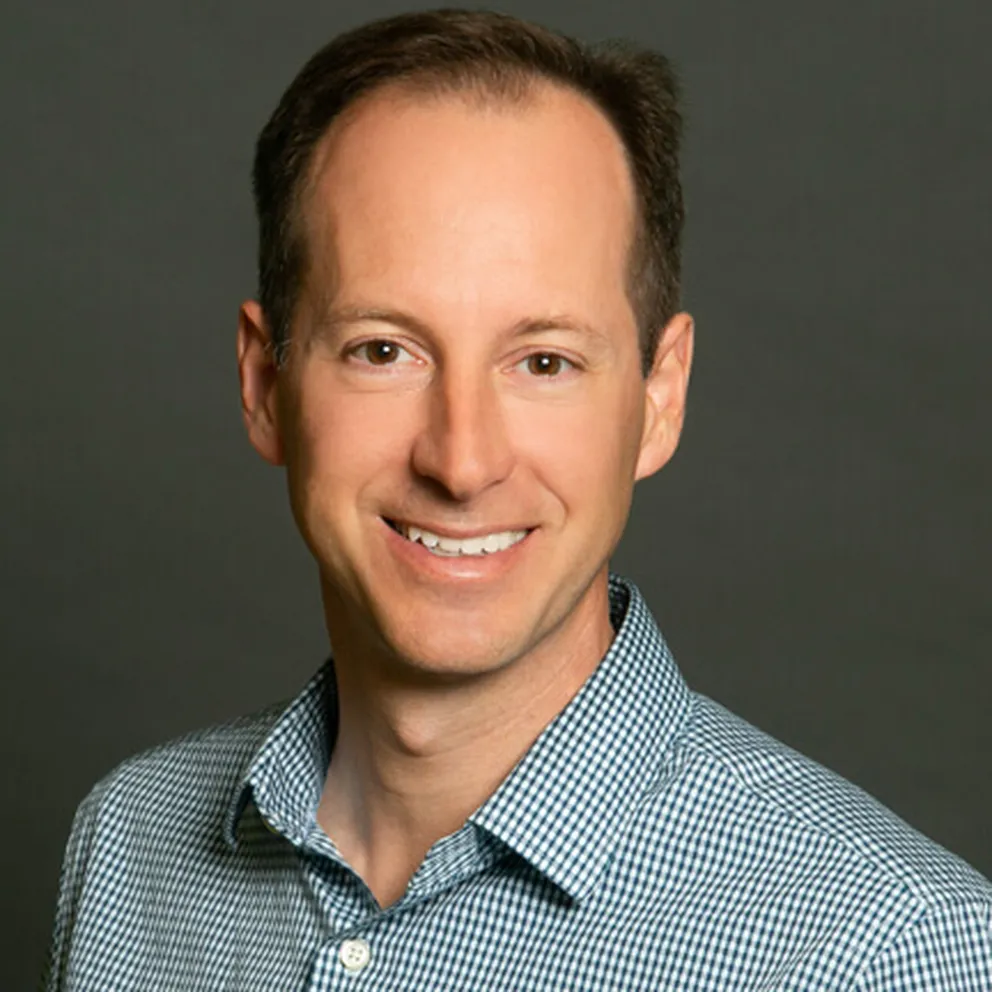
Brian Dye is the CEO of Corelight, the network detection and response (NDR) company behind the enterprise deployment of Zeek, the open-source network security monitor trusted by the U.S. military, major banks, and critical infrastructure operators worldwide. After a 20-year career spanning Symantec, McAfee, Citrix, and Intel, Dye joined Corelight as CPO in 2018 and was elevated to CEO in August 2020. Under his leadership the company has grown 40% annually, expanded its cloud/SaaS business by 300%, secured a $150M Series E at a $900M valuation in April 2024, and positioned itself at the intersection of AI-driven automation and high-fidelity network evidence.