marketplace-founder
(26)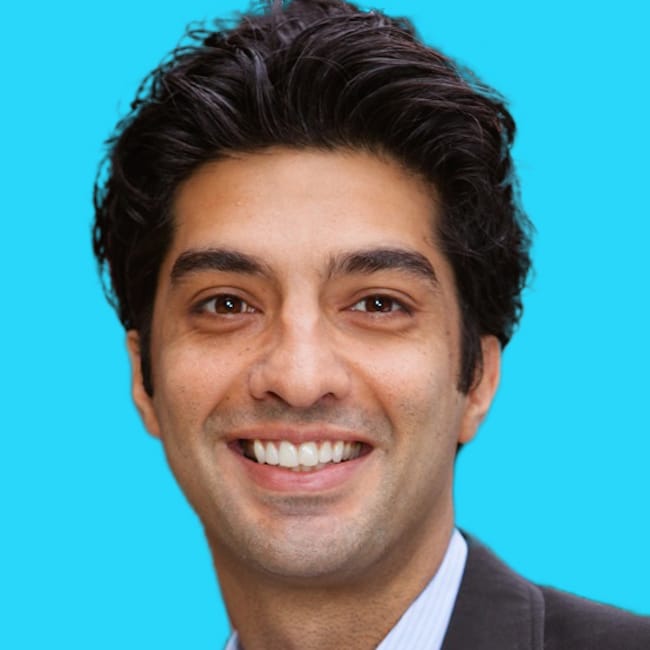
Nick Ganju Is Teaching a Phone Call to Think in Time
Zocdoc's founding engineer spent years making appointments work on a screen. Now he is back in the code, trying to make an automated voice understand when a human has finished a sentence.
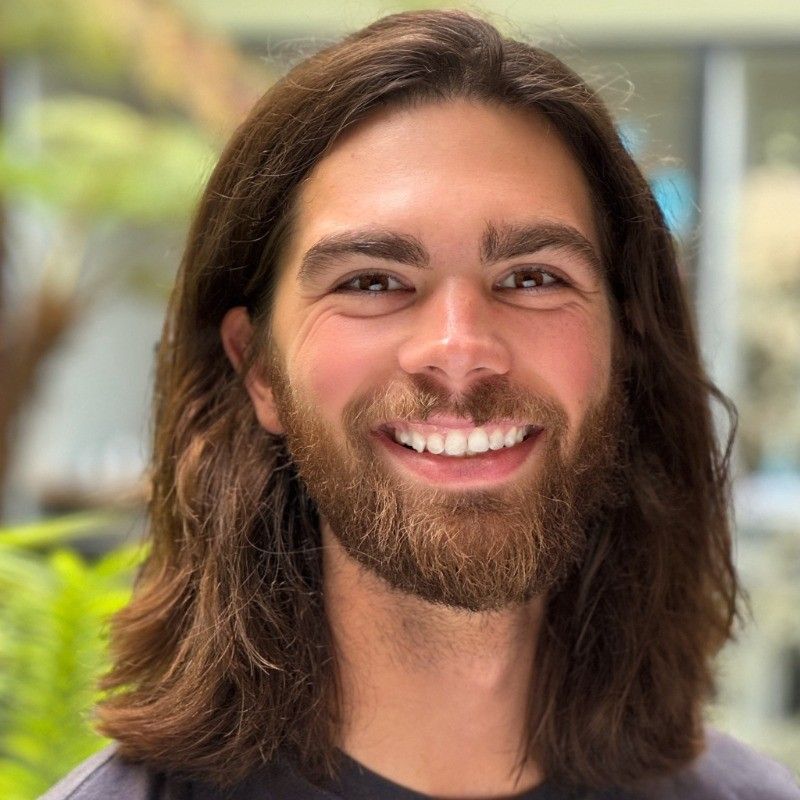
Eli Allen and the Art of Cutting the Right Corners
Curtsy began with crowded closets, college formals and a small Mississippi grant. Eli Allen supplied the code - and a lasting taste for the useful shortcut.
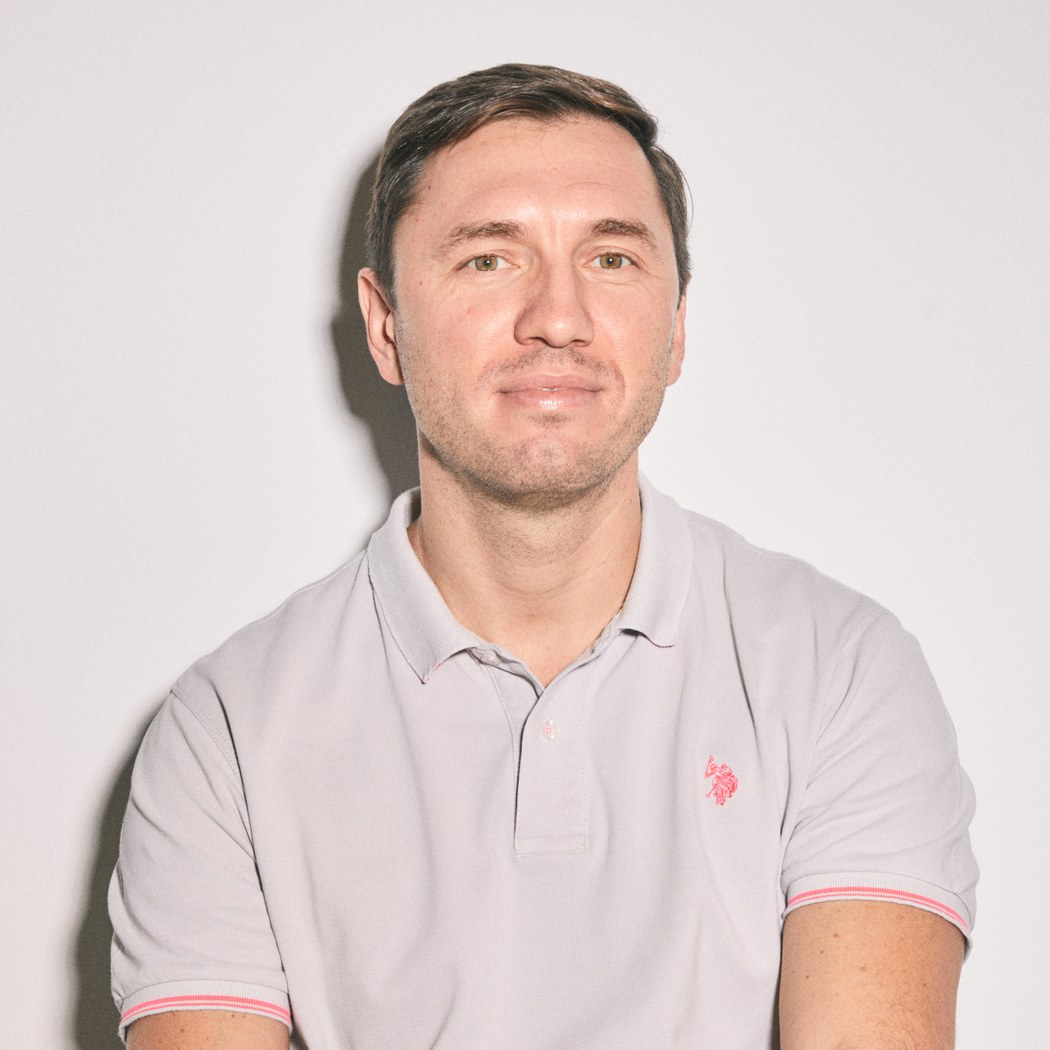
Kirill Bigai Learned the Most Valuable Word in Business: Again
A bad restaurant menu, a failed first startup and months without a salary taught the Preply co-founder how to build by correction. Fourteen years later, his language marketplace is worth $1.2 billion - and he still insists the future of learning needs a human voice.
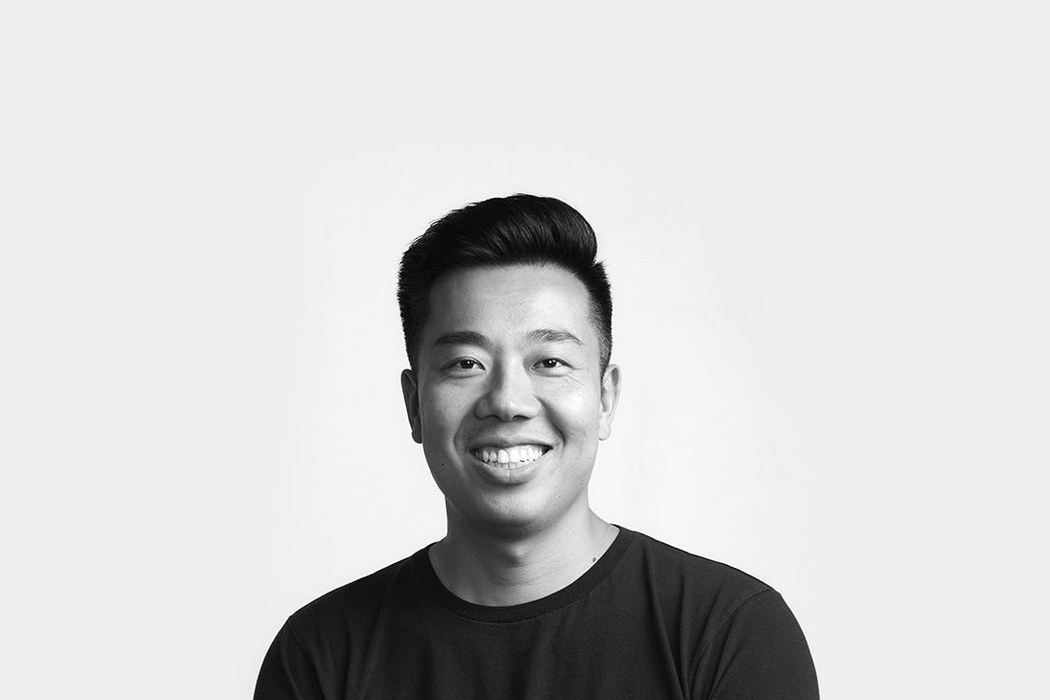
Eddy Lu Kept Missing Until He Built Trust
Before GOAT became a marketplace spanning 170 countries, Lu and Daishin Sugano tried almost everything. Their decisive idea arrived inside a fake pair of Jordans - and survived a launch-day calamity that taught them what customers actually valued.
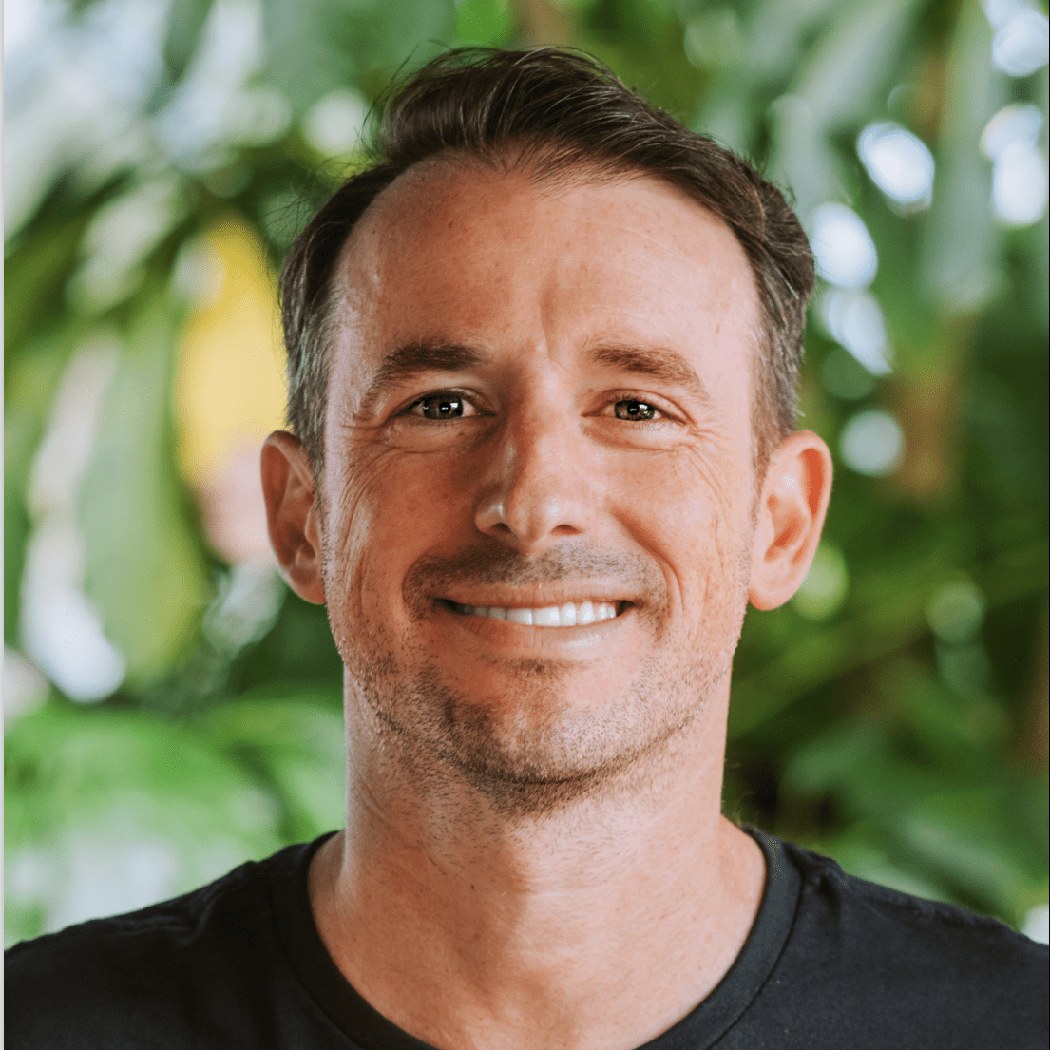
Assaf Karmon Turned a Tuesday Cleaning Problem Into a Global Marketplace
A late reply, a double-booked cleaner and one changed checkout date gave a software engineer his opening. The useful company came only after the first idea failed.
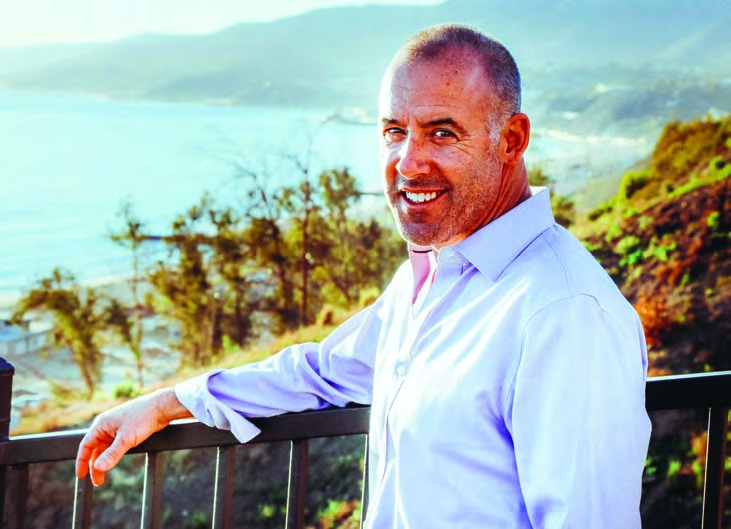
Sean Greene Bet on the Neighbor Next Door
A fruitless search for a babysitter showed Sean Greene that childcare did not need more strangers. It needed a better way to find the trusted people already nearby.

Sofia Vyshnevska and the Follow-Up Nobody Had Time to Make
After six accelerator rejections, three pivots and one pandemic-timed launch, the Ukrainian-born Jome co-founder has a precise idea about AI: let it chase the cold leads, so people can handle the warm moments.
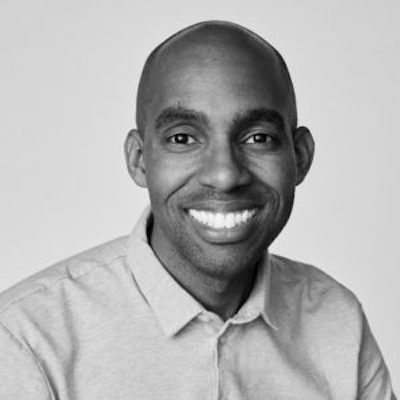
Rome Portlock and the Six-Week Rewrite
An MIT engineer, three nurses in the family and a startup idea that did not work. Rome Portlock turned that unpromising combination into a new rule for hospital hiring: let employers make the first move.
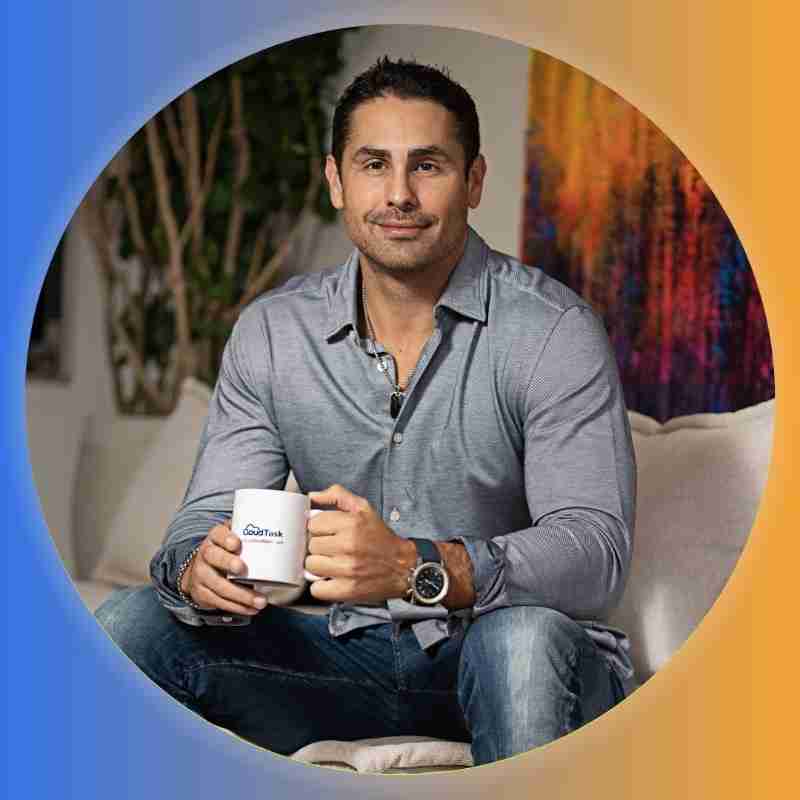
Amir Reiter Bet the Agency on a Marketplace - Then Went Back to the Work That Mattered
CloudTask’s founder traded a profitable service business for a risky marketplace, learned where software ends and trust begins, and rebuilt around a stubborn idea: careers compound when companies invest in people before they look obvious.
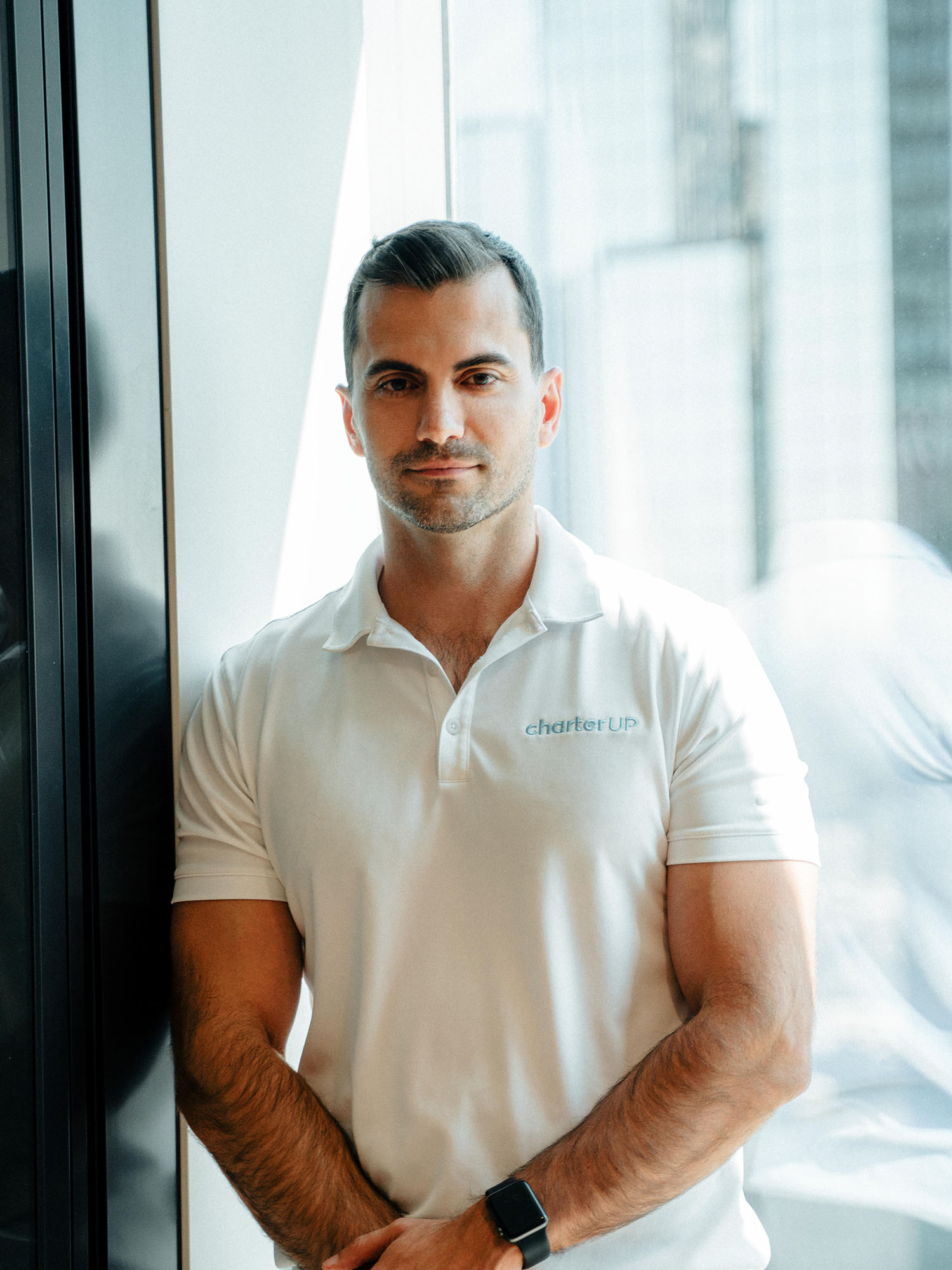
Armir Harris Is Turning the Humble Bus Into a Software Business
A frantic request for 60 buses showed Armir Harris what the industry lacked. He has spent the years since turning phone calls, paper schedules and idle vehicles into a real-time transportation network.

Terry Broussard Turned One Bad Night of RV Planning Into a Booking Business
A four-time RV owner handed his son-in-law a phone and issued a simple challenge: find us a campsite tonight. The frustrating search became Spot2Nite - and a lesson in building software from a problem you know by heart.
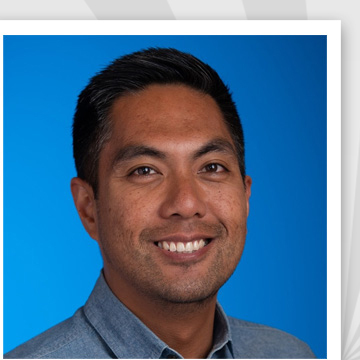
Gene Miguel Put the Comic Shop in Your Pocket
He spent weekends behind convention tables, watched collectors wrestle with dated tools, and turned the nuisance into Shortboxed. Gene Miguel’s useful trick was treating fandom as product research.
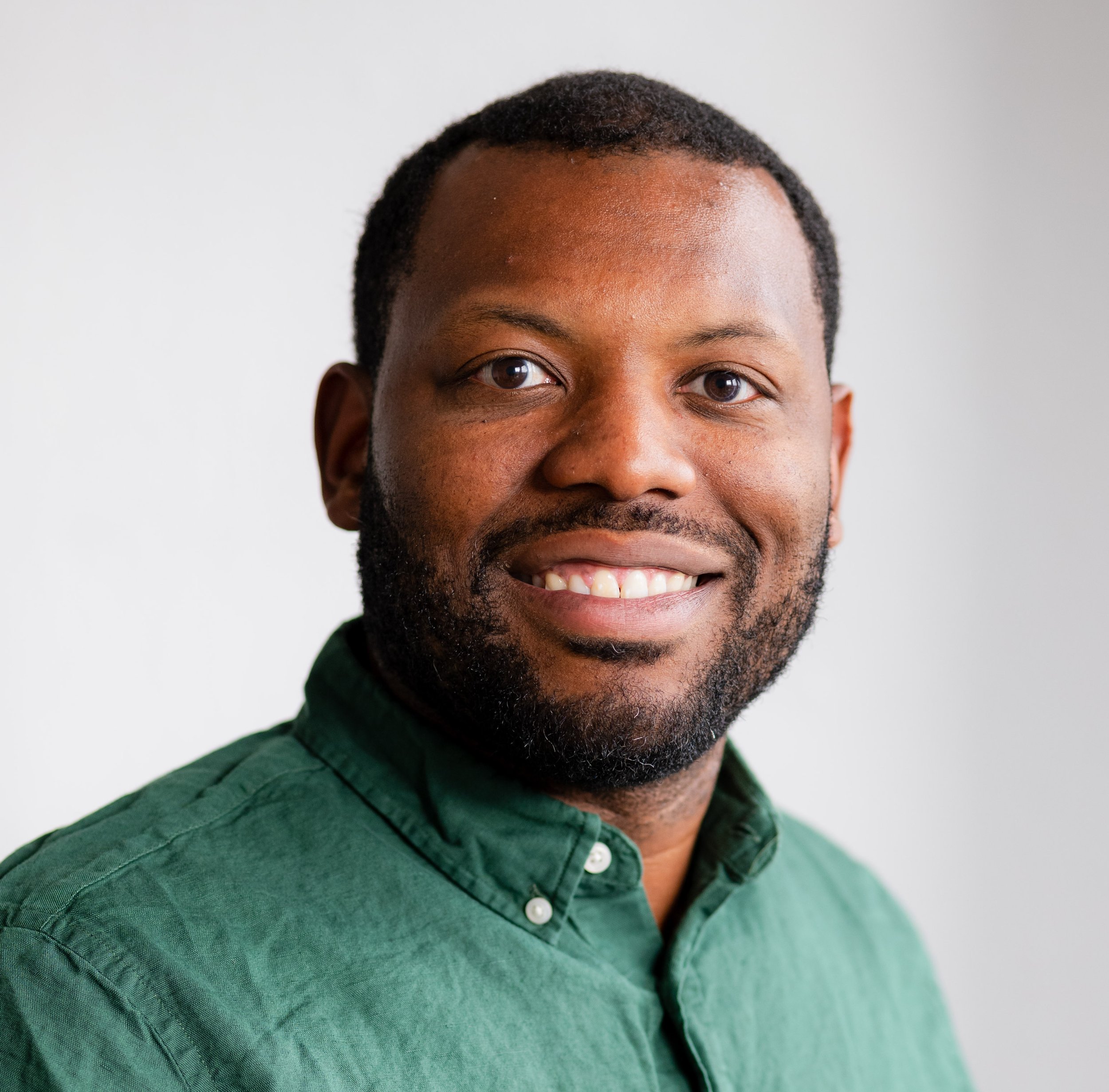
Chris Bennett Is Building Child Care Five Minutes From Every Front Door
A caregiver named Yoli gave Chris Bennett an early lesson in education and enterprise. Years later, he turned that memory into Wonderschool - and a practical campaign to put quality child care within five minutes of every family.

Oliver Kharraz Is Still Fixing the Waiting Room Before You Reach It
A doctor trained to study the brain. A philosopher trained to doubt his premises. A founder who spent nearly two decades making one mundane transaction - booking an appointment - reveal the hidden machinery of American healthcare.

Mike Hardenbrook Keeps Turning the Audience Into the Next Business
His companies look different from a distance. Up close, they share one habit: listen carefully, notice the request hiding inside the request, and build the missing next step.
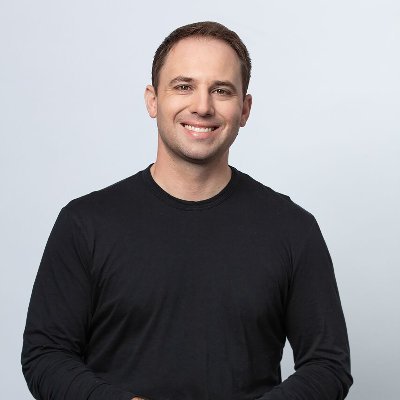
Michael DeGiorgio Put Commercial Real Estate on the Screen - Without Taking the Broker Out of the Room
A drink with a mentor became a resignation six weeks later, then a nine-month build in a Venice house. A decade on, Michael DeGiorgio is still pursuing the same unfashionably practical idea: better software should give real-estate people more time to be human.
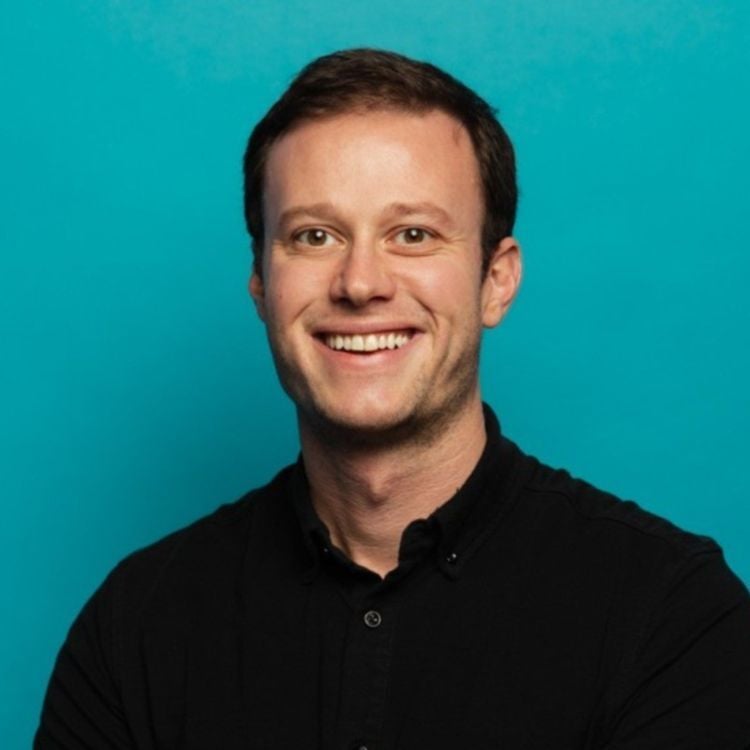
Nick Poggi Built a Travel Company Around the People Who Make a Trip Worth Taking
The TrovaTrip co-founder turned a messy group vacation into a three-sided marketplace. His enduring bet is simple: useful travel technology should make human connection easier, not try to replace it.

Ray Wahab Built for the Invisible Work Between an Empty Shift and a Filled One
Before Diem Health became a marketplace, Ray Wahab had already spent years on the operator's side of care. His compact public record reveals a founder trying to turn credential folders, phone calls and uncovered shifts into a cleaner piece of software.

Cameron Hardesty Found a Startup Idea in the White House Basement
A White House side door led Cameron Hardesty from political communications to flower farms, startup logistics and a bet that wedding florals could be clearer, fairer and more creative.

Lucas Martinez Is Ready for the Next Search
After 15 years building Talent.com from a Montreal startup into a global job-search platform, the founder who learned by moving fast has stepped away from the CEO seat - and toward San Francisco, AI and whatever comes next.

David Oates Built Curtsy by Listening to the Closet
A teenage web designer, a moped full of takeout, and a stubborn three-year pivot led David Oates to a useful idea: marketplaces grow when ordinary people can participate without becoming professionals.
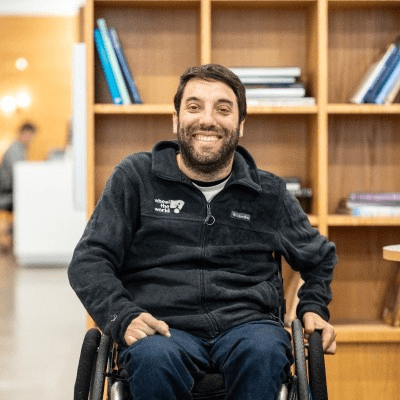
Alvaro Silberstein Is Turning Accessibility Into Travel Infrastructure
A Patagonia expedition revealed a market hiding in plain sight. Alvaro Silberstein built Wheel the World to turn scattered accessibility details into reliable travel infrastructure.

Bora Hamamcioglu
Bora Hamamcioglu is the Co-Founder and CEO of Mascotte Health, a Miami-based, tech-enabled support company that gives veterinary practices virtual triage, client communications, front-desk help, after-hours care and scribing so vets can focus on medicine instead of phones. A Turkish-American entrepreneur, he previously built and ran CarHopper, a luxury and exotic car-rental marketplace acquired by Turo in 2020, and worked as a Principal at Dubai's BECO Capital. Mascotte emerged from stealth in 2023 with an oversubscribed $1.2M pre-seed round led by Nuwa Capital, with angels from Uber, Turo and Airbnb.

Peggy Chang
Peggy Chang is the co-founder and CEO of ActivityHero, the online marketplace where parents discover, compare and book summer camps, after-school classes and workshops for their kids. An MIT-trained engineer with a Stanford MBA, she spent more than 15 years building consumer software at Intuit's QuickBooks, Charles Schwab, Excite@Home, the Los Angeles Times new-media division and Walt Disney Imagineering before turning a personal frustration - it took her three months to enroll her daughter in gymnastics - into a company. Founded in 2012 and headquartered in Palo Alto, ActivityHero now connects more than 4 million families with over 10,000 activity providers, and Chang frames its mission as both helping kids find their passions faster and helping parents (often mothers) stay in the workforce.

Stephanie Lawrence
Stephanie Lawrence is the co-founder and co-CEO of Traveling Spoon, the marketplace she built to put travelers at a stranger's dinner table around the world. Born from a failed quest to learn dumplings from a Chinese grandmother, the company connects guests with vetted home cooks - 95% of them women - across dozens of countries for private meals, cooking classes, and market tours. A Dartmouth and UC Berkeley Haas MBA who worked with Alice Waters and Google.org before launching, Lawrence turned a travel frustration into a business that funnels income to local women while preserving family recipes that might otherwise vanish.
Dallas Hogensen
Dallas Hogensen is the co-founder and CEO of Felux, a Cleveland-based digital marketplace and operating platform for the steel and metals industry. A ranch-raised Oregonian and former college football player turned serial startup operator, he scaled Lyft Business toward $1 billion in revenue and co-founded two companies (Liveli and Signal HQ) before relocating his family to Ohio to digitize a $2 trillion industry famous for handshakes and fax machines. Under the irreverent banner #makingsteelsexy, he has grown Felux's platform volume from roughly $10M to hundreds of millions in transactions, raised more than $24M in venture capital, and set out to put Cleveland back on the map as a hub for industrial technology.