infection-control
(5)
The Computer That Survives the ICU (and the Oil Refinery)
A 1989 PC company quietly reinvented itself around the two markets everyone else avoids: hospitals that hose down their hardware and factories where a spark can kill. Here is how a 150-person shop in Burlingame carved out both.

SaNOtize Research and Development Corp.
SaNOtize Research and Development Corp. is a Vancouver-based pharmaceutical and medical-device company that harnesses nitric oxide (NO), a naturally occurring antimicrobial molecule, to prevent and treat viral, bacterial and fungal infections. Its patented Nitric Oxide Releasing Solution (NORS) platform powers a Nitric Oxide Nasal Spray (NONS) sold internationally under brands including Enovid, VirX and FabiSpray, along with a pipeline addressing COVID-19, respiratory viruses, sinusitis, wound infection and onychomycosis.

Carecubes
Carecubes makes the Carecube, an FDA 510(k)-cleared negative-pressure isolation canopy that turns any standard hospital bed into an airborne-isolation unit in about 20 minutes. Born from a DARPA-funded Ebola-era project at San Francisco research lab Otherlab, the device pulls air through an H14 HEPA filter, holds negative pressure, and lets caregivers reach patients through glove walls - isolating the pathogen instead of the patient. The Arden Hills, Minnesota company closed a $6.5M Series A in March 2026 and has deployed across dozens of communities and health systems.

Clearpol Inc.
Clearpol is a San Francisco healthtech company that builds AI tools for post-acute and long-term care providers. Its platform reads a facility's clinical data and regulatory environment, then automates the paperwork nobody likes: drafting CMS Form 2567 Plans of Correction, flagging resident risk before it escalates, and answering questions about federal and state nursing-home regulations. Positioned as a compliance 'co-pilot' for skilled nursing facilities, Clearpol says it is trusted by 900+ long-term care facilities and has written thousands of Plans of Correction.
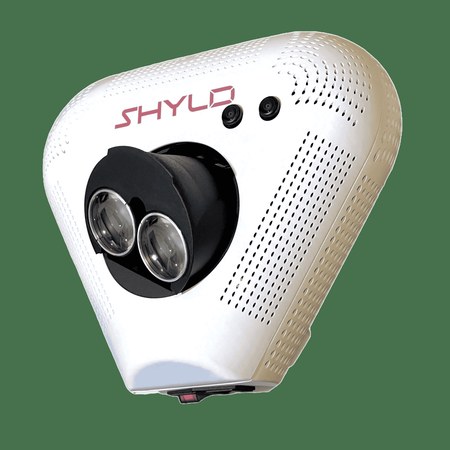
Shyld AI
Shyld AI builds autonomous, edge-native devices that watch hospital rooms with computer vision and sensors, then fire targeted UV-C light to kill pathogens the moment a room is empty or a high-touch surface is used. Founded by brothers Mohammad and Morteza Noshad, the Silicon Valley company sells an 'Active AI' platform to U.S. health systems that has shown a 93% reduction in environmental contamination in a peer-reviewed Stanford study.