healthcare-investing
(19)
Kimmy Scotti Built Her Investing Compass Before She Had a Fund
Before Neon, Kimmy Scotti learned venture capital by making things: jewelry, media, prescription savings and skincare. Her career is a study in following the useful clue, especially when it points somewhere unexpected.

Polaris Partners Gets to Work Before There’s a Company
The Boston venture firm helps turn academic science into businesses. Its record shows why finding the money can be easier than finding a market.

Welsh Carson Made a 47-Year Bet on Two Industries
The New York private equity firm has spent nearly half a century turning sector focus, repeat executives and operational playbooks into a business. Its healthcare record also shows where that model can collide with regulators.
The Durham Investor That Treats Venture Capital Like a Clinical Program
Pappas Capital has spent three decades turning laboratory risk into investable milestones. Its edge is less about chasing crowded hubs than combining drug-development judgment, company-building work and patient capital from a base in Research Triangle Park.
The Biotech Fund That Put Scientists in the Investment Committee
Catalio built a $2 billion healthcare investment platform around a simple wager: the people who invent the science may also be the best people to interrogate it.

The Biotech Map Has a Middle - and Bios Partners Is Betting on It
From a Fort Worth office, Bios Partners is testing a contrarian idea: great science is spread across America even when venture money is not. Its portfolio turns that geography lesson into a working investment strategy.
The Investors Who Stay for the Whole Story
For more than three decades, Baird Capital has backed founder-led B2B technology and services companies from an early venture check to a late-stage buyout - one global team, one employee-owned firm, and a preference for the sectors most people scroll past.
The Firm That Turned One Man's Duty-Free Fortune Into a $118 Billion Growth Machine
It began as one billionaire's quiet family office. Today General Atlantic writes some of the biggest checks in private markets - and it still calls itself a partner, not a boss.

The Doctor Who Traded the Exam Room for the Cap Table
A physician-turned-financier is buying up the unglamorous engine room of American healthcare - the home aides, clinical trial sites and hospice teams that most funds overlook.

The Firm That Buys Boring Businesses and Sends an Operator to Run Them
Liberty Partners backs the people who buy small companies and stay to run them. In healthcare, B2B services and financial services, its bet is that owners who fix boilers and read board decks build more durable businesses than spreadsheets alone.

Norwest Built a 65-Year Venture Firm Around One Unfashionable Idea: Range
In a market built on specialization, Norwest sells breadth: one global fund, checks from $1 million to $200 million, and an operator bench designed to show up only when invited.

The Firm That Bets on Companies That Already Work
For 40 years, Summit Partners has looked for founders who already found something that works - then handed them capital and a playbook to make it bigger. The results include Uber, McAfee, Klaviyo, and $9.5 billion of fresh dry powder.

B Capital Built a $12 Billion Bridge Between Founders and the Corporate World
Most venture firms promise a network. B Capital wired one into its operating model - then stretched it from Silicon Valley to Singapore and from seed rounds to late-stage growth.
The Quiet Compounders of Park Avenue
For 40-plus years, Harvest Partners has bought unglamorous middle-market companies and held them long enough to matter. Here is how a relationship-first shop on Park Avenue turned patience into a $20-billion franchise.
Inspired Capital Wants the Napkin, Not the Hype Cycle
The New York firm has nearly $900 million, fewer than 10 new bets a year and a taste for founders still sketching the future. Its wager is that operating experience and patient conviction can beat venture capital by trend cycle.

The Private Equity Firm Betting That Public Problems Can Produce Private Returns
The Vistria Group has built a $17 billion investment platform around a provocative premise: the hardest systems to navigate may also hold the most durable opportunities to create value.

Lightspeed Built a $9 Billion Bet on the Long Game
Lightspeed has grown from an enterprise-focused Silicon Valley partnership into a global, multi-stage investor. Its newest funds reveal the real strategy: specialist judgment, patient capital and enough range to keep backing a company as the stakes rise.
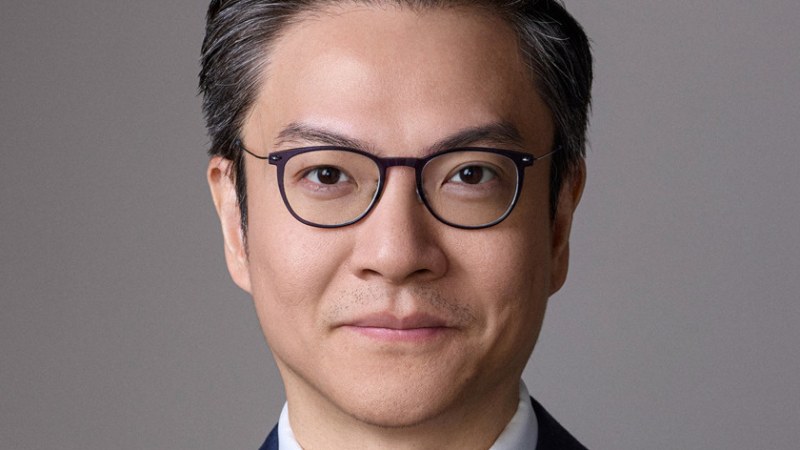
Kevin Xu
Kevin Xu is the Chairman and CEO of ClinChoice, a global full-service contract research organization (CRO) with more than 30 years of history, roughly 4,000 staff, and operations across 15+ countries. He arrived in the corner office from the investor's side of the table: for over 15 years he was a Managing Director at Goldman Sachs, where he built and ran the firm's Asia-Pacific Healthcare and Life Sciences investing practice, leading deals across biotech, pharma, medtech, CROs/CDMOs and digital health. Trained in neuroscience and clinical psychology before finance, he is an outspoken advocate for destigmatizing mental illness and an unlikely wake-surfer.
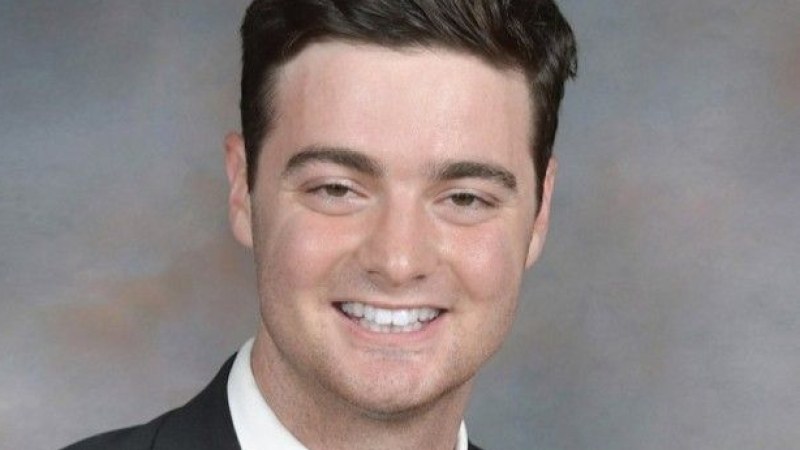
Giovanni Ahern
Giovanni Ahern is an Investing Partner at Andreessen Horowitz (a16z), one of Silicon Valley's most influential venture capital firms, where he focuses on growth-stage investments. A dual-degree MIT graduate in Mathematics and Computer Science with Economics, Ahern built his investment acumen through roles at Blackstone, Houlihan Lokey, and three years as a Private Equity Associate at Bain Capital specializing in healthcare and technology. Joining a16z in September 2025, he brings a quantitative rigor and cross-sector perspective to backing the next generation of market-defining technology companies.