hardware-security
(7)
The Safest Click Is the One That Never Escapes
HP spent years trying to recognize every dangerous file. Then it bought a company built on a stranger premise: let the file run - just give it nowhere dangerous to go.
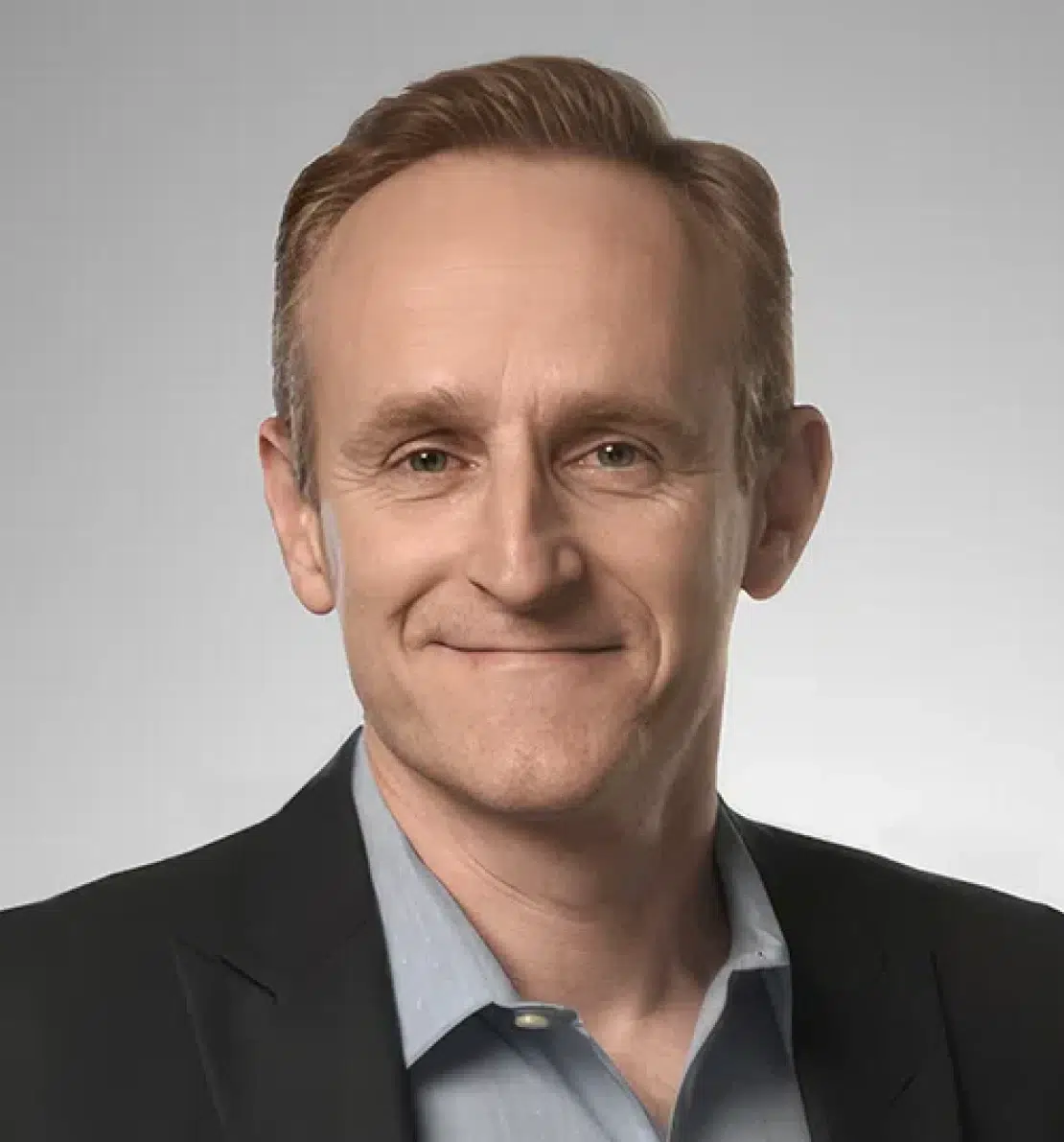
Michal Siwinski Makes the Invisible Traffic Inside AI Chips Legible
The chips powering AI, cars and data centers are becoming cities in miniature. Michal Siwinski has built a career explaining why their roads, rules and security matter as much as their engines.

Eclypsium Went Below the Operating System - and Found the Enterprise’s Soft Underbelly
Security teams learned to watch apps, identities, and operating systems. Eclypsium built a business around the layer underneath - the firmware and components everyone trusted because almost nobody could inspect them.

Arteris Put a Tiny Internet Inside the Chip - Then Turned the Traffic Jam Into a Business
Modern chips are crowded cities, and the roads now matter as much as the buildings. Arteris turned that traffic problem into a licensing business used across more than 4 billion chips and chiplets - while learning that connectivity alone was no longer enough.
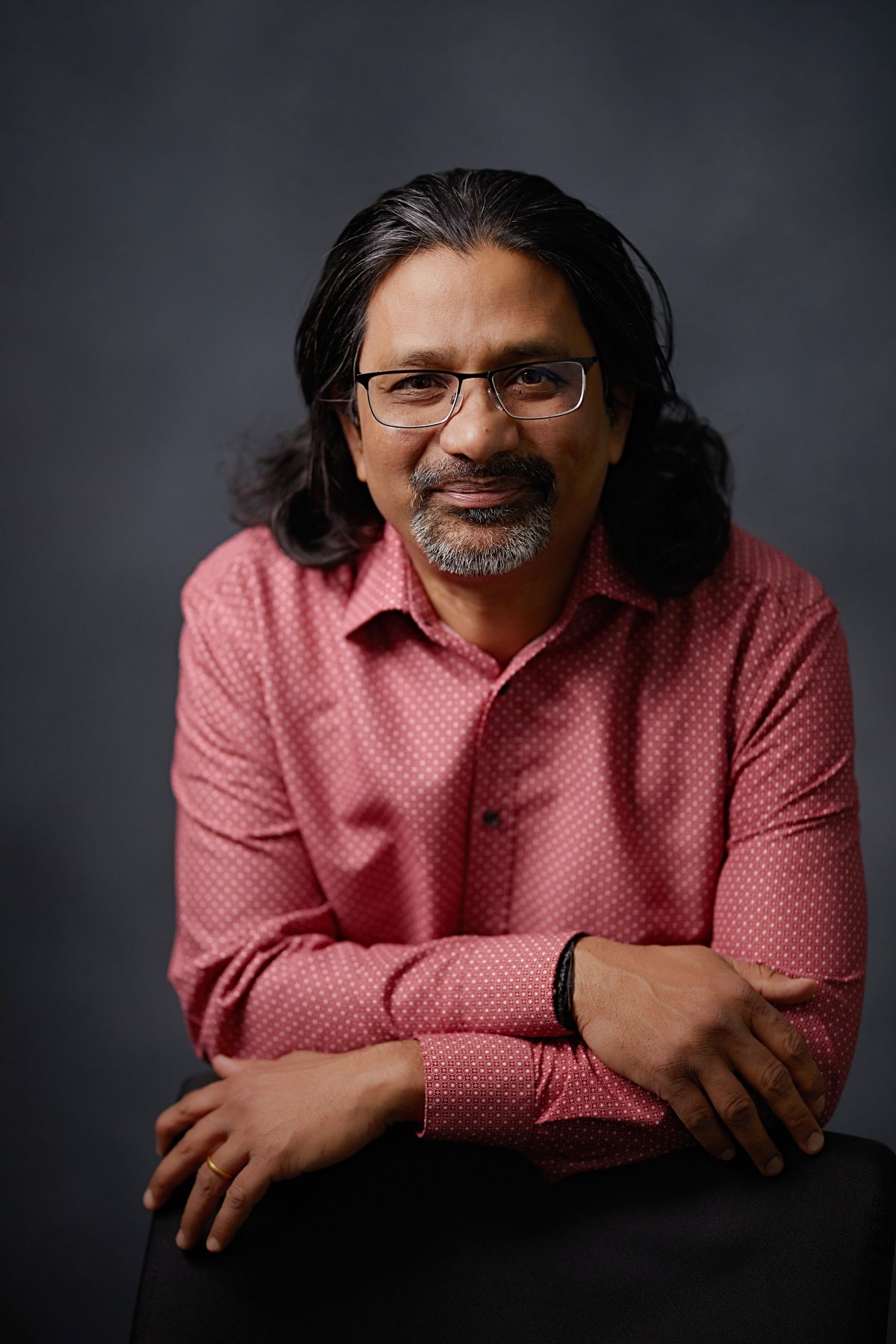
Gopi Sirineni Is Putting the Bouncer Inside the Chip
After helping turn mesh Wi-Fi into a household category, the Axiado chief is betting that AI infrastructure needs a watchful chip beneath the software stack - one that can secure, manage and cool the machines around it.

Axiado Corporation
Axiado is betting that the safest place to watch an AI server is beneath its operating system. Its security processor combines the machine's keys, management controls and local threat detection in one closely guarded piece of silicon.

DUST Identity
DUST Identity authenticates physical objects with a thin coat of engineered diamond dust. Each randomly oriented constellation of microscopic diamonds forms a fingerprint that cannot be copied, and that fingerprint is bound to a tamper-evident digital record. The result is an unbroken chain of trust from raw material to final delivery, used across aerospace, defense, electronics, luxury goods, and sports memorabilia.