handheld-ultrasound
(6)
Butterfly Network shrank ultrasound. The hard part came next.
A semiconductor chip made whole-body ultrasound fit in a pocket. Butterfly’s next challenge is getting the scan into the hands, habits, and medical records of the people who need it.

Sandeep Akkaraju Put Ultrasound on Silicon. The Bigger Idea Is Where It Can Go.
A backpacking year in West Africa gave a semiconductor entrepreneur a more demanding brief: build technology that travels. At Exo, Sandeep Akkaraju has spent a decade turning that conviction into a pocket-sized imaging system.

The Ultrasound Machine Wants to Become a Stethoscope
Exo squeezed three ultrasound probes, real-time AI and the paperwork of a hospital imaging program into one pocket-sized system. The harder trick is making bedside scanning routine rather than exceptional.

Amin Nikoozadeh
Amin Nikoozadeh is the founder and CEO of Vave Health, a San Jose company building affordable, wireless handheld ultrasound. A Stanford-trained electrical engineer who spent years shrinking an entire imaging system onto the tip of a 3mm catheter, he started Vave in 2015 after confronting a stark fact: roughly two-thirds of the world's population has no access to medical imaging. The company's pocket-sized probe earned FDA 510(k) clearance in 2019 and now powers millions of scans across hospitals, medical schools, and underserved clinics.
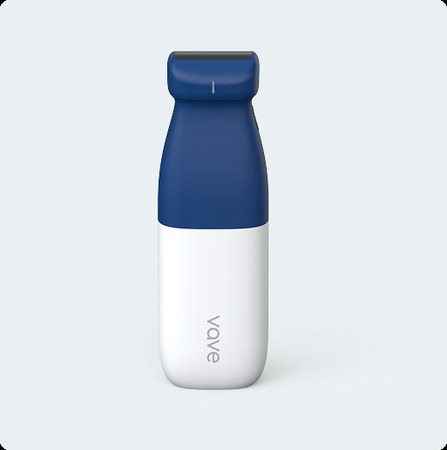
Vave Health
Vave Health is a San Jose-based medical device company making point-of-care ultrasound portable, wireless, and affordable. Founded in 2015 by Stanford PhD Amin Nikoozadeh, its handheld probes pair with any iPhone or Android device and carry no subscription fees, aiming to put diagnostic imaging in the hands of clinicians, students, and underserved communities worldwide.
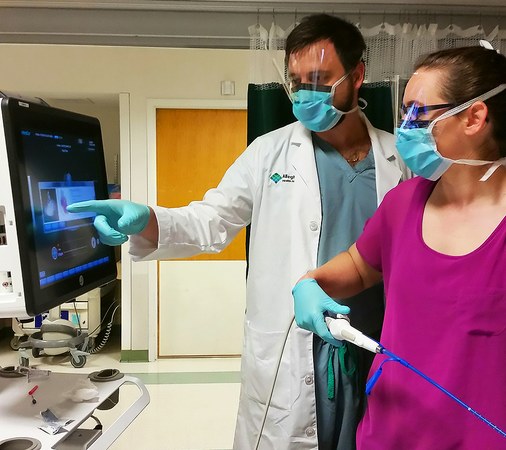
ImaCor, Inc.
ImaCor, Inc. is a New York medical-device company that built the world's first and only hemodynamic transesophageal echocardiography (hTEE) platform for the intensive care unit. Its miniaturized, disposable ClariTEE probe can stay safely in a critically ill patient for up to 72 hours, giving clinicians a continuous, direct window onto the heart - preload, contractility, and right- and left-ventricular function - so they can guide fluids and drugs in real time instead of guessing. In 2022 ImaCor and Clarius Mobile Health launched the FDA-cleared Zura Handheld Hemodynamic Ultrasound, a pocket-sized, 22-ounce TEE system that puts that window in a clinician's hand.