gut-brain-axis
(6)
Vertero Therapeutics, Inc.
Vertero Therapeutics is a clinical-stage biotechnology company in Woburn, Massachusetts, developing oral small-molecule drugs for neurodegenerative diseases by targeting causative drivers in the body's periphery - primarily the gut - rather than only the brain. Formerly Axial Therapeutics, the company rebranded as Vertero in October 2025. Its lead candidate, VT-5006, is a gut-selective small molecule for Parkinson's disease that targets CsgA, a bacterial protein linked to protein aggregation and neuroinflammation, and is entering Phase 1 trials.
Floré
Floré, built by San Diego biotech Sun Genomics, makes probiotics the slow way: you mail in a stool sample, an accredited lab reads the whole genome of your gut microbiome, and an algorithm trained on tens of thousands of prior formulations builds a supplement matched to the bacteria you actually carry. Founded in 2016 by former Illumina and LabCorp genomicist Sunny Jain, the company sells a subscription that re-tests and re-formulates over time, and has published peer-reviewed research pairing its precision synbiotics with gut and autism-spectrum outcomes.
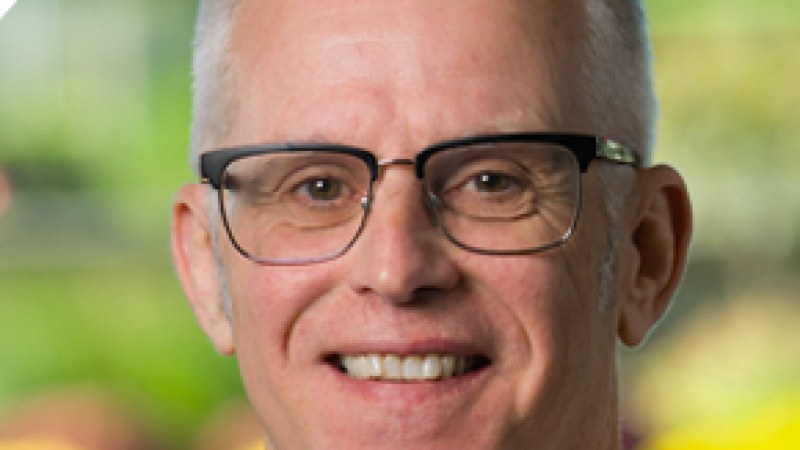
Stewart Campbell
A. Stewart Campbell, PhD, is the CEO of Vertero Therapeutics, the Woburn, Massachusetts biotech formerly known as Axial Therapeutics. A medicinal chemist by training with more than 30 years in drug discovery, he runs a company built on an unusual bet: that the road to treating Parkinson's disease starts in the gut, not the brain. Campbell joined in 2017, took the top job in February 2021, engineered the 2025 rebrand from Axial to Vertero, and is steering the lead candidate VT-5006, a gut-selective small molecule, into its first clinical trials. He is a co-inventor on more than 20 patent families, including the foundational patents behind the approved graft-versus-host disease drug Rezurock.
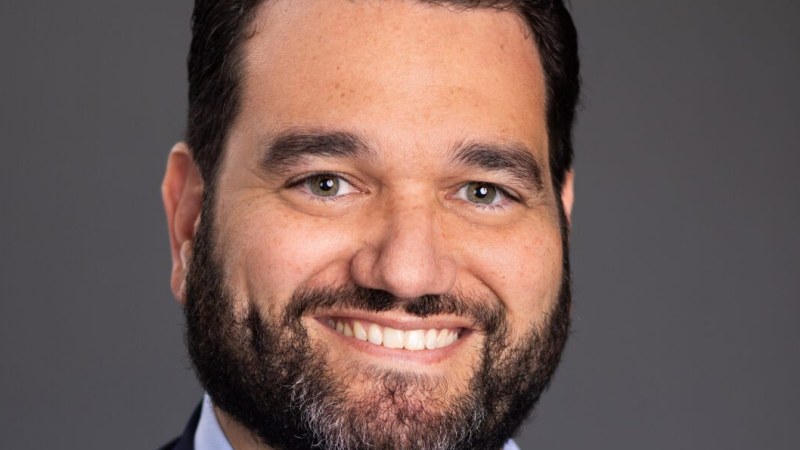
Louis Licamele
Louis Licamele, PhD is a computer scientist turned drug developer who serves as Chief Development Officer and EVP of Clinical and Data Science at Bloom Science, a San Diego biotech building microbiome-based, ketogenic-mimicking live biotherapeutics for obesity and neurological disease. A founding team member, he oversees biostatistics, clinical data management, and data-driven trial design for the company's lead candidate BL-001. He built his career at the intersection of data and medicine - a BS in biology and computer science from Georgetown, a PhD in computer science from the University of Maryland, and senior informatics and biometrics roles at Vanda Pharmaceuticals and REGENXBIO. He also runs The Licamele Group, advising healthcare companies on data science, AI, and regulatory strategy.
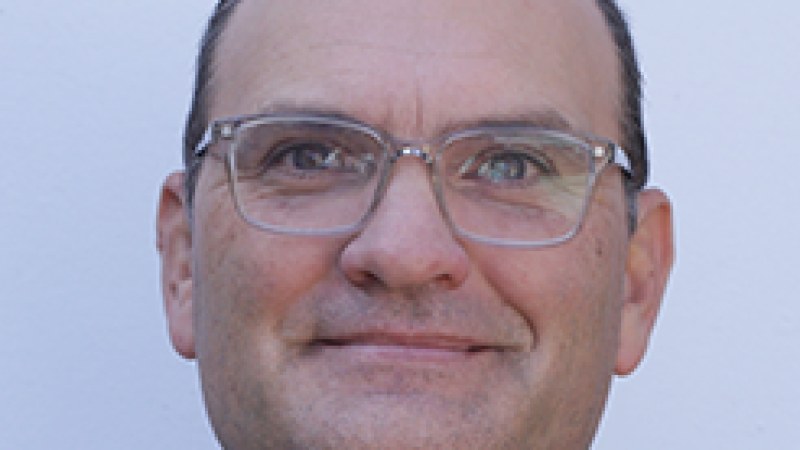
Christopher Reyes
Christopher Reyes is a biophysicist turned serial biotech entrepreneur and the CEO, co-founder, and director of Bloom Science, a San Diego company developing living medicines that harness the gut-brain axis. Bloom's lead program, BL-001, is a first-in-class oral live biotherapeutic designed to replicate the anti-seizure effects of the ketogenic diet, built on technology licensed from UCLA. With a PhD in biophysics from UCSF and a track record that includes a fast-acquired cancer startup, Reyes is betting that genetically optimized gut bacteria can treat pharmacoresistant neurological diseases.

Bloom Science, Inc.
Bloom Science is a San Diego clinical-stage biotech translating the biology of the ketogenic diet into oral live biotherapeutics that act through the gut-immune-brain axis. Built on microbiome research licensed from UCLA and powered by its IrisRx discovery platform, the company is developing BL-001, a once-daily bacterial therapy being studied in obesity and in drug-resistant seizures from Dravet syndrome, with a pipeline reaching toward ALS and neurodegenerative disease.