gas-fermentation
(3)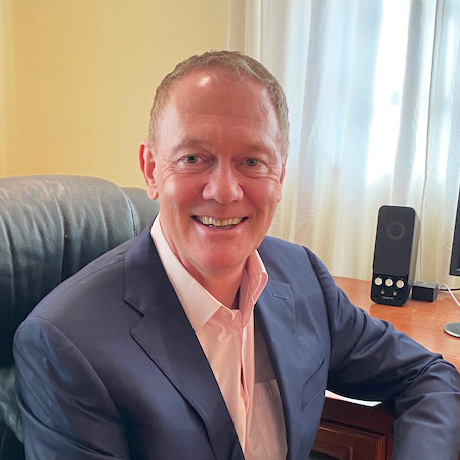
Alan Shaw and the Food-from-Fuel Bet
A chemist who spent years trying to make fuel from plants found a more useful reversal: make protein from methane. Alan Shaw’s second biotech act is a lesson in recognizing the market hiding inside the science.
Noah Helman
Noah Helman is the co-founder and CEO of Industrial Microbes (iMicrobes), an Alameda, California synthetic biology company that engineers the central metabolism of microbes so they can eat cheap, renewable feedstocks - ethanol and methane - and spit out the chemicals normally pumped from petroleum. A Stanford applied-physics PhD who spent roughly a decade in physics labs before crossing into biology, Helman co-founded the company in 2014 with two fellow alumni of the biofuels startup LS9. iMicrobes targets drop-in, cost-competitive, net-zero versions of acrylic acid (for paints and adhesives) and acrylonitrile (for carbon fiber). The company went through Y Combinator's W15 batch, holds more than 20 patents, raised a $10M+ seed round in late 2024, and in 2025 announced it had scaled production of 100% bio-based, high-purity acrylic acid.
Shannon Nangle
Shannon Nangle is a microbe-wrangling scientist turned CEO who co-founded Circe Bioscience to make fats, oils, and even chocolate out of thin air. Her company feeds carbon dioxide, water, and electricity to engineered microbes that grow like plants and excrete valuable molecules, producing food and industrial ingredients in a carbon-negative way. Spun out of Harvard's Wyss Institute in 2021, Circe made what it calls the world's first gas-fermentation-derived chocolate and has raised over $17 million to scale a manufacturing process Nangle spent six years building.