founder-mode
(6)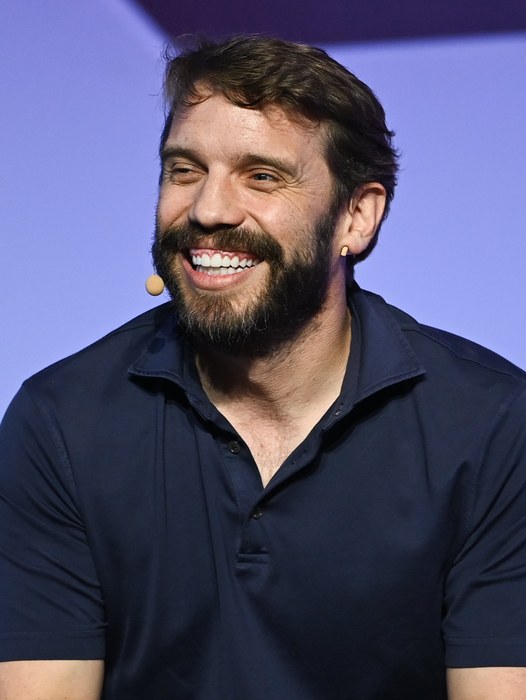
Ryan Petersen on AI, Logistics, and the Future of Flexport
In this episode of Y Combinator's podcast The Light Cone, Flexport founder and CEO Ryan Petersen explains how artificial intelligence is transforming global logistics. Petersen details how AI already saved 2% of Flexport's ocean freight spend while improving transit time 20%, how the company aims to make ocean container shipping 8-10% cheaper, and how AI agents now make phone calls, parse contracts, detect unhappy customers, and automate freight forwarding work. He also reflects on incumbency advantages in AI, his personal 'founder mode' evolution, capital discipline, and a sweeping philosophical vision of what automation means for humanity.

Antonio Juliano
Antonio Juliano is the founder and CEO of dYdX, one of the largest decentralized exchanges for crypto perpetuals and derivatives. A Princeton computer science graduate who learned crypto at Coinbase, he launched dYdX in 2017 and built it into a leading DeFi protocol. After stepping back from daily operations in 2024, he returned as CEO six months later, declaring he was going into 'Founder Mode' to revitalize the company.
Brian Chesky
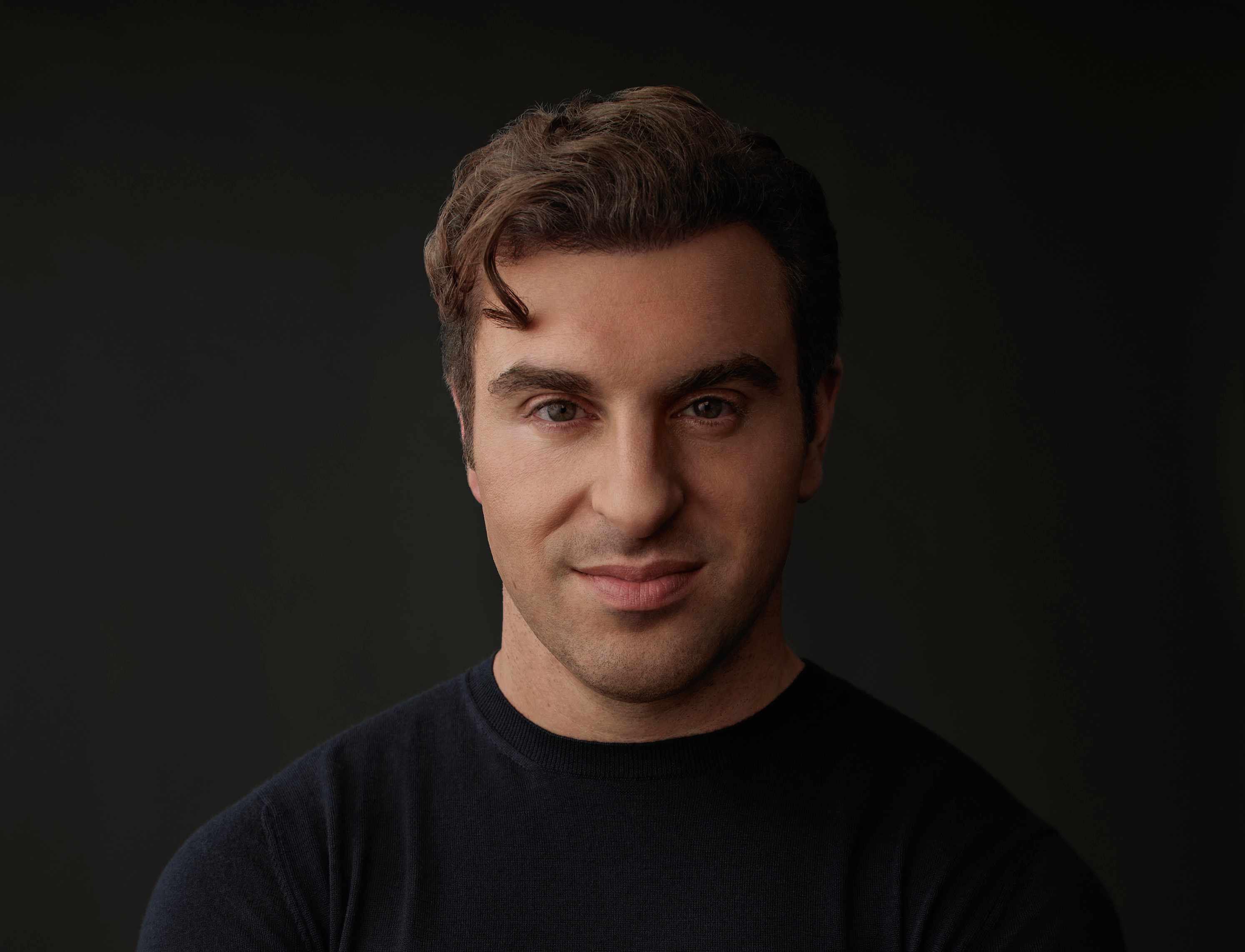
Brian Chesky is the co-founder and CEO of Airbnb, the global home-sharing and travel marketplace operating in 220+ countries. A Rhode Island School of Design-trained industrial designer, Chesky built Airbnb from a $80/night air mattress rental in his San Francisco apartment into a company that went public in December 2020 at an ~$86.5 billion market cap — just nine months after losing 80% of its business to COVID-19. In 2024, his hands-on leadership philosophy sparked a viral debate in Silicon Valley under the term 'founder mode,' coined by Y Combinator's Paul Graham after a Chesky talk. As of 2025, he is steering Airbnb's boldest pivot yet: from a home-rental platform to a full-service travel ecosystem.
Eoghan McCabe
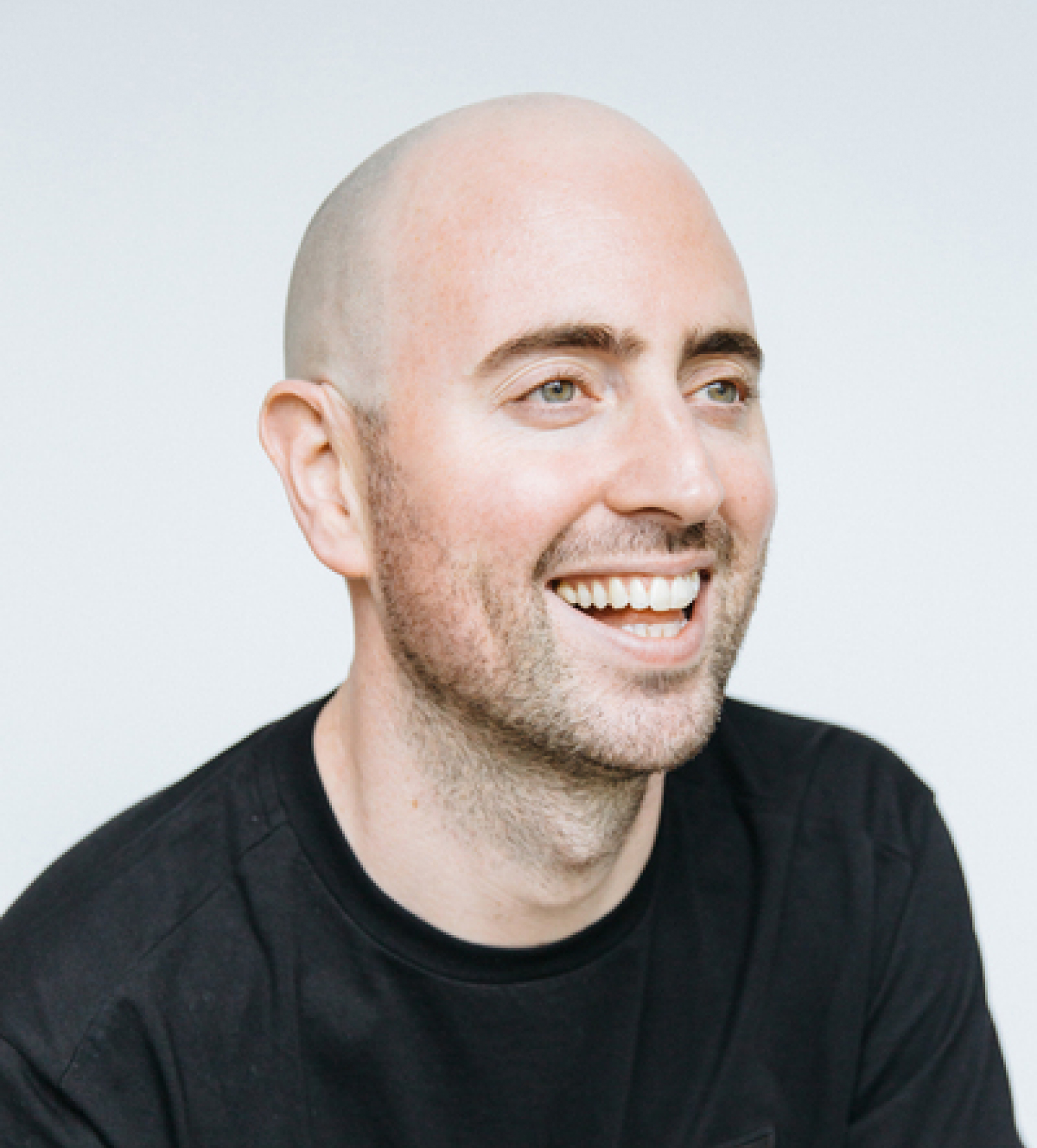
Eoghan McCabe is an Irish technology entrepreneur born in Dublin in 1984, best known as the co-founder and CEO of Intercom — the AI-first customer service platform he founded in 2011 alongside Des Traynor, Ciaran Lee, and David Barrett. After building Intercom into a $1.3B+ unicorn over its first decade, McCabe stepped down as CEO in 2020 due to a neurological autoimmune disorder, then dramatically returned in October 2022, just weeks before ChatGPT launched. Within six weeks he had a prototype of Fin, Intercom's AI agent, and proceeded to cut roughly 40% of staff and redirect the entire company toward AI — a bet that paid off: Intercom hit an estimated $343M in revenue in 2024 (+25% YoY), raised $125M from Kleiner Perkins and $250M in debt from Hercules Capital (March 2026), and recorded its largest-ever quarter by net new ARR in Q1 FY2026.
Vinod Khosla
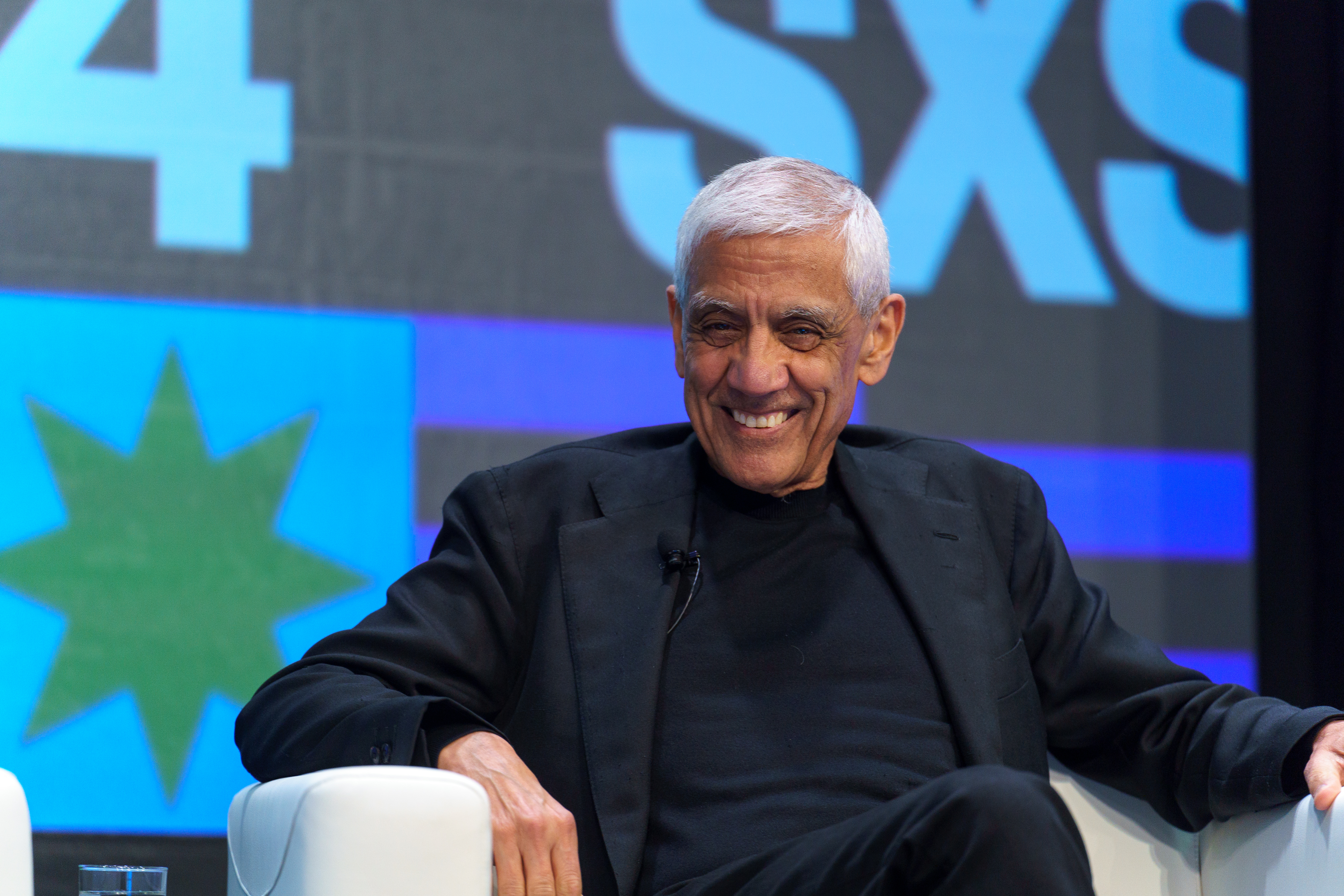
Vinod Khosla (born January 28, 1955, in Pune, India) is one of Silicon Valley's most influential entrepreneurs and venture capitalists - a self-made billionaire who co-founded Sun Microsystems in 1982, then went on to back transformative companies including OpenAI, DoorDash, Instacart, Stripe, Affirm, and Impossible Foods through his firm Khosla Ventures, which manages approximately $15 billion in capital. Known for his contrarian, 'black swan' investment philosophy, uncompromising directness, and audacious predictions - including that AI will replace 80% of all jobs by 2030 and make core services like healthcare and education free by 2040 - Khosla frames his life's work not as wealth creation but as deploying technology to solve civilization-scale problems. A Giving Pledge signatory with a net worth of $13.4 billion (Forbes, January 2026), he is also a philanthropist whose wife Neeru's CK-12 Foundation has reached over 130 million learners globally, and who prefers the title 'venture assistant' to 'venture capitalist.'
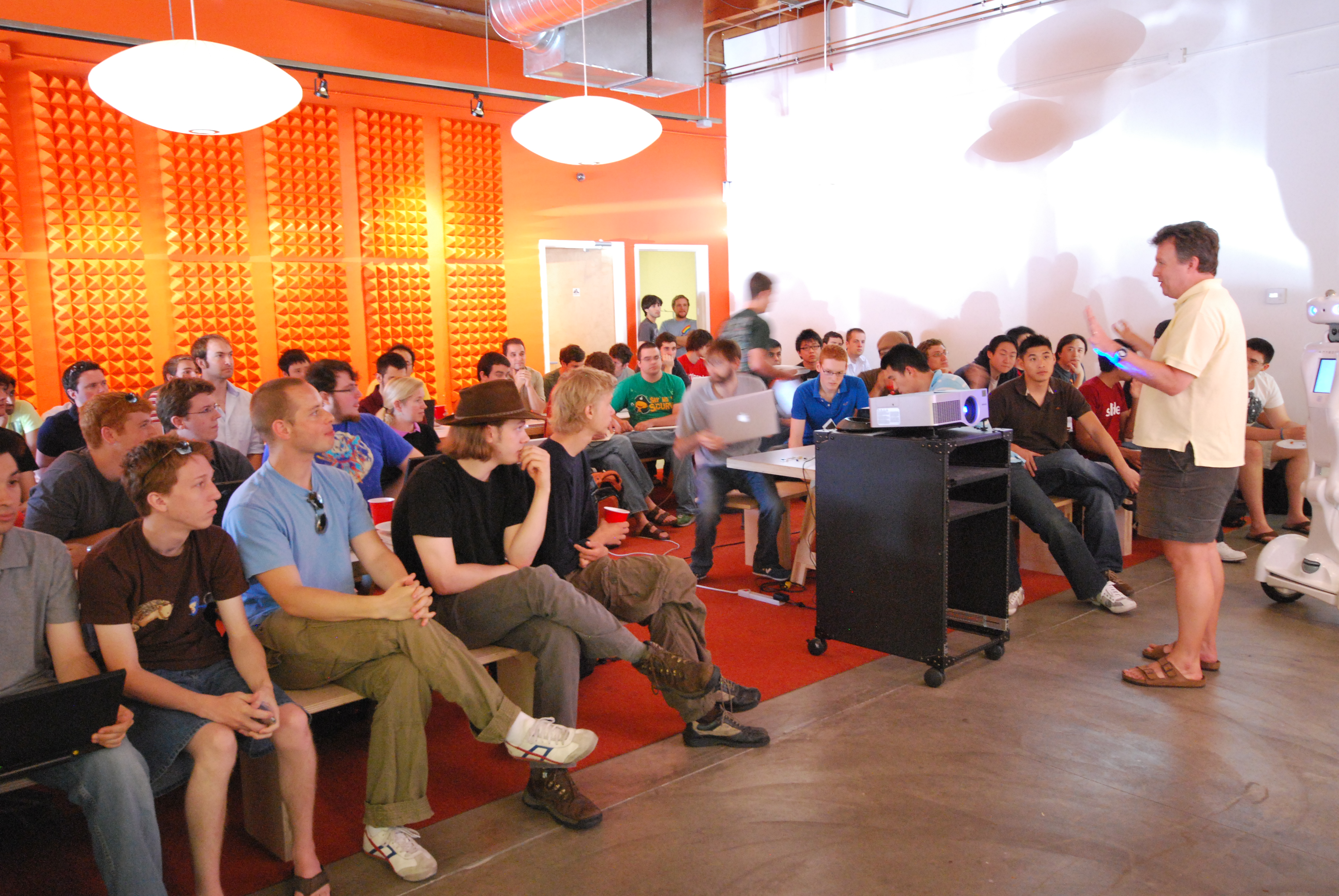
Paul Graham
Paul Graham is a programmer, essayist, and co-founder of Y Combinator, the seed accelerator that launched Airbnb, Stripe, Dropbox, Reddit, and OpenAI. He sold his first startup Viaweb to Yahoo for $49.6 million in 1998, then used that platform to build one of the most influential idea-factories in tech history. His essays at paulgraham.com have become the de facto canon of startup culture, read by millions of founders seeking clarity on how to build, think, and live.