food-innovation
(7)
The $30 Million Sandwich Roll That Taught Hero Bread How to Sell Bread
Hero Bread spent more than $30 million developing a very good roll for a very difficult customer. Its escape from the Subway trap became a sharper lesson: before asking a giant retailer to believe, find a thousand ordinary people who already do.
Hamburg Startups knows who you need to meet
A local newsroom became a club, a food-industry meeting place and a stage for women founders. Hamburg Startups has spent more than a decade turning attention into introductions - while learning what those introductions should cost.
Starday Built Four Food Brands to Sell the Food Industry Something It Lacks: Conviction
The Scottsdale startup spent four years turning hazelnut spread, chickpea crunch, seasoned rice and sweet-potato crackers into a live-fire test of its software. Now it is selling the decision system behind the snacks to the food companies that cannot afford another pretty dashboard.

Big Idea Ventures Wants to Turn Food Science Into Infrastructure
The New York investor does more than write checks. It links scientists, factories, corporations and rural universities in a bid to move food technology from the lab to the loading dock.
Foodberry
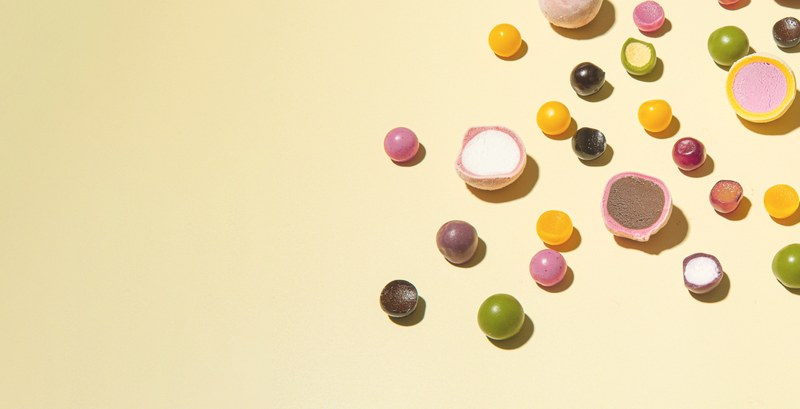
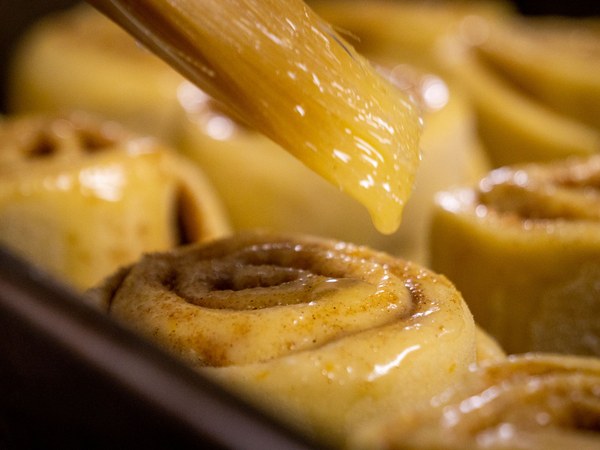
Foodberry is a Boston food-technology company that reverse-engineers the way nature wraps fruit. Its proprietary plant-based coatings turn purees, nut butters, dairy, and even ice cream into self-contained, mess-free, bite-sized snacks - no plastic wrapper required. Spun out of Harvard and MIT lab research and backed by 20-plus issued patents, Foodberry works as a B2B innovation and co-manufacturing partner to consumer brands, with a recent strategic partnership with Bel Group (Babybel, GoGo squeeZ) aimed at the $6B+ U.S. fruit-snack category.
Savor
Savor is a San Jose food-tech company making real fats - butter, oils, cocoa-butter analogues - from carbon, hydrogen and oxygen instead of cows, palms or coconuts. Backed by Bill Gates' Breakthrough Energy Ventures, it commercialised its first carbon-derived butter in 2025.
Wildtype
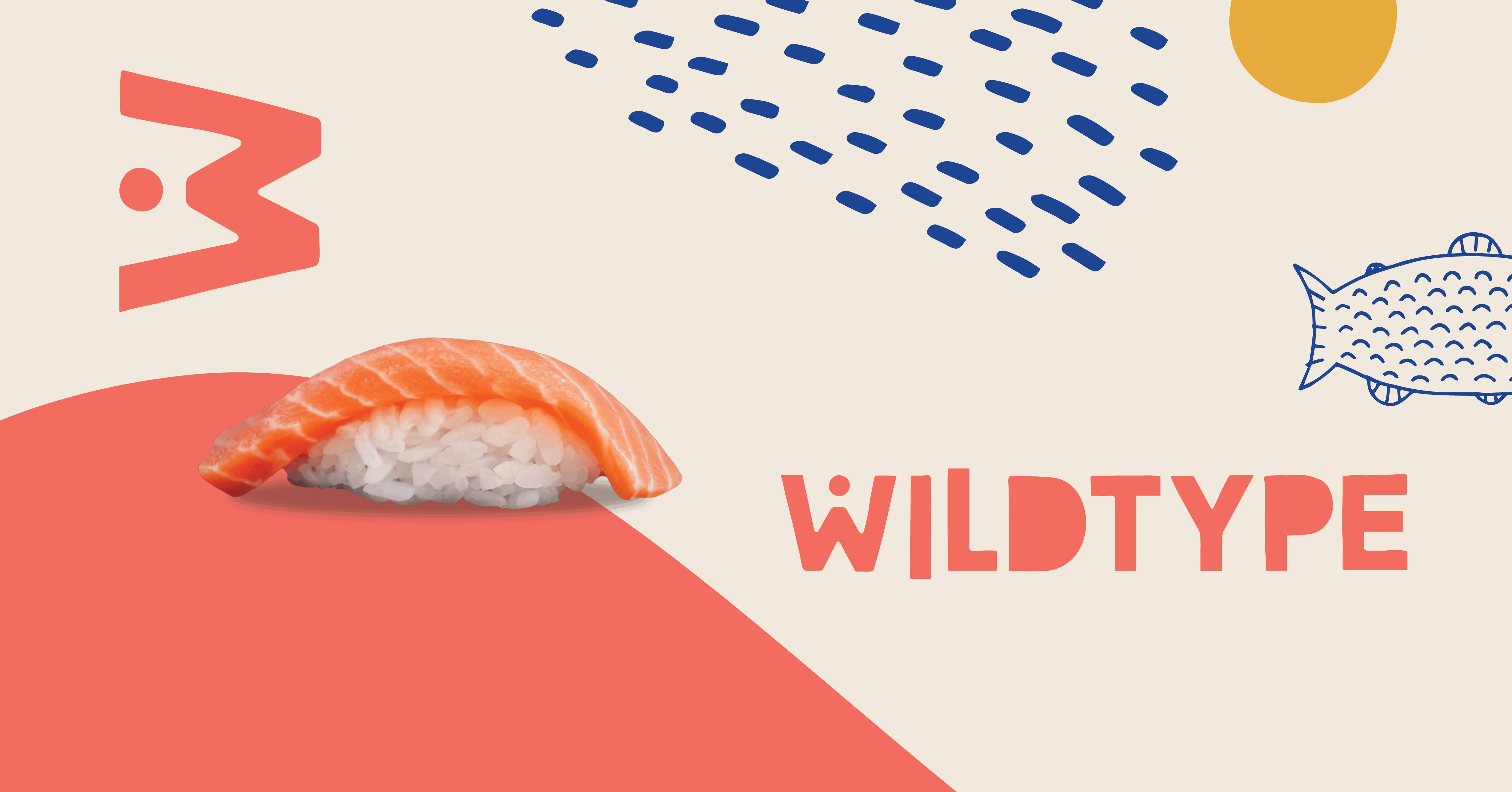
Wildtype is a San Francisco-based cultivated seafood company that grows real salmon from fish cells in stainless steel bioreactors - no fishing, no farming, no ocean required. Founded in 2016 by a cardiologist-turned-food-scientist and a former U.S. Foreign Service officer, the company received FDA clearance in May 2025, making it the first cultivated seafood product approved for sale in the United States. With $123.5M raised and backing from Jeff Bezos, Leonardo DiCaprio, and Cargill, Wildtype is betting that the future of seafood is grown, not caught.