fintech
(18)
Deel Went Wide. Papaya Built the Rails.
The global payroll rivals started in the same lane. Now Deel is assembling an HR operating system while Papaya Global is betting that owning the payment layer matters more.

BILL and Brex Are Fighting for the Same Finance Desk
One began with invoices, the other with cards. Their race toward an all-in-one finance desk reveals what CFOs gain, what they risk, and why ownership now matters.

The Card Network Ate Center. Emburse Ate Everyone Else.
Two expense-software empires took opposite roads to the same prize. Emburse spent years stitching together aging brands like Certify and Chrome River; Center simply handed the keys to American Express - and finance teams are the ones who have to live with the difference.
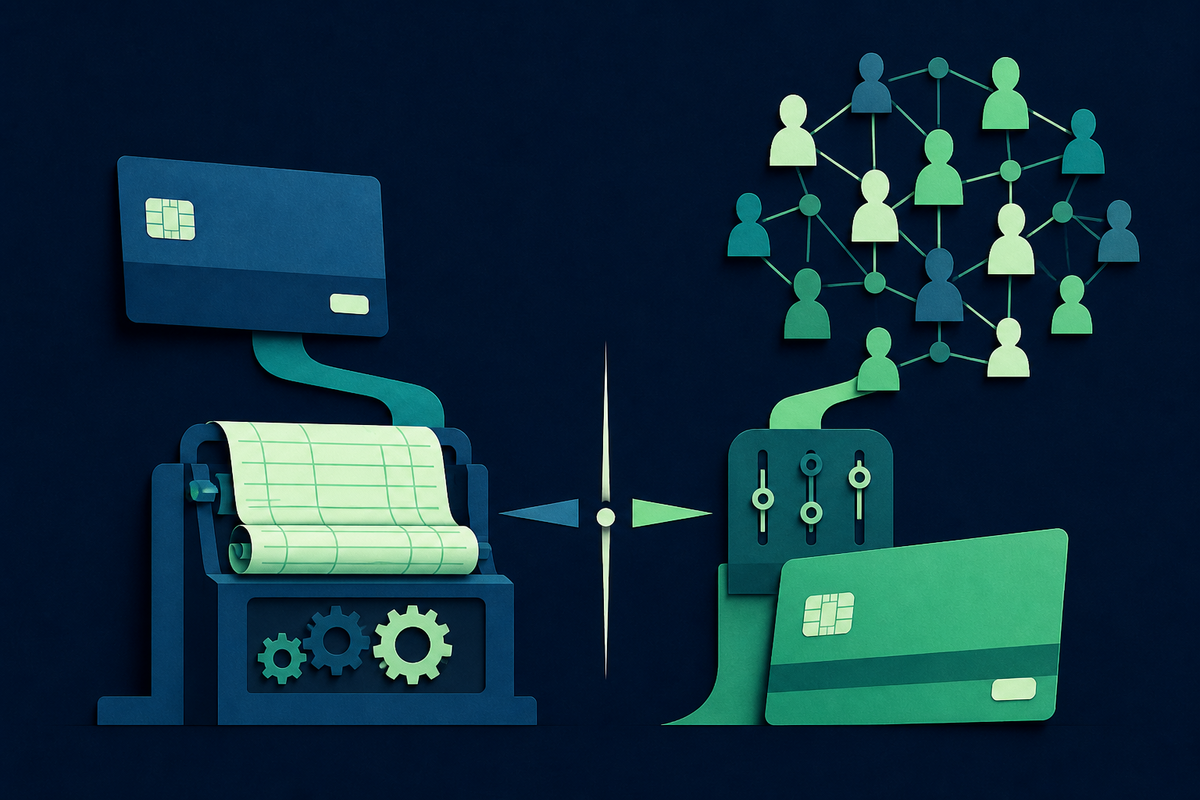
Brex and Rippling Want Your Spend for Different Reasons
Brex built a finance stack and learned to choose its customers. Rippling built a workforce system and turned spend into one more reason to stay.

Ramp and BILL Are Fighting to Own Every Company Dollar
BILL bought Divvy to move beyond paying invoices. Now its fight with Ramp is a contest over who gets to control business spending before, during, and after the swipe.

One Startup Bets on Goals, the Other Owns the Money
Betterworks turned Google's goal-setting religion into enterprise software. Papaya Global decided the real leverage was in owning the payroll payment itself. Here is how the two HR-tech bets actually differ.
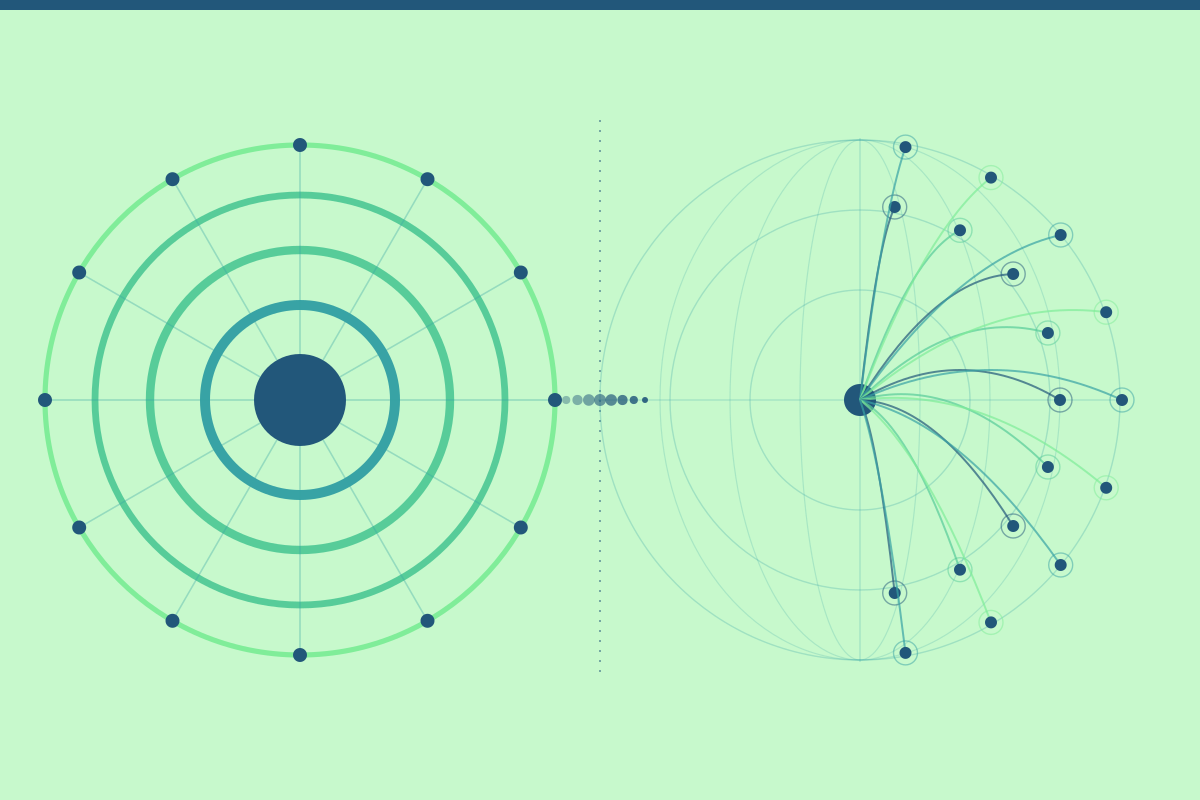
One Rang The Bell. The Other Went Everywhere.
Bill.com took the domestic route and the ticker symbol. Tipalti stayed private and wired money to nearly two hundred countries. Same problem, two very different bets on how businesses pay.

One is where the money lives, one is how it moves
Mercury is the bank account a startup opens; Modern Treasury is the software layer that pushes payments across it and every other account a company holds. Two of fintech's quiet giants, solving opposite halves of the same problem.
NetSuite Already Has The Controls So Why Bolt On Ramp
NetSuite bakes spend controls and approval workflows straight into its general ledger. So the finance team's real decision is not which tool wins, but whether to run the module they already own or bolt Ramp's card platform on top of it.

One Fintech Built A Bank The Other One Rents One
Column bought a national bank charter and sells it to developers. Bluevine sits on someone else's charter and sells checking and loans to small businesses. Same industry, opposite bets.

Mercury Wants Your Runway, Novo Wants Your Workflow
Both fintechs offer fee-free business checking, but they are built for different moments. Mercury turns a startup's balance sheet into a finance stack; Novo helps an independent business turn daily work into organized cash flow.

Your Business Bank Isn’t Actually a Bank
Mercury, Novo, Relay, Found and Bluevine sell a cleaner way to manage company cash. The more important comparison starts beneath the interface, with the bank holding the deposits, the sweep structure and the records that make FDIC coverage work.

The Software Race to Make Your Bank Statement Readable
OpenText, Formstack, Crawford Technologies and Sefas Innovation quietly run the plumbing behind every bill, statement and letter you get - and a new accessibility law just turned their unglamorous work into a deadline.

The Invisible Software Behind Every Bill You Actually Read
CleverTap, Doxim, Broadridge, Customer.io and a handful of rivals fight over the same quiet job - turning your bank statements, app pings and renewal notices into something you open. Here is how the customer communications business actually works.

The Quiet Software War Over Every Bill You Receive
Doxim, Intense Technologies, Infobip and Templafy don't make headlines, but they quietly decide how your bank, insurer and phone company talk to you - and the market for that plumbing is racing past $2 billion.

DataOceans Makes the Boring Letters From Your Bank Work
The Norcross, Georgia company has spent two decades on the software most founders ignore: the statements, notices, and adverse-action letters regulated industries are legally required to send. It turns out there is a real business in the mail nobody wants.

How boost.ai Taught Norwegian Banks to Answer Their Own Phones
A team of coders in Stavanger built conversational AI for the industries that fire you for getting it wrong. Ten years on, 600-plus AI agents handle 150 million conversations a year for banks, insurers and governments.
The Compliance Tax Nobody Reads on the Invoice
Regulated industries buy contact center software differently. A fintech or lender is not comparing feature checklists, it is asking where customer data lives and who is liable when something goes wrong. This story examines the 'compliance tax' that financial services companies pay for cloud contact centers, and how UJET's CRM-first architecture answers it differently than Talkdesk or Five9 by keeping customer data and PII inside the system that already owns it. Capital on Tap, a UK-and-US business credit provider serving 200,000 small businesses, is the published example: after cycling through three CX vendors in two years, it lifted SLA attainment to 92% on UJET.