fintech-investing
(11)
Spark Capital Bet on Products Before They Became Markets
The venture firm behind Twitter, Tumblr, Oculus and Anthropic built its reputation by treating taste as diligence and patience as a product. Twenty-one years in, its dog logo still says more about the strategy than a spreadsheet does.

The 98 Is Betting the Venture Gap Is a Market Mispricing
Women-led startups still receive a sliver of venture funding. The 98 treats that gap not as a charity brief, but as an investable inefficiency - then brings an operator network to the cap table.
The VC Betting Pakistan's Cash Economy Will Become Software
Zayn VC looks sector-agnostic until you follow the money. Across wallets, freight, fashion and student loans, its portfolio makes one recurring wager: digitize the transaction first, then build finance on top of it.

The Small-Portfolio Bet Behind Mendoza Ventures
The Boston firm is trying to prove that a venture fund can stay institutional, stay hands-on and still widen the door. Its method is unusually finite: three technical sectors, a 12-to-15-company portfolio and more contact than a quarterly board meeting.
The Venture Firm That Refuses to Rush the Clock
Most venture funds are built around an expiration date. Cue Ball Capital is built around the opposite idea: give good people, useful products and durable companies the time they actually need.

The Private Equity Firm That Treats Payments Like Product
Blue Star Innovation Partners does not sell founders a distant board seat. It sells them a working session - then brings a payments playbook, an operator bench, and capital to the table.

Inspired Capital Wants the Napkin, Not the Hype Cycle
The New York firm has nearly $900 million, fewer than 10 new bets a year and a taste for founders still sketching the future. Its wager is that operating experience and patient conviction can beat venture capital by trend cycle.

The Chicago Firm That Made a Business Out of Betting on the Boring Pipes of Finance
Spun out of one of the world's most secretive trading firms, Jump Capital has spent a decade quietly funding the infrastructure that markets, money, and software run on - and it prefers the unglamorous parts.

The Venture Firm That Bet on China Before the Map Got Complicated
GSR Ventures found Didi, Ele.me and Xiaohongshu while they were still risky ideas. Two decades later, its early-stage playbook remains intact - but the cross-border world that made it distinctive has been redrawn.

Lightspeed Built a $9 Billion Bet on the Long Game
Lightspeed has grown from an enterprise-focused Silicon Valley partnership into a global, multi-stage investor. Its newest funds reveal the real strategy: specialist judgment, patient capital and enough range to keep backing a company as the stakes rise.
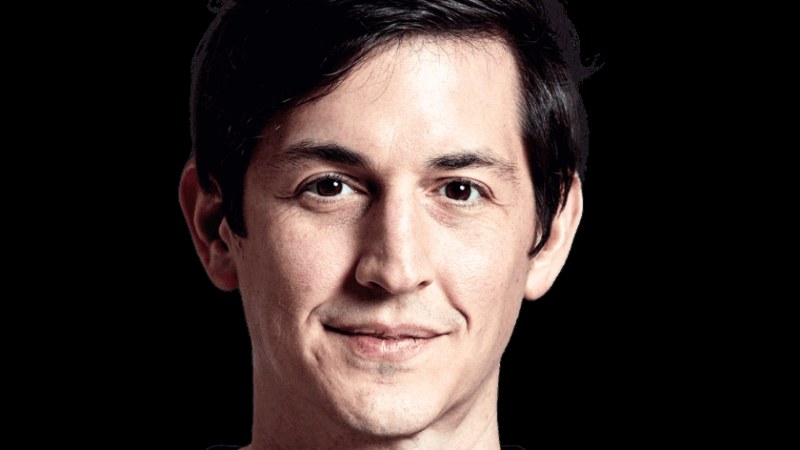
David Haber
David Haber is a General Partner at Andreessen Horowitz (a16z), based in New York City - the firm's first full-time GP in Manhattan. A Harvard-trained biochemist turned fintech operator-investor, Haber founded Bond Street (acquired by Goldman Sachs in 2017), seeded Plaid at Spark Capital, and now co-leads a16z's AI Apps fund with a focus on vertical AI, enterprise software, and financial services. Known as the 'super-connector' who bridges Wall Street and Silicon Valley, he sits on the boards of Camber, Crux, Eve, Moment, Rutter, Setpoint, and Tennr.