fermentation
(9)
The Yellowstone Microbe That Wants Your Breakfast Table
A geomicrobiologist scooped a strange fungus out of a Yellowstone hot spring. A decade and half a billion dollars later, it is being sold as cream cheese, yogurt and breakfast patties.
The Danish Company Betting That Microbes Can Do What Chemistry Can't
Novozymes and Chr. Hansen spent a century turning bacteria and enzymes into industrial ingredients. In 2024 they became one company - and quietly one of the biggest biotech businesses you have never heard of.

The Dumpling Company That Also Grows Plastic
CJ CheilJedang turned Korean pantry staples into a global frozen-food business. Behind the dumplings is a second company built on fermentation, amino acids and a bet that microbes can make better materials.
Manus
Manus (Manus Bio) is an MIT-born industrial biotechnology company that engineers microbial cell factories and precision fermentation to produce natural ingredients - sweeteners, flavors, fragrances and pharmaceutical building blocks - that are normally extracted from plants or made from petrochemicals. Branded as 'The BioAlternatives Company,' Manus runs an R&D hub in Boston and a commercial-scale biomanufacturing plant in Augusta, Georgia, where it makes products such as monk fruit sweetener and stevia Reb M for partners including Givaudan and Tate & Lyle.
Aralez Bio
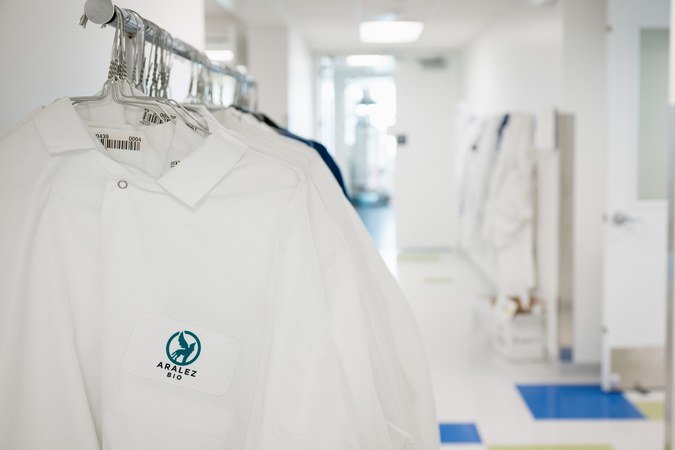
Aralez Bio is a Berkeley, California biotechnology company that uses engineered enzymes and directed evolution to manufacture noncanonical amino acids (ncAAs) - the specialized building blocks used in peptide drugs and other pharmaceuticals. Spun out of Nobel Laureate Frances Arnold's Caltech lab in 2019, the company runs biocatalytic reactions that produce enantiopure ncAAs in a single step with water as the main byproduct, expanding the amino acid toolbox roughly 1,000-fold. Aralez sells a catalog of thousands of exclusive amino acids and offers custom synthesis and ton-scale production for pharmaceutical customers, including partners among the world's largest drug companies.
Berkeley Yeast
Berkeley Yeast is an Oakland-based biotechnology company that bioengineers specialized yeast strains for brewers, winemakers, and beverage makers, giving fermented drinks new flavors, greater consistency, and lower resource use without changing a brewery's existing equipment or process.

Aeronaut Brewing Company
Aeronaut Brewing Company is a Somerville, Massachusetts craft brewery founded in 2014 by three grad-school roommates who brought MIT and Cornell science backgrounds to beer. Known for propagating its own house-cultured yeast and experimental recipes, Aeronaut pairs adventurous ales and lagers with a Somerville taproom that doubles as a food hall, live-music venue and community hub. In 2024 it merged with Dorchester Brewing Company under a new parent, Tasty Liquid Alliance.
Tezza Foods
Tezza Foods makes the first dairy-free yogurt that goes spoon-for-spoon with Greek yogurt. By culturing and straining organic American-grown soymilk, the Oakland-based company turns whole soybeans into a thick, high-protein yogurt with the protein and probiotics of dairy Greek yogurt - plus fiber and omega-3s - using about 90% less land, water and emissions than dairy. Founded in 2019 by MIT-trained microbiome scientist Nathaniel Chu and Josh Moser, Tezza is a public benefit corporation built on the idea that the world's most nutritious and sustainable protein should be the one we all eat.

Antheia, Inc.
Antheia is a Menlo Park biotech using engineered yeast to brew the active ingredients behind essential medicines - replacing slow, weather-dependent poppy farming with industrial-scale fermentation. Founded out of Stanford's Smolke Lab, the company aims to end pharmaceutical shortages by turning sugar into complex molecules like thebaine in weeks instead of years.