fault-tolerance
(6)
IBM’s $10 Billion Quantum Bet Has a 2029 Deadline
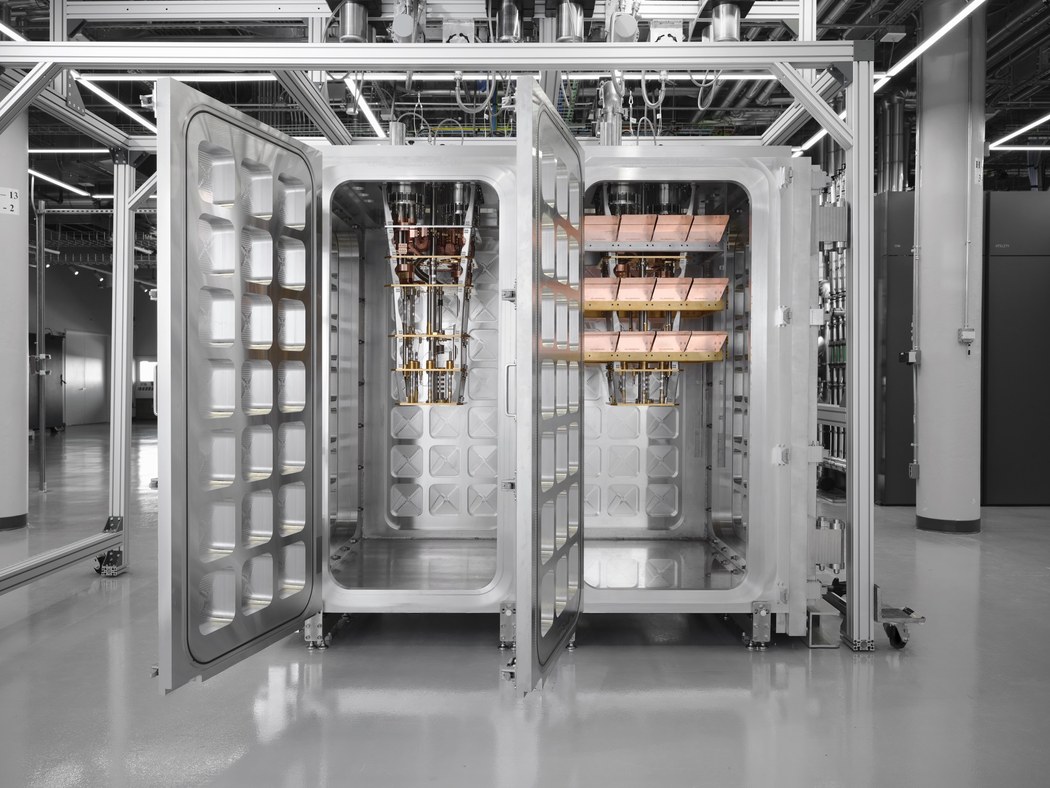
IBM has committed more than $10 billion over five years to pursue fault-tolerant quantum computing. Two connected cryogenic modules mark a real step toward Starling, but the 2029 target still has to survive the laboratory.
The Computer That Replaces Its Own Atoms
Atom Computing thinks the route to a useful quantum machine begins with a strange convenience: when an atom misbehaves, nature has made billions of identical replacements.

Erlang Solutions sells the art of staying online
A chat server, a streaming migration and a very long memory for failure: inside the consultancy turning Erlang’s telecom inheritance into working software.

Temporal Technologies
Temporal Technologies builds a durable execution platform that lets developers write reliable, long-running applications as if failures never happen. Born from the open-source Temporal engine created by ex-Uber and AWS engineers, it automatically persists application state, retries failed steps, and resumes workflows after crashes. Offered as open source and as the managed Temporal Cloud, it is used by more than 3,000 paying customers including Netflix, Snap, Stripe, and Nvidia, and is increasingly the backbone for reliable, stateful AI agents.

OpenClovis
OpenClovis is a Petaluma, California infrastructure-software company that builds SAFplus, a carrier-grade high-availability middleware platform for telecom, networking, and defense equipment. Its libraries, GUI tools, and code generators let engineers design multi-node clustered applications with sub-second fault detection and failover, targeting the 99.999% (five-nines) uptime demanded by network operators. Founded in 2002 and offered under a dual open-source (GPL) and commercial license, SAFplus has been used in deployments by companies including Sonus, HP, Ericsson, NASA, and Lockheed Martin.

Quobyte
Quobyte is a software company that turns commodity x86 or ARM servers into a unified, high-performance, software-defined storage system spanning file, block, and object interfaces. Founded in 2013 by two ex-Google engineers who previously built the open-source XtreemFS parallel file system, Quobyte applies hyperscaler design principles - resilient software rather than exotic hardware - to enterprise, HPC, and AI storage. Its Data Center File System combines NVMe and HDD tiers in one architecture and is used by organizations including Siemens Healthineers, robotaxi maker Zoox, the UK's STFC/JASMIN supercomputer, and Yahoo Japan.