energy-software
(8)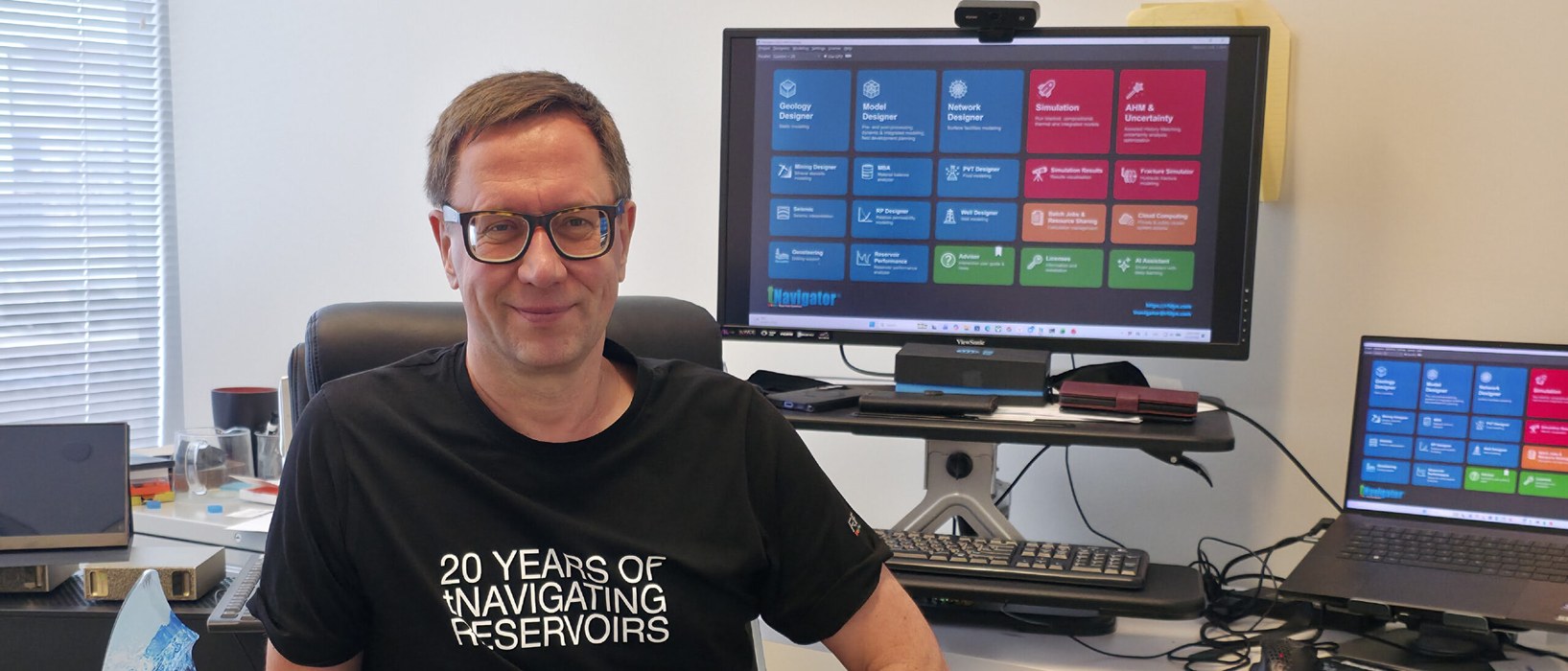
Vasilii Shelkov Took the Long Way Down
A physicist left the collider for the oil field, then spent two decades teaching computers to see underground. The curious part is how little his method changed.

Lindsey Paschal Learned to Market Complexity - Then Took On the Energy Grid
After two decades spent turning specialist software into clear commercial stories, the former teacher and SaaS growth leader has arrived at Energy Exemplar - where the product models systems measured in seconds, decades and continents.
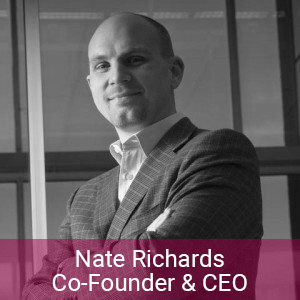
Nate Richards Put the Messy Middle of Energy Sales on Speaking Terms
A childhood programmer found his durable business in the least glamorous corner of competitive energy: the handoffs, spreadsheets and commission files between buyers, brokers and suppliers.

Christopher Kemper Built a Clean-Energy Company. Now He’s Sharing the Scar Tissue.
From baseball cards at eight to billions in clean-energy financing, Palmetto’s founder has spent 15 years turning climate conviction into infrastructure - and keeping unusually candid notes on the cost.

Seyed Madaeni
Seyed Madaeni is the co-founder and CEO of Verse, a San Francisco energy-software company that uses AI to help large enterprises and AI data centers buy, plan, and dispatch clean power. A systems engineer with a PhD from Ohio State, he spent a decade building grid-scale market software at PG&E, SolarCity, Tesla, AMS, and Fluence before starting Verse, which raised a $54M Series B led by Bessemer in June 2026 with backing from NVIDIA and GV.

Shwan Lamei
Shwan Lamei is co-founder and CEO of Emulate Energy, a Lund- and Boston-based software company that turns everyday household devices - heat pumps, EV chargers, home batteries, solar inverters - into a coordinated 'virtual battery' that utilities can dispatch on flexibility and balancing markets. Trained as an industrial engineer at Lund University, he spent 15 years in industrial B2B sales and corporate development at SWEP and Dover before starting Emulate in 2020 with a childhood friend whose MIT postdoctoral research became the technical seed of the company. In April 2025 Emulate closed a EUR 5M Series A led by Helen Ventures to scale its DER orchestration platform across Scandinavia, the DACH region and the United States.

Rahul Kar
Rahul Kar is the founder and CEO of Hammerhead AI, a Redwood City startup that uses reinforcement-learning control agents to squeeze stranded power out of AI data centers. After helping build and scale AutoGrid - the distributed-energy software pioneer acquired by Schneider Electric - Kar launched Hammerhead in November 2025 with a $10M seed round led by Buoyant Ventures. His thesis is blunt: the real bottleneck for AI is not chips or models, it is power, and most data centers run at 30-50% of their allocated capacity. Hammerhead's ORCA platform orchestrates power, cooling, and compute in real time to unlock roughly 30% more usable capacity without touching the grid.

Bryan Bennett
Bryan Bennett is the CEO and founder of Cortex (formerly Cortex Building Intelligence, now Cortex Sustainability Intelligence), a New York-based software company that uses machine learning to cut energy use, costs, and carbon emissions in commercial buildings. Raised in a family that worked commercial real estate for four decades and trained as a management consultant advising utilities on smart-grid technology, Bennett built Cortex around a simple observation: buildings generate thousands of data points every minute, and almost no one was turning that data into action. His software-only platform now optimizes more than 50 million square feet, including the Empire State Building.