electrochemistry
(10)
Ecolectro Is Trying to Make Green Hydrogen Cheap by Removing the Expensive Parts
The Cornell spinout spent a decade turning stubborn polymer chemistry into an industrial machine. Its wager is simple: green hydrogen gets cheaper when the stack stops shopping for precious metals.

1s1 Energy
1s1 Energy is a materials-science company making green hydrogen cheaper by rethinking the guts of the electrolyzer. Instead of the fluorinated (PFAS) membranes the industry has leaned on for decades, 1s1 builds boron-based proton-exchange membranes and electrochemical components that its partners report can produce a kilogram of hydrogen using roughly 70% of the energy of incumbent devices - already hitting efficiency targets the U.S. Department of Energy set for 2031. Founded in 2019 and run out of Portola Valley, California with labs in Lisbon and Campinas, Brazil, the company sells core components to electrolyzer and fuel-cell makers and runs pilots with utilities and heavy industry.
Aepnus Technology
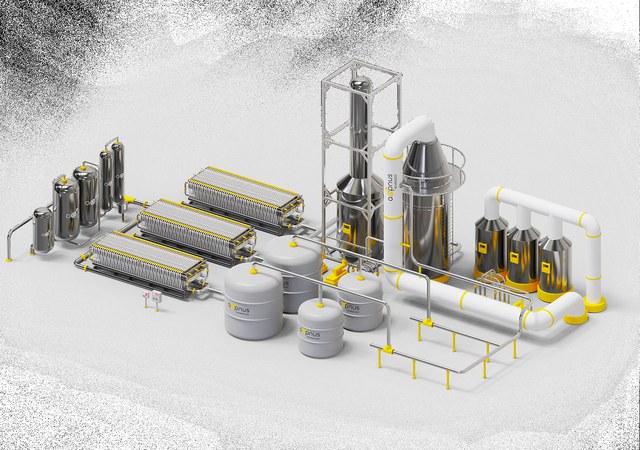
Aepnus Technology is an Emeryville, California cleantech startup that builds ultra-efficient, catalyst-free electrolyzers to turn sodium sulfate - a low-value waste salt produced in enormous volumes by battery-material and critical-mineral plants - back into two industrial staples: caustic soda (sodium hydroxide) and sulfuric acid. By splitting waste salt on-site with renewable electricity, Aepnus lets manufacturers cut disposal costs, reduce emissions, and shorten fragile chemical supply chains, converting a roughly $350-per-tonne waste-handling problem into about $700 of usable reagents per tonne.

BANIQL
BANIQL is a Santa Clara / San Jose-based climate-tech startup building a low-acid, low-energy chemical process to extract nickel and cobalt from laterite ore for lithium-ion batteries. Its patented method runs at atmospheric pressure and lower temperatures, cutting energy use and CO2 emissions by roughly 80%, lowering costs by about 30% versus conventional high-pressure acid leaching (HPAL), and generating virtually zero waste. Founded in 2021, the company runs R&D and pilot production in the U.S. and ton-scale prototype production in Indonesia, targeting the EV and battery-materials supply chain.

Electroflow Technologies
Electroflow Technologies is a San Bruno, California startup building an electrochemical direct lithium extraction (DLE) process that turns low-grade, dilute North American brines into battery-grade lithium and lithium iron phosphate (LFP) powder. By collapsing a conventional 10-step brine-to-LFP process down to three steps and using lithium-selective electrodes, the company aims to produce LFP cathode material domestically at under $2,500 per metric ton - roughly 40% below current Chinese producers - while using minimal water, chemicals, and electricity.
Solidec
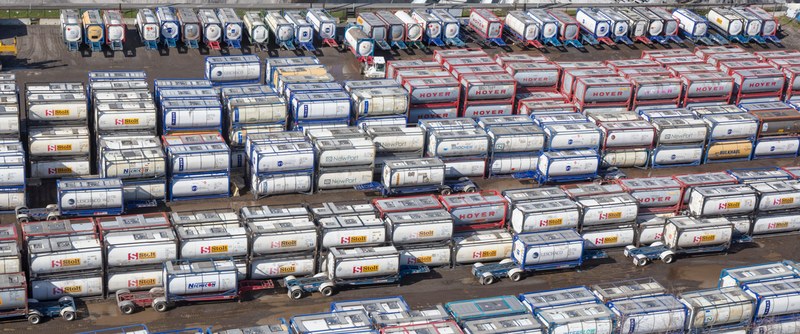
Solidec is a Houston-based climate-tech company spun out of Rice University that builds modular electrolyzers to make essential chemicals - starting with ultra-pure hydrogen peroxide - on-site from just air, water, and electricity. Its porous solid-electrolyte reactor skips the centralized plants, hazardous trucking, and fossil-fuel feedstocks of conventional chemical production, cutting emissions by as much as 90%. Founded in 2023 by Ryan DuChanois, Yang Xia, and Rice professor Haotian Wang, the company raised an oversubscribed $2M pre-seed round and has been backed by Chevron Technology Ventures' Catalyst Program, the Activate Fellowship, and a NASA SBIR award.
Still Bright
Still Bright is a Newark, New Jersey hard-tech company reinventing how the world makes copper. Its patented RACER process (Rapid and Complete Electrochemical Reduction) soaks copper-bearing ore and mine waste in a vanadium-based solution that pulls the metal out in minutes at room temperature and pressure, then uses electricity to regenerate the solution - a trick borrowed from vanadium flow batteries. The result: up to 99% copper recovery with equipment that runs 70-90% cheaper than traditional smelters and produces no toxic emissions. Founded in 2022 by CEO Randy Allen and CTO Jon Vardner, the company raised $18.7M in seed funding in 2025 and is scaling toward pilot production of domestic, clean copper.
Capture6
Capture6 is a climate-tech company that turns the salty waste brine left over from desalination and water treatment into two things the world needs: fresh water and permanently removed atmospheric CO2. Its integrated platform converts brine into a CO2-absorbing solvent in a single step, eliminating costly brine disposal while producing freshwater, green chemicals, and durable carbon removal. Founded in 2021 and based in the San Francisco Bay Area with operations in New Zealand, the public benefit corporation works with water utilities, industry, and governments across California, Western Australia, New Zealand, and South Korea.

Dioxycle
Dioxycle is a French-American climate-tech company building a low-temperature electrolyzer that turns waste CO2, water, and renewable electricity into sustainable ethylene - the world's most-used organic chemical - at a cost competitive with fossil-derived ethylene. Founded in 2021 by electrochemists Sarah Lamaison and David Wakerley, it aims to electrify chemical manufacturing and recycle industrial carbon emissions at gigaton scale.

Twelve
Twelve is a carbon transformation company that uses an electrochemical reactor to turn captured CO2, water, and renewable electricity into the same chemicals and fuels usually drilled out of the ground - including E-Jet, a drop-in sustainable aviation fuel. Founded by Stanford-trained electrochemists, it is building the first industrial-scale CO2 electrolyzer plant in Moses Lake, Washington.