electric-rv
(4)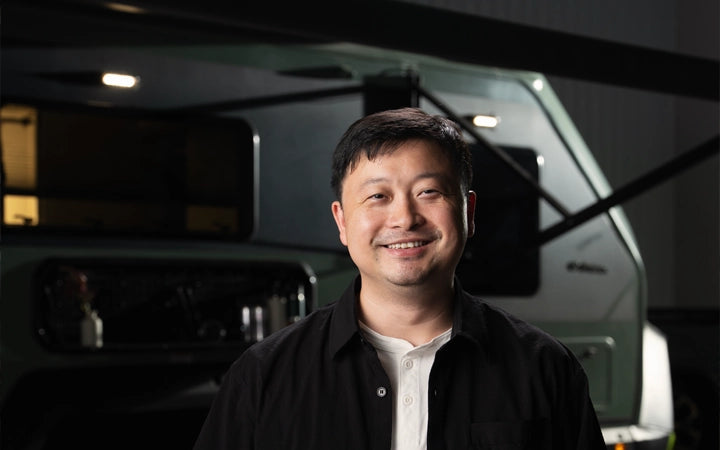
Alex Xiao and the Seven-Month Question
He spent a decade making power portable, then seven months learning why campers still run out of it. Alex Xiao’s second act is an RV company built around a deceptively practical question: what if the trailer could look after its own energy?
Pebble
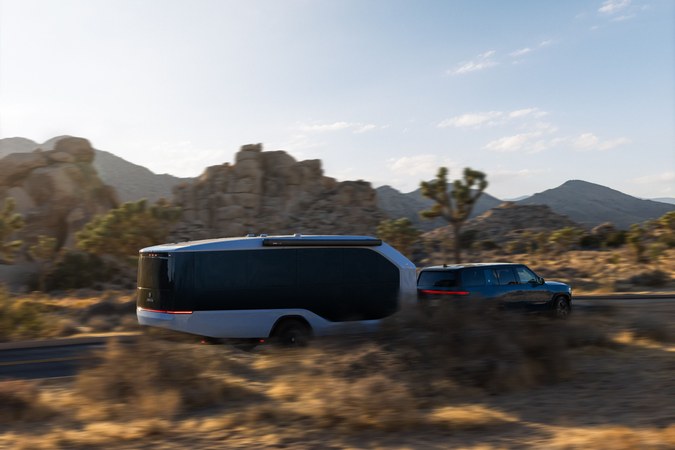
Pebble Mobility is a Fremont, California startup building the Pebble Flow, an all-electric, self-propelling travel trailer designed to make RVing as easy as using an iPhone. Founded by ex-Apple, Tesla, Zoox, Rivian and SpaceX engineers, the company is rethinking the 50-year-old RV playbook around electrification, automation, and off-grid living.

Jim Ritchie
Jim Ritchie is the CEO and co-founder of AEONrv, a Reno, Nevada-based company building high-tech, all-season, electric-cabin recreational vehicles on Ford Transit platforms. A Silicon Valley veteran with 30+ years in technology, Jim started AEONrv as a personal project after growing frustrated with the state of existing RV options - he wanted something that could handle ski mountains in winter and desert trails in summer without propane systems or dealer hassles. What began as a one-off custom build evolved into Nevada's 2025 Manufacturing Company of the Year, with 100+ vehicles delivered, 70+ employees, and plans to build the world's most automated RV manufacturing plant.

Bingrui Yang
Bingrui Yang is the Founder and CEO of Pebble, a Fremont-based startup building the Pebble Flow - an all-electric, semi-autonomous travel trailer that raised $13.6M in Series A funding led by Lightspeed Venture Partners. A veteran hardware engineer with roughly nine years at Apple leading iPhone development, followed by stints at Zoox (Director of Advanced Hardware Engineering) and Cruise (Head of AV Hardware Systems), Yang founded Pebble in 2022 after a pandemic-era RV trip convinced him the category needed a complete reinvention. His mission: make RVing as intuitive as using an iPhone. The Pebble Flow - a 25-foot, 45 kWh battery-powered trailer with Magic Hitch autonomous attachment, NVIDIA DRIVE Orin-powered automation, and Scandinavian-minimal interiors - earned a spot on TIME Magazine's Best Inventions of 2024 list and began delivering to its first customers in early 2025.