domestic-manufacturing
(8)
Phoenix Tailings Found a $1 Billion Business Hiding in Mining's Trash
The Massachusetts startup began with buckets of mine waste in a backyard. Seven years later, it has commercial metal shipments, a strategic trading partner, and a conditional $500 million government loan - but the real test is whether a tiny refinery can become industrial infrastructure on schedule.
Accelevation Bet $50 Million That the AI Boom Needs a Factory Floor
The Ohio manufacturer survived a shutdown-era order collapse, found a wedge in polycarbonate panels and built its way into power, steel and field installation. Its real product is not a door or a cable - it is fewer handoffs on a data-center schedule.
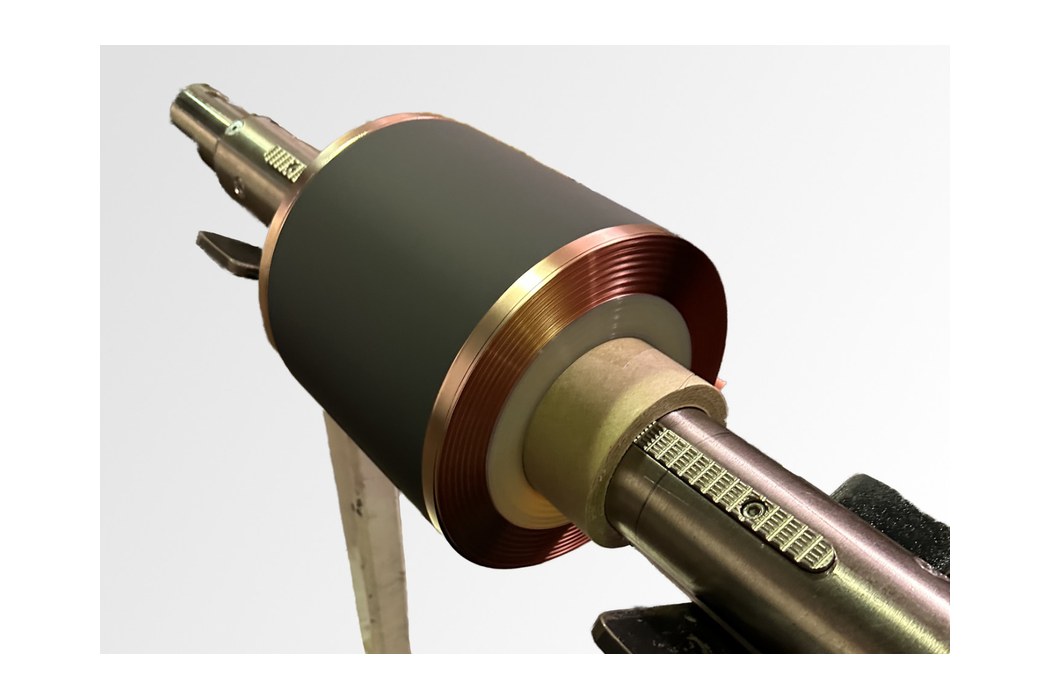
The Battery Startup Betting That the Next Breakthrough Isn't Chemistry - It's the Coating Machine
Ateios ripped the solvents and forever chemicals out of battery-making and replaced the oven with a flash of light. The result coats three times faster - and Kodak, a Nobel laureate, and a Fortune 100 electronics giant have all shown up to look.
Zekelman Industries
Most steel companies stop at the loading dock. Zekelman follows the material into warehouses, job sites and even finished apartments - a 149-year industrial lineage betting that control of the chain can make American construction faster and more predictable.

Duranium
Duranium is a Y Combinator (S25) advanced-materials company reshoring U.S. production of critical metals - titanium, magnesium, aluminum, zirconium and hafnium. It modernizes carbochlorination metallurgy with a novel reactor that recirculates CO and chlorine streams back into feedstock and spins off a saleable co-product (bleaching agents/hypochlorite), aiming to match Chinese-level pricing without subsidies while eliminating direct emissions. Founded in 2025 by CEO Brenden Prins-McKinney and CTO Berkley Noble, the company targets a pilot facility by June 2026 and roughly 12% of the U.S. magnesium market by 2029.

Electroflow Technologies
Electroflow Technologies is a San Bruno, California startup building an electrochemical direct lithium extraction (DLE) process that turns low-grade, dilute North American brines into battery-grade lithium and lithium iron phosphate (LFP) powder. By collapsing a conventional 10-step brine-to-LFP process down to three steps and using lithium-selective electrodes, the company aims to produce LFP cathode material domestically at under $2,500 per metric ton - roughly 40% below current Chinese producers - while using minimal water, chemicals, and electricity.
Tidal Metals
Tidal Metals is a Trenton/Hamilton, New Jersey deep-tech company that extracts primary magnesium metal from seawater and desalination brine using nothing but renewable electricity and physical processes - no ore mining, no carbon emissions, and no waste stream. Founded by three plasma-physics PhDs who met at the Princeton Plasma Physics Laboratory, the company aims to rebuild a domestic U.S. magnesium supply chain currently dominated by China, serving aerospace, defense, and next-generation automotive manufacturing.

Magrathea
Magrathea is an Oakland, California clean-tech company rebuilding American magnesium production. Using a next-generation electrolytic process, it makes magnesium metal from seawater and brines with near-zero carbon emissions, aiming to break the West's dependence on Chinese supply for a metal critical to aerospace, automotive, and defense.