digital-divide
(7)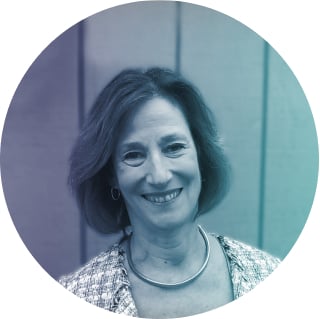
Sally Hudson Maps the Money Beneath the Fiber
At VCTI, Sally Hudson translates the hidden arithmetic of broadband into a practical question: where should the next mile go, and what will it really cost?
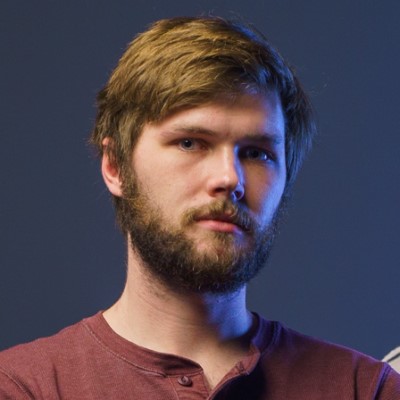
Danny Gardner Put Wi-Fi Where the Wires Run Out
A student project, a solar panel and a stubborn question became Mesh++. Danny Gardner’s routers travel lightly because the places that need a signal rarely come with convenient walls, wires or outlets.
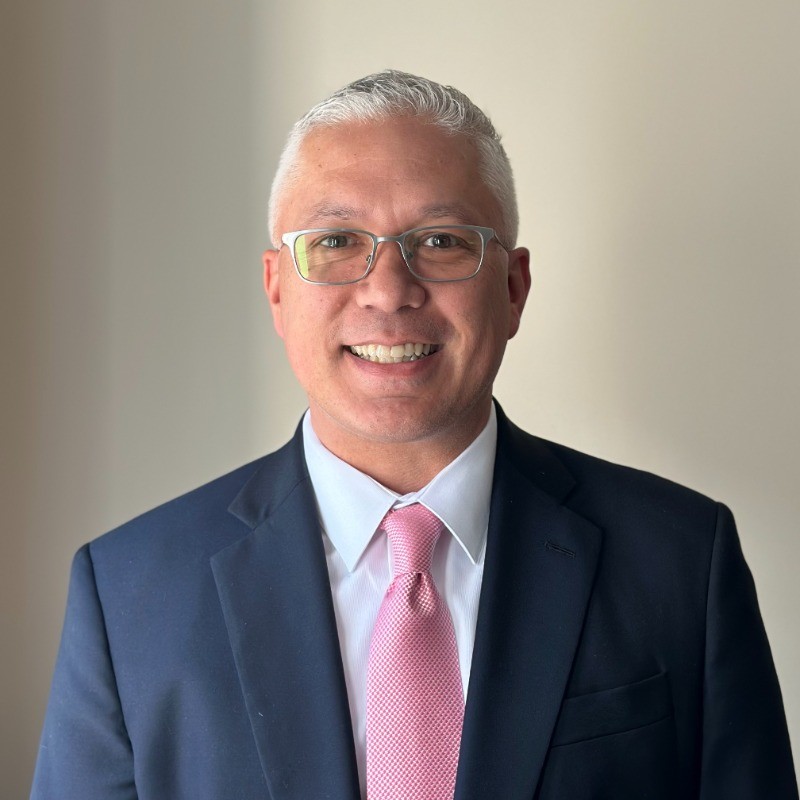
Sam Enoka Is Putting the Cloud Where the Current Already Runs
Raised in North Pole and seasoned in finance and electricity markets, the Greensparc founder has a practical wager: remote communities should host the computing their power can support.
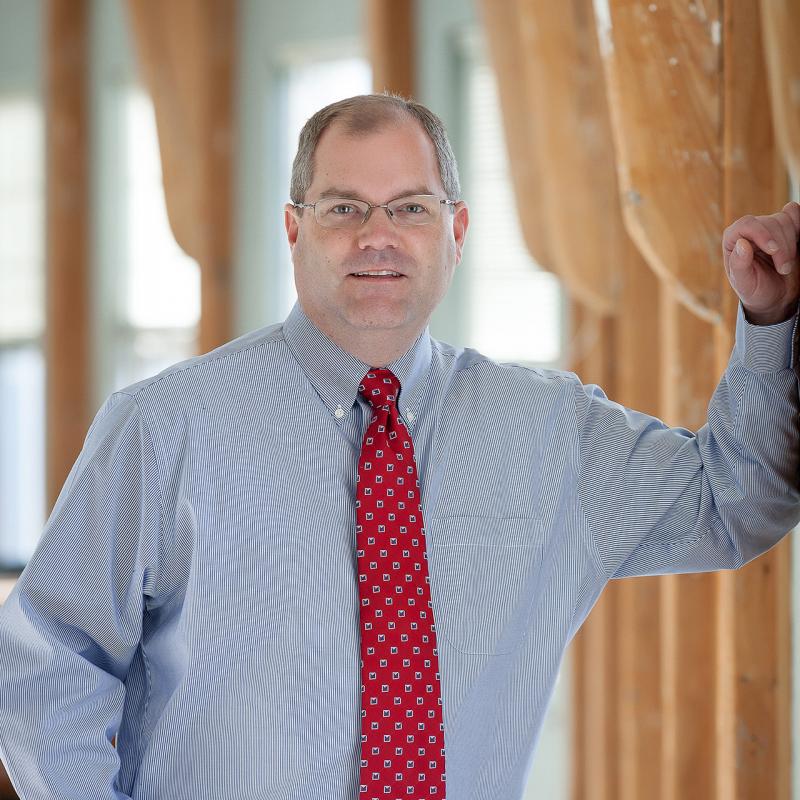
Jim McKenna Bet Maine's Last Mile Could Travel Through the Air
A former nuclear-submarine officer built a Maine internet company around one stubborn engineering belief: fiber should carry the distance, and wireless should finish the trip.
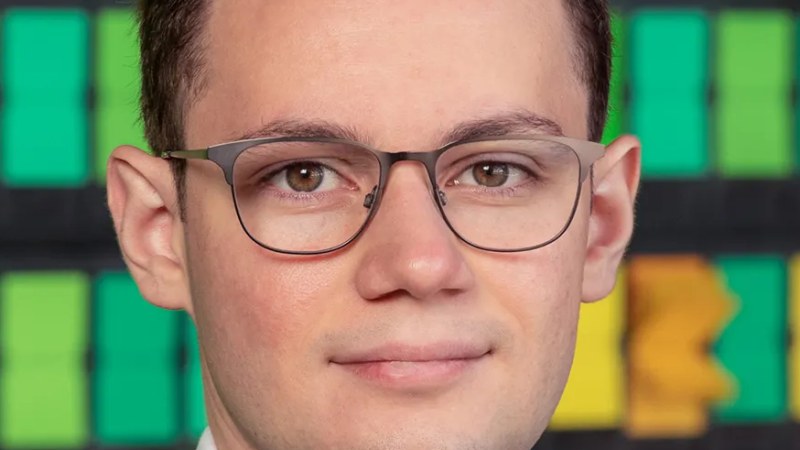
Abdulhamid Haidar
Abdulhamid Haidar is the founder and CEO of Darsel, a nonprofit that teaches K-12 math over text messages. Instead of apps and video that assume reliable Wi-Fi, Darsel runs entirely on WhatsApp, Facebook Messenger and SMS, using AI-powered adaptive algorithms to tutor students in Jordan, India and Nigeria. Built during the 2020 COVID lockdown by a Syrian-American who grew up in a family of teachers, Darsel has had more than 120,000 students answer over 170 million math questions. Haidar holds degrees from MIT, Harvard Kennedy School and Stanford's Graduate School of Business, and previously spent three years at McKinsey. His goal: meaningfully reach 100 million students by 2030.
Derek Ting
Derek Ting is the co-founder and CEO of TextNow, the Waterloo-based company he started in 2009 at age 19 with classmate Jon Lerner while studying computer engineering at the University of Waterloo. What began as a scrappy solution to outrageous carrier text messaging fees has grown into the only U.S. mobile provider offering unlimited talk, text, and free essential data on a nationwide 5G network. The TextNow app has been downloaded more than 200 million times worldwide, making Derek one of the most consequential quiet disruptors in American telecommunications - building a profitable, venture-light company that serves millions of users who can't afford traditional phone service.

Jase Wilson
Jase Wilson grew up in rural Missouri, earned a Master of City Planning from MIT, and has spent two decades trying to wire America together. After helping land Google Fiber's first network in Kansas City, founding and ultimately losing Neighborly - a civic fintech built on municipal bonds - he pivoted to Ready.net in 2019. Now, as founder and CEO, he runs a Y Combinator-backed vertical SaaS platform that helps state broadband offices manage billions in federal BEAD grants and track sub-grantee performance, with $14.6M in total funding and a team of 62.