denver-startups
(7)
The Software Bet Hiding Behind the Portable Toilet
ServiceCore turned the least glamorous corner of field service into a sharp vertical-software play. The pitch is simple: route every truck, track every unit and turn a morning of billing into five minutes.
ALLCITY's $25 Million Bet: Local Sports Fans Still Want a Room of Their Own
The Denver company built a five-city sports network without buying game rights. Its real product is a daily habit - and the business gets interesting when that habit is strong enough to sell ads, shirts, memberships, and a seat at the watch party.
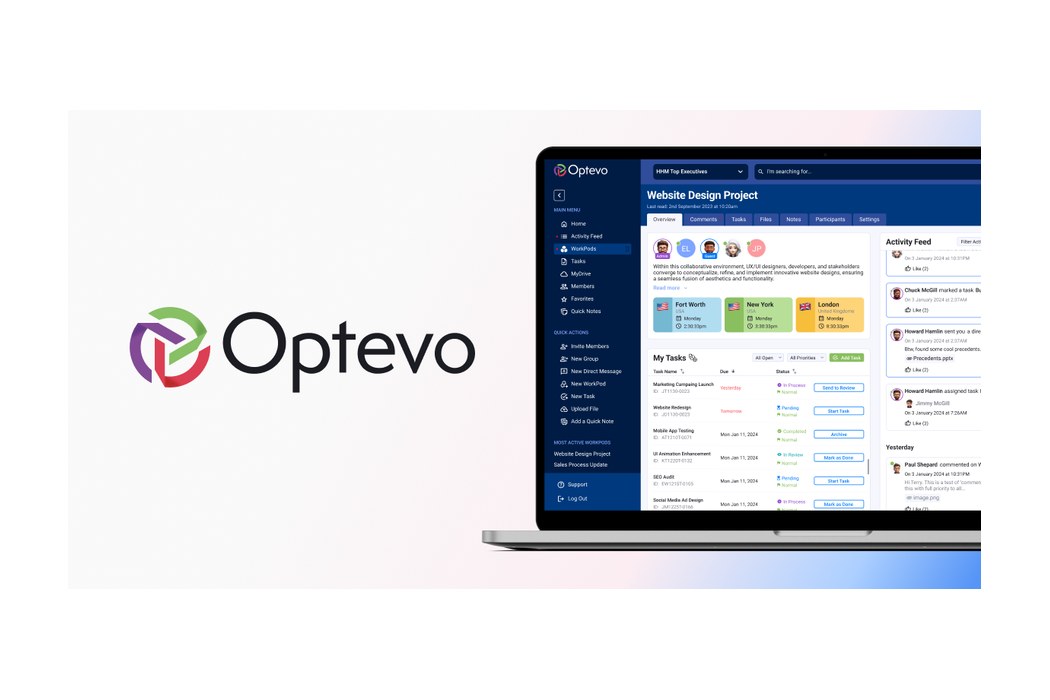
Optevo Is Betting Your Team Wants One Workspace - Not Twelve Tabs
The Denver software company wants to collapse chat, tasks, files, notes and AI into one calmer place. The hard part is persuading teams that another workspace is the cure for too many workspaces.
SonderMind Raised $183 Million to Make Therapy Easier. The Hard Part Was Insurance.
The Denver company turned a founder’s bad therapist search into a national care network. Its advantage is the same complicated machinery that can still frustrate patients: matching, credentialing, claims and the stubborn arithmetic of insurance.

Wildwood Ventures
Wildwood Ventures is betting that the next important consumer technologies will help people live more fully - then putting an operator bench beside founders to help build them.
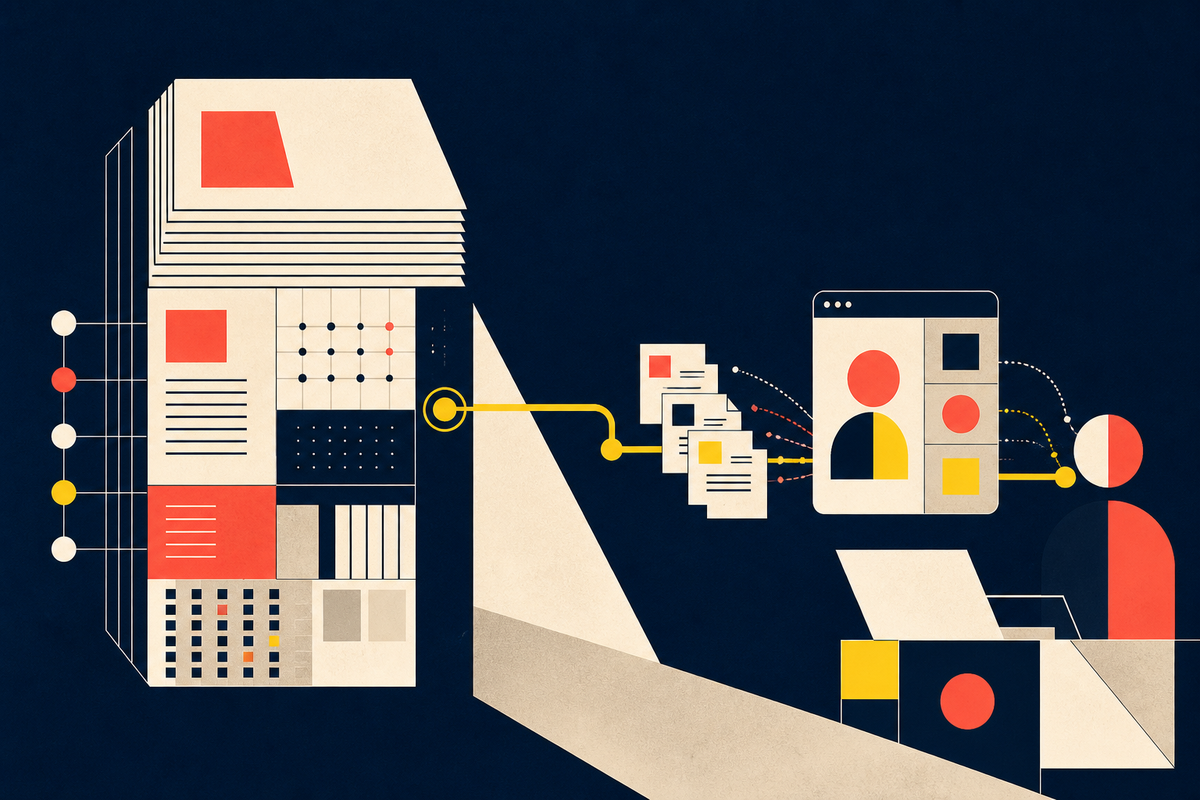
MadCap and Spekit Put Enterprise Knowledge on the Clock
Two Denver software companies are attacking the same expensive problem from opposite ends: MadCap prepares governed content for machines, while Spekit puts approved answers inside the work itself.
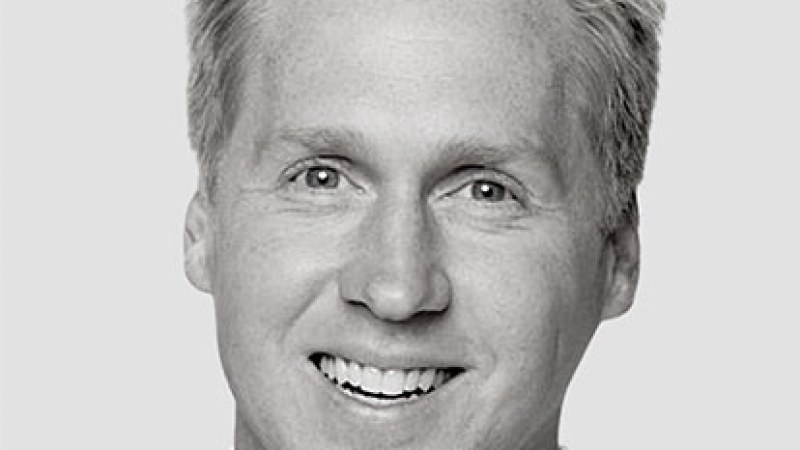
William Foiles
William Foiles is the co-founder and CEO of Project Canary, a Denver climate-tech company that builds high-fidelity sensors and an enterprise data platform to measure, verify, and report methane emissions across the oil and gas value chain. A CFA charterholder with finance roots at Goldman Sachs and a stack of Stanford degrees, Foiles bet that the fastest way to fight climate change was not protest but precision - measuring the invisible 25% of warming that comes from methane so operators can actually fix it.