database-engineering
(9)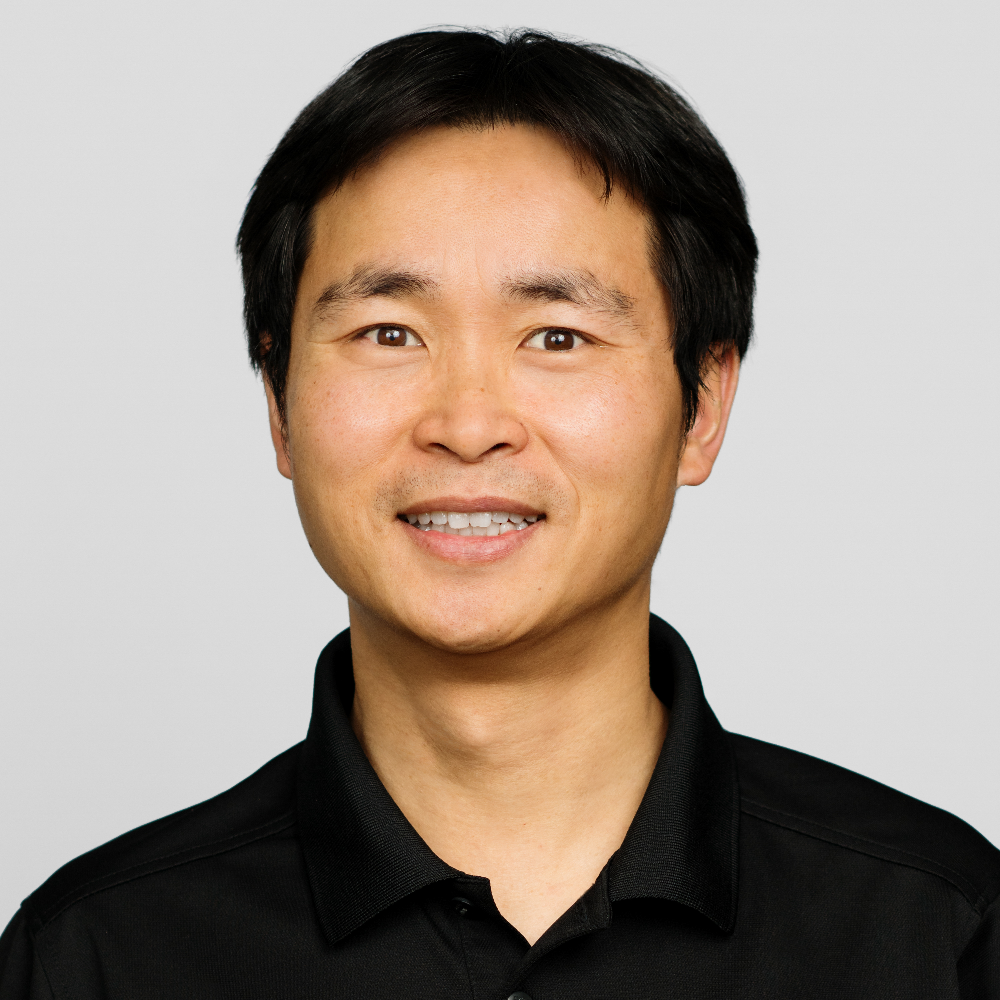
Yu Xu and the five-year wait for a faster answer
Before TigerGraph’s public launch, Yu Xu spent five years building a database designed to follow connections at scale. His journey runs from a payroll system in Hunan to Twitter, TigerGraph and a new chapter at Databricks.
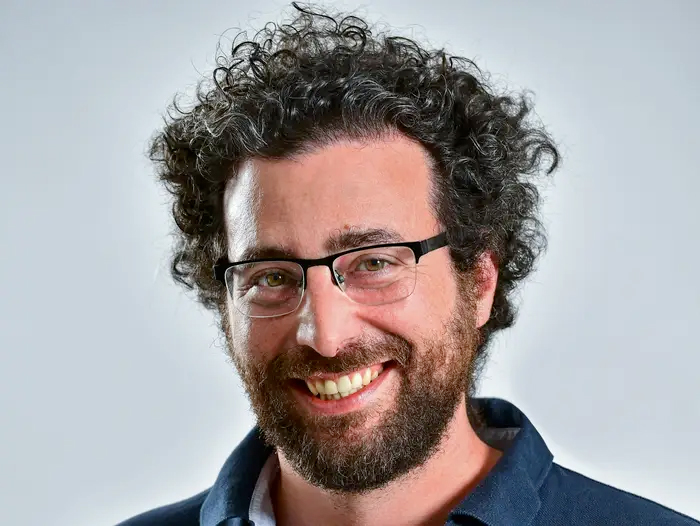
Eldad Farkash and the Price of a Second
From Sisense to Firebolt, Eldad Farkash has kept returning to the gap between having data and getting an answer. His career is a study in what changes when the waiting ends.
Anshu Avinash and the answer at the back of the book
A childhood pleasure in checking a maths answer runs through Anshu Avinash’s work at DevRev. His path from databases to AI search now includes a second pursuit: writing about what happens when machines can answer, but people still have to understand.

Norman Kutemperor Kept Rebuilding the Same Company for the Next Computer Age
For more than four decades, the Michigan technologist has steered Scientel from supply-chain software to big-data databases and private AI systems. His career is a study in refusing to let a durable company become a museum piece.
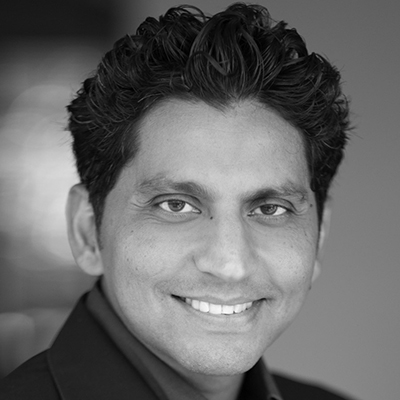
Alok Pareek Has Spent a Career Listening to Data Move
From five-o'clock support calls at Oracle to Striim's real-time pipelines, Pareek has followed one durable idea: useful information often begins with the change that just happened.

Paul Dix Put Time in a Bottle - Then Rebuilt the Bottle
A failed monitoring product left Paul Dix with five weeks, a stubborn hunch and the beginnings of InfluxDB. Thirteen years later, his career is a study in the useful art of rebuilding before comfort hardens into doctrine.

Alexey Milovidov and the Database That Refused to Wait
He started with a profiler annoyance and spent the next 17 years turning impatience into infrastructure. ClickHouse is now a global company, but its CTO still thinks like the boy who wanted the computer to draw one more circle.
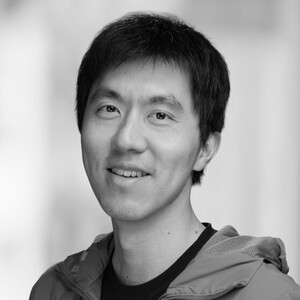
Reynold Xin Keeps Making the Complicated Feel Inevitable
The Databricks co-founder helped give big data a humane interface. Now he is returning to a problem his adviser once called solved - and finding it wonderfully unfinished.
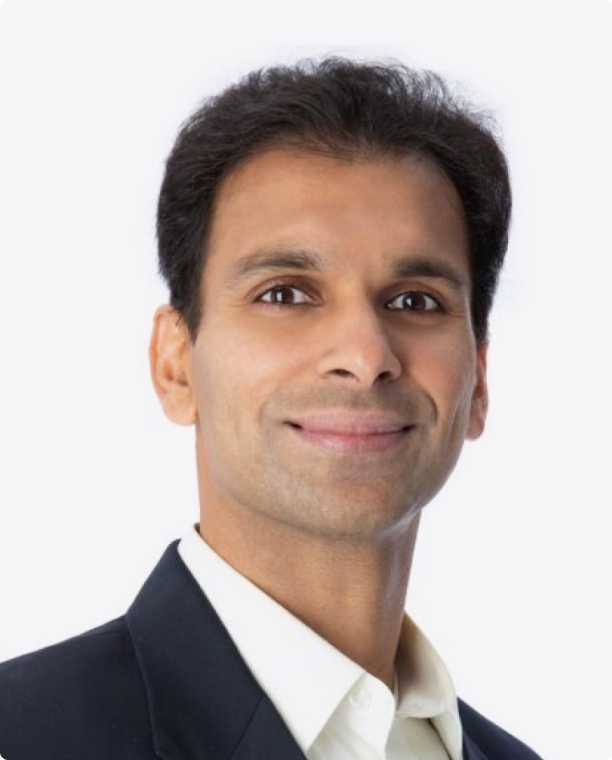
Karthik Ranganathan Bet the Cloud Would Need a Database That Refused to Blink
He helped name Cassandra, watched Facebook outrun his early growth estimate, and then spent a decade turning those lessons into YugabyteDB. Now Karthik Ranganathan is asking the same old question in a new arena: what happens when the infrastructure must remember, scale and stay awake?